
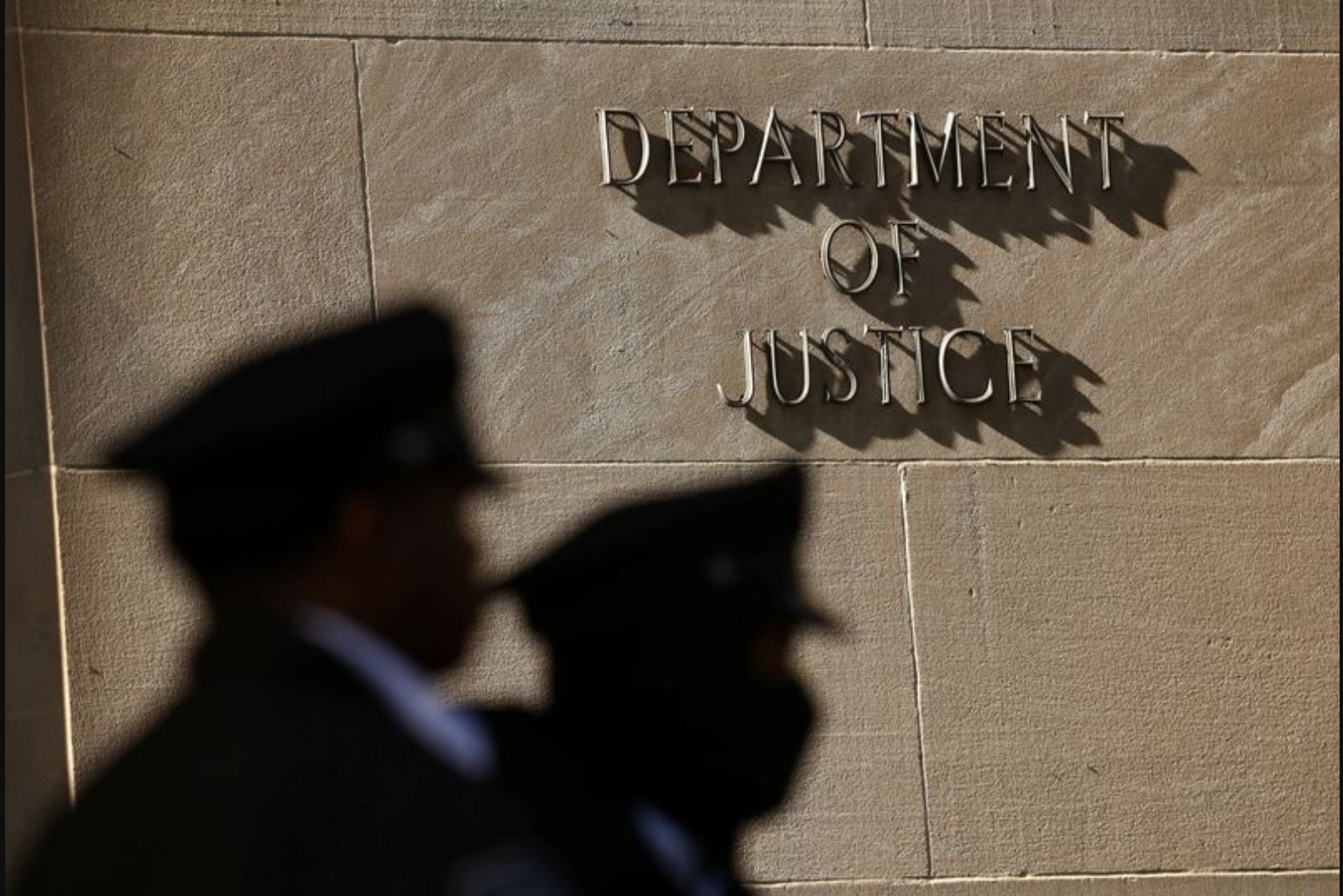
The Justice Department has shed thousands of employees across some of its most prominent law-enforcement agencies even as the administration pledges a harder line on crime, according to department records obtained under the Freedom of Information Act. The paperwork gives a granular view of a personnel reduction that has affected units charged with counterterrorism, drug enforcement, gun-related investigations and civil rights work.
Scope of cuts
The department-wide figures show a substantial contraction in headcount. Across top enforcement components, the total equals more than 4,000 fewer employees. The Federal Bureau of Investigation has lost more than 7% of its workforce since the government’s 2024 fiscal year - roughly 2,600 positions gone. The Drug Enforcement Administration’s staff has fallen by about 6%, while the Bureau of Alcohol, Tobacco, Firearms and Explosives registered a roughly 14% decline.
Other parts of the department contracted even more sharply. The National Security Division - the unit that handles intelligence, terrorism and cases involving espionage and sensitive military technology - has seen nearly a 38% reduction in staff. The division’s most recent budget submission to Congress warned of "unprecedented personnel constraints" in units that handle those national-security matters.
Department-wide totals and vacancies
The records provide a snapshot as of early April of both filled and unfilled positions across the Justice Department. Together they indicate the department now employs about 107,000 people, a drop of roughly 11,200 compared with the fiscal year that ended three months before the president began his second term. The personnel reductions reflect a combination of voluntary buyouts, departures and unfilled vacancies. Officials have reported difficulty filling positions, with about 7,000 jobs shown as unfilled in the department records.
Operational effects cited by officials
Interviews with current and former employees, and the records themselves, point to concrete changes in what agencies are able to do day to day. One former senior official in the National Security Division described the practical difference between a unit that can be proactive and entrepreneurial and one forced to be reactive to only the most imminent priorities.
"It’s the difference between being proactive and entrepreneurial or purely reactive to the most obvious imperative of the day," said Adam Hickey, a former senior official in the National Security Division.
Those personnel losses, coupled with an expanded emphasis on immigration enforcement within the administration - an area that received billions of additional dollars in funding - have led some units to pull back from traditional work. Data show federal prosecutions for drug trafficking fell to their lowest level in more than two decades last year, and the pace of such prosecutions has dropped further this year according to a review of federal court dockets.
Prison staffing and other internal strains
The Bureau of Prisons has also experienced significant job losses, shedding more than 2,200 employees - about 6% of its workforce - even as the number of inmates in federal custody has remained largely unchanged. The department’s internal watchdog has described the bureau as being in a "staffing crisis." One prison official, speaking on the condition of anonymity for fear of retaliation, said some guard posts have been left empty and other positions filled by teachers and nurses temporarily reassigned from their regular duties.
Other divisions experienced steep cuts as well: the Civil Rights Division has lost more than half of its staff, and the section responsible for environmental law has shed about a third.
Administration response and personnel policy
A Justice Department spokeswoman, Natalie Baldassarre, defended the personnel changes as the outcome of buyouts last year that she said allowed the department to part ways with employees who "did not want to aggressively and faithfully tackle crime to protect the American people." She also pointed out that the U.S. murder rate has declined to its lowest recent level and asserted that reductions in force have not hindered the department’s ability to address violent crime, a claim she offered without presenting supporting evidence in the records disclosed.
At the same time, the administration has replaced or pushed out many federal prosecutors and agents who were involved in investigations of senior political figures and has brought a series of new cases aimed at those perceived as political adversaries. Acting Attorney General Todd Blanche has publicly stated that the president has both the right and the duty to influence investigations, including those that touch on political opponents.
Perspectives from former officials and policy experts
Critics inside and outside the department have questioned the consistency between the administration’s rhetoric on crime and the reduction in staff at agencies charged with addressing criminal threats. Stacey Young, who leads a group that supports staff leaving the department, said the contrast between words and staffing choices suggests the administration is not backing up its public commitments.
"The administration talks a big game when it comes to crime and terrorism, but the fact that it’s hollowing out agencies tasked with addressing them shows that they don’t stand behind their words," said Stacey Young, a former Justice Department lawyer.
Amy Solomon, a senior fellow at a nonpartisan criminal-justice research organization and a former department official, framed the reductions as a loss of institutional expertise. She said cutting a workforce composed of career public servants with specialized skills is a significant disservice to communities and to the country.
"The department has been filled with career public servants with specialized expertise who have served Republican and Democratic administrations over years or decades and to cut that workforce is a huge disservice to our communities and our country," said Amy Solomon.
What the records show and what they do not
The department records obtained under the Freedom of Information Act offer a detailed accounting of filled and unfilled positions across the Justice Department as of early April, and they make clear where staffing has declined most steeply. They do not, however, provide a direct causal link between the staffing changes and specific operational outcomes beyond the aggregate metrics and external indicators cited by former officials, advocacy groups and the department’s own budget documents.
Officials point to voluntary buyouts and hiring challenges as drivers of the reductions, and the department has reallocated resources to expand immigration enforcement. The records reflect both the scale of workforce reductions and the continuing presence of thousands of unfilled roles within the department.
As agencies adjust to the smaller workforce and shifting priorities, the records underscore the tension between public commitments on crime and the administrative and personnel realities inside the Justice Department.
Key points
- More than 4,000 employees were cut across major Justice Department law-enforcement units; the FBI alone lost about 2,600 positions, a decline of over 7%.
- Some divisions experienced disproportionate reductions: the National Security Division lost nearly 38%, the Civil Rights Division lost more than half, and the ATF lost roughly 14%.
- Operational effects include a steep drop in federal drug-trafficking prosecutions and a Bureau of Prisons staffing crisis that left guard posts empty and required reassignment of other staff; the immigration enforcement arm received significant additional funding.
Risks and uncertainties
- Reduced capacity in national security, drug enforcement and civil rights units raises uncertainty about the government’s ability to sustain previous levels of investigative and prosecutorial activity - this could affect public-safety outcomes and related sectors such as defense and homeland security.
- Persistent unfilled positions - about 7,000 according to department records - create operational strain and may increase reliance on overtime, temporary reassignments or contracted services, with implications for federal payroll and corrections budgets.
- Shifting resources toward immigration enforcement while shrinking other law-enforcement capacities introduces uncertainty about prioritization of cases and long-term effects on criminal justice workloads and markets that provide services to federal law-enforcement agencies.