
Summary
Petro Hurin says the aftermath of the Chornobyl disaster has defined his health and family life for 40 years. Sent into the exclusion zone in June 1986 as one of hundreds of thousands of so-called liquidators, he recalls acute symptoms shortly after beginning work and a medical system that avoided diagnosing radiation sickness. Now 76 and retired in the Cherkasy region, he lives with chronic illnesses he and doctors link to his time at Chornobyl and is engaged in a struggle to obtain a disability pension for liquidators. The personal toll is compounded by the loss of his grandson in the war that began with Russia’s 2022 invasion.
Background and deployment
Hurin was employed by a company that supplied excavators and other construction machinery and was sent into the Chornobyl exclusion zone in June 1986, shortly after the explosion at reactor four on April 26, 1986. He was among the vast number of emergency and cleanup personnel mobilised in the disaster's wake. Of the 40 people his employer dispatched to the zone, Hurin says only five are alive today.
At the time of the accident, the immediate human cost was high: 31 plant workers and firefighters died in the immediate aftermath, mostly from acute radiation sickness. The release of radioactive material spread across much of Europe, and thousands more have since died of radiation-related illnesses such as cancer, though the total long-term death toll and health consequences remain contested.
Work at the site and early symptoms
Hurin describes 12-hour shifts spent operating an excavator to load a dry concrete-and-lead mix onto trucks. The material had been transported to the site by river barge and was used at the reactor to form a massive sarcophagus designed to contain the radiation. He recalls the dust as overwhelming; respirators would become discoloured within a short period.
"The dust was terrible," he said. "You’d work for half an hour in a respirator, and it would end up looking (brown) like an onion."
After four days of this work, Hurin began to experience intense physical problems - headaches, chest pain, bleeding and a metallic taste in his throat. He received treatment from doctors, but after returning to work he rapidly deteriorated, saying he could barely walk and feared he had "a day or two" to live.
When he was taken to hospital, doctors performed blood tests and, Hurin recounts, found no visible blood from finger pricks. Despite these findings, Soviet medical authorities at the time did not permit a formal radiation sickness diagnosis. He was instead diagnosed with vegetative-vascular dystonia, a nerval disorder frequently associated with stress.
Long-term health effects and medical history
Before his deployment, Hurin says he had never taken sick leave. In the months that followed Chornobyl, he spent around seven months moving between hospitals and undergoing treatment, including a blood transfusion. Over the years he reports diagnoses of anaemia - a condition often linked to radiation exposure - along with angina, pancreatitis and a range of other ailments.
By the standards of his compatriots, Hurin notes he has reached an advanced age. The World Health Organization recorded average life expectancy for men in Ukraine at 66 in 2021, a figure affected by the pandemic.
Life now: family, art and benefits fight
Now retired, Hurin and his wife Olha live in Ukraine’s Cherkasy region. Despite ongoing health problems, he continues to play the bayan, a type of accordion, and composes songs and poems. He is actively pursuing access to a special disability pension intended for liquidators of the nuclear accident.
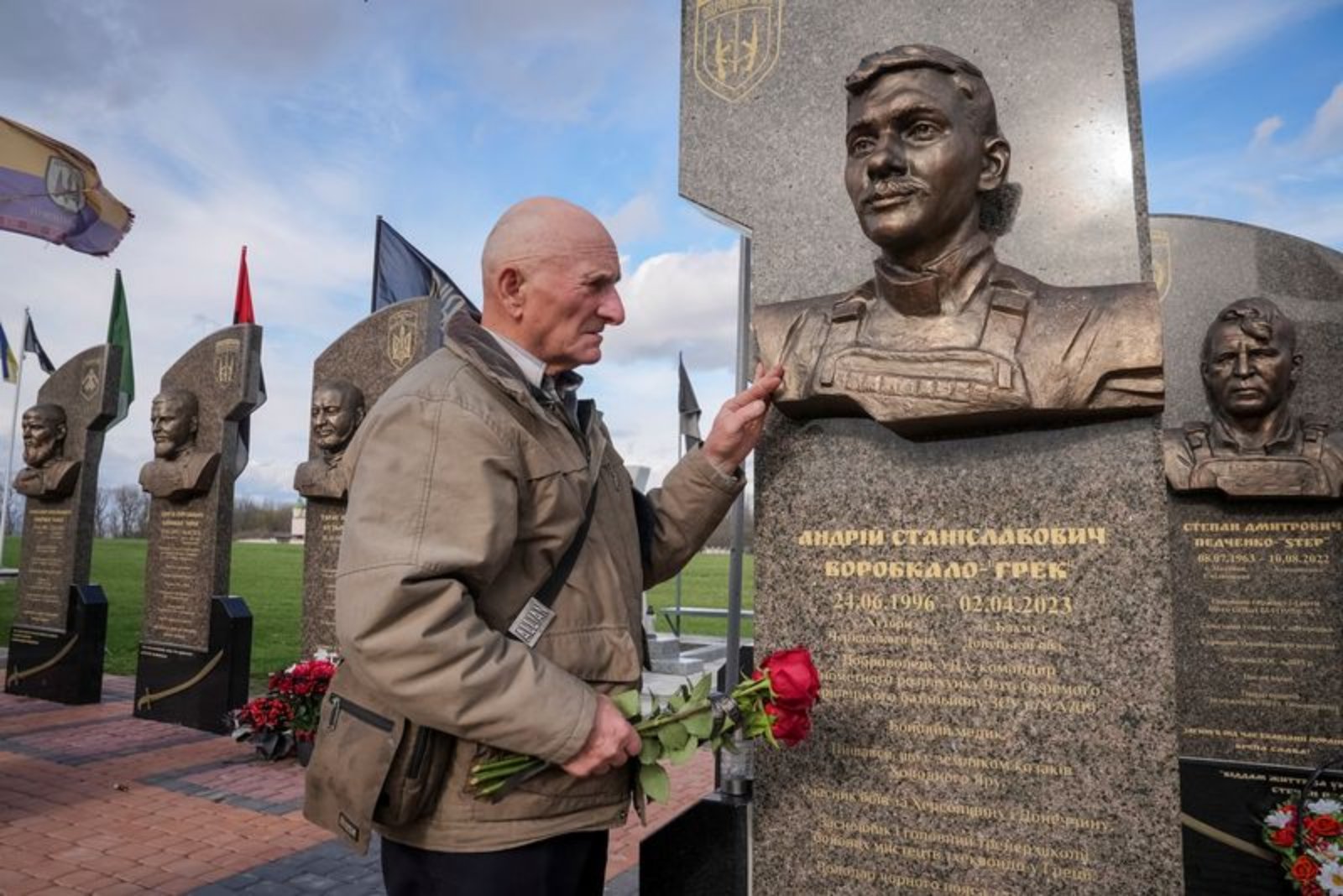
Hurin’s personal history is intertwined with more recent national trauma. Russia’s 2022 invasion of Ukraine has shifted much of his attention and grief. He and his wife regularly visit a memorial in nearby Kholodnyi Yar dedicated to their grandson, Andrii Vorobkalo, who was killed in the war three years ago at the age of 26.
Andrii was raised by Hurin and Olha after their daughter left for work in Europe. He had been working in Greece when the 2022 invasion began; he left his job and returned to defend Ukraine, and later died in combat. The couple say they think of him constantly as they visit his memorial stone.
Reflections and ongoing issues
Hurin summarises his and his peers’ post-Chornobyl condition succinctly: "Not a single Chornobyl person is in good health," he says. "It’s death by a thousand cuts." His account underlines two persistent issues from the 1986 catastrophe: a generation of cleanup workers facing chronic health problems, and the difficulty many of them have had obtaining official recognition and support for radiation-linked ailments.
The suffering described by Hurin and the unresolved debates about long-term health effects persist alongside Ukraine’s more recent conflicts, which have added fresh layers of loss for families of liquidators and the wider population.
Key takeaways
- Direct account from a 76-year-old liquidator details immediate and chronic health problems linked to work at Chornobyl and the lack of formal Soviet diagnoses at the time.
- Hurin reports that of 40 colleagues sent to Chornobyl by his employer, only five survive, and he asserts that no liquidator is in good health.
- The human consequences of the 1986 disaster continue to intersect with more recent national trauma following the 2022 invasion, including the loss of Hurin’s grandson in the war.
Risks and uncertainties
- Uncertainty over long-term health outcomes and the contested total death toll from radiation exposure - this has implications for healthcare providers and public health planning.
- Challenges in securing disability recognition and pensions for liquidators, which affect social support systems and government benefit programs.
- Compounded societal strain from ongoing conflict in Ukraine, which intersects with veteran and medical services and may affect resource allocation across public sectors.
Conclusion
Hurin’s story is both personal testimony and a representation of broader unresolved consequences from the Chornobyl disaster. It highlights immediate medical distress experienced by liquidators, long-term chronic illness, administrative obstacles to recognition and compensation, and the additional sorrow brought by recent war losses. His account offers a stark reminder that the effects of large-scale technological disasters can last decades and continue to shape lives in conjunction with subsequent national crises.