
European logistics operators are set to record improved first-quarter profitability as trade and transport have become more complicated in the wake of the U.S.-Israeli war with Iran. The turbulence has supported pricing and yields for companies including DHL, DSV and Kuehne+Nagel, though analysts warn that the conflict has introduced risks that could weigh on demand further into the year.
Jefferies analysts, in a client note, reported that management at Kuehne+Nagel do not anticipate additional yield pressure in either their sea or air businesses for the first quarter. The brokerage said that observation reinforced its view that earnings have stabilised and are positioned to strengthen.
Jefferies also highlighted a recurring pattern seen during periods of geopolitical stress: a sea-to-air spillover effect. That dynamic tends to benefit firms with strong airfreight capability, where DHL is viewed as structurally advantaged, the brokers added.
Analysts at Bernstein expect airfreight volumes to expand at a high single-digit pace in the quarter, while seafreight volumes are forecast to rise only in the low single digits year on year. Bernstein said seafreight demand has been hampered by difficult comparisons, noting that shippers had front-loaded cargo ahead of U.S. import tariffs scheduled for April 2025.
Market attention is also focused on DSV’s upcoming capital markets day on May 12, where investors and analysts expect the company to present updated medium-term financial targets. Bernstein said the event carries a meaningful potential for upside surprises.
How the Middle East conflict has affected freight markets
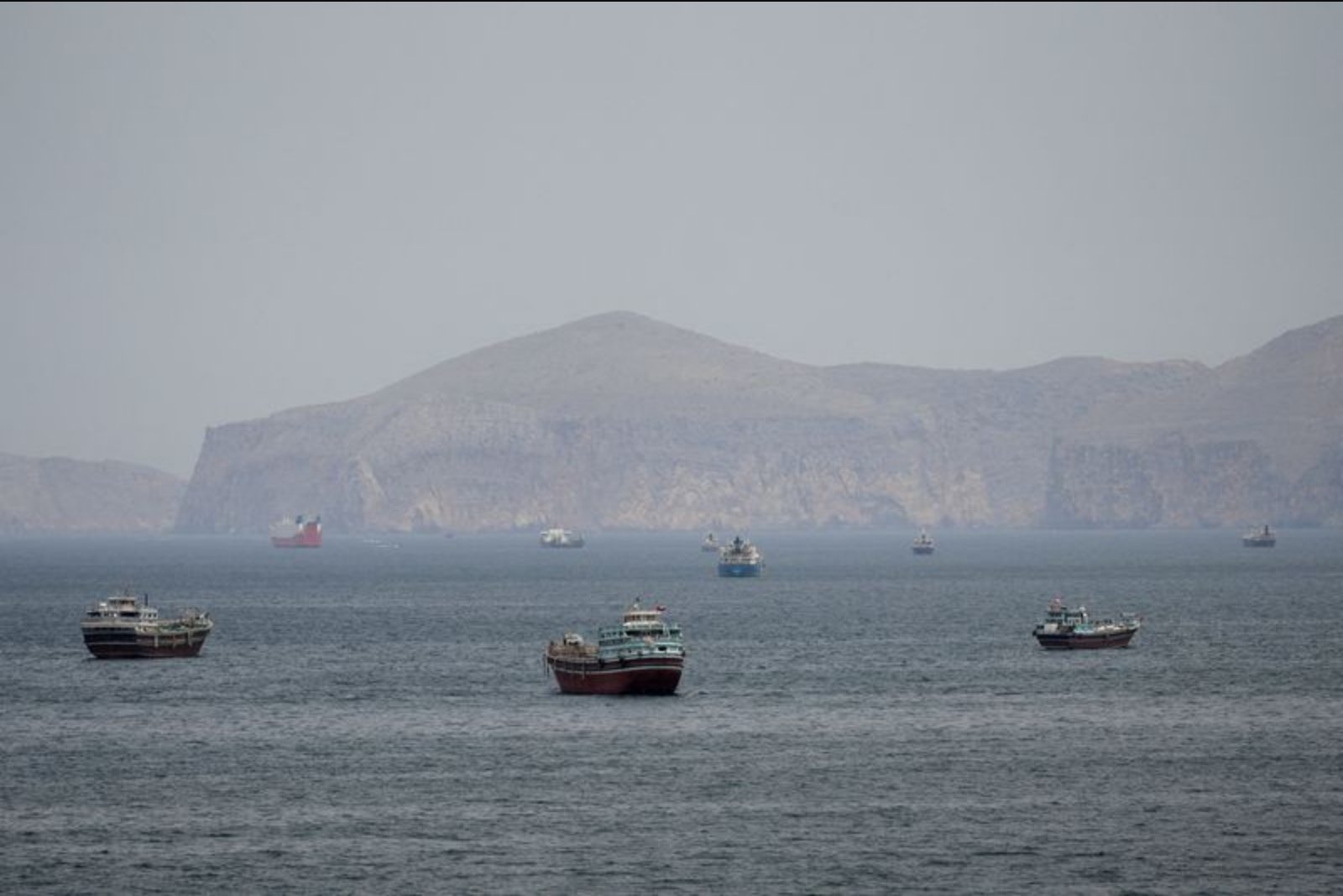
Following a weekend escalation in the Middle East conflict, many vessels have been avoiding passage through the Strait of Hormuz, tightening uncertainty along a major maritime thoroughfare. The pressure on regional transport networks has helped push air cargo rates sharply higher, as demand for airlift has risen against a backdrop of elevated jet fuel costs and tighter capacity caused by the prolonged disruption.
The strain is not limited to the Gulf. Heightened tensions have reinforced risks in the Red Sea and have delayed expectations for a quick resumption of transits via the Suez Canal. ING Research senior economist Rico Luman said that a full resumption of normal traffic is "now pushed back multiple months and perhaps even until the end of the year," a development that should provide short-term support to logistics operators.
Major container lines, including Maersk and Hapag-Lloyd, have been rerouting ships around the Cape of Good Hope since the outbreak of the war. Morningstar analyst Ben Slupecki noted that the longer voyages are keeping freight rates elevated and lifting margins, because higher prices flow quickly through shipping lines’ largely fixed cost structures.
Even in a best-case scenario where the conflict is resolved, analysts do not expect a rapid return to pre-conflict freight market conditions. While freight rates could decline after a peace deal allows traffic to flow again through the Strait of Hormuz, any reduction is likely to be gradual. Luman said that supply chains have already adjusted, congestion has eased in some places, and shippers may continue to use alternative routes and ports, meaning that trading patterns seen before the conflict may not fully return.
Investor questions and analytic tools
Some market participants are weighing whether to buy positions in logistics names exposed to the current pricing environment. One AI-driven stock selection tool referenced in market commentary evaluates individual stocks, including DHLn, against a broad universe of companies using multiple financial metrics to identify attractive risk-reward opportunities. The tool has highlighted winners in other sectors in the past and is promoted as a way to compare stocks across fundamentals, momentum and valuation.
Note: The article reflects analysts' published views on the near-term financial impact of the conflict and on expected volumes and routing changes. It does not project outcomes beyond those views.