
Stock Markets February 20, 2026 10:40 AM

Paramount Says U.S. Antitrust Waiting Period for Warner Bros Offer Has Lapsed

Hart-Scott-Rodino 10-day review ends but Department of Justice retains authority to probe or sue

By Marcus Reed
Share
Twitter Reddit Facebook LinkedIn

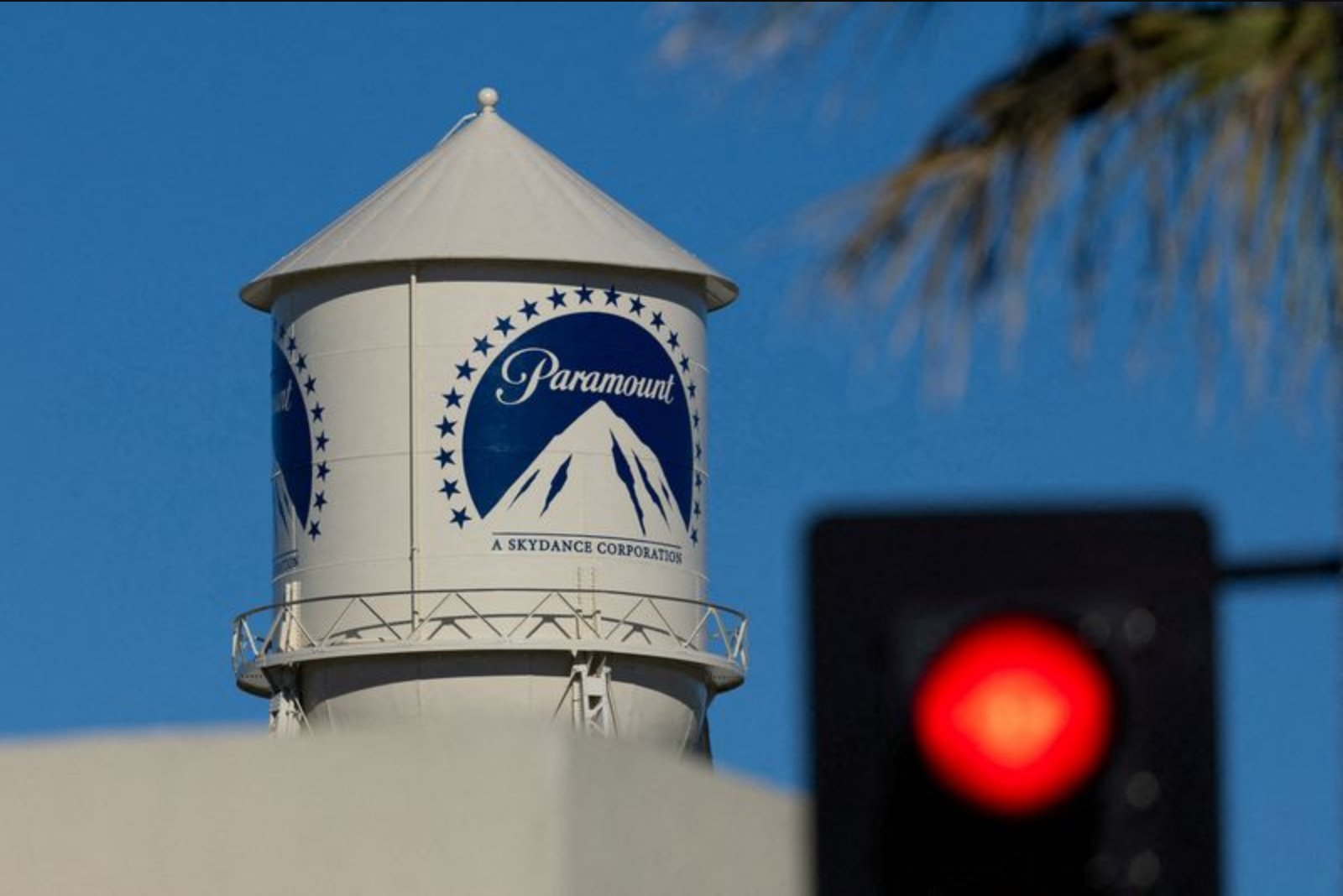
Paramount announced that the 10-day U.S. antitrust waiting period under the Hart-Scott-Rodino Act for its $108.4 billion, all-cash proposal to acquire Warner Bros Discovery ended on February 19. While the statutory waiting period has expired, the U.S. Department of Justice can continue its review, seek additional information, and still pursue litigation to block a transaction. Paramount does not have a signed deal; Warner Bros Discovery has instead reached an agreement with Netflix valued at $82.7 billion, which will face its own regulatory scrutiny in the U.S. and Europe.

Paramount Says U.S. Antitrust Waiting Period for Warner Bros Offer Has Lapsed
Summarize with
ChatGPT Perplexity Claude Grok Gemini

Key Points

  • The 10-day antitrust waiting period under the Hart-Scott-Rodino Act for Paramount's $108.4 billion all-cash offer to acquire Warner Bros Discovery expired on February 19.
  • The U.S. Department of Justice can still investigate the proposed transaction, request more information, and sue to block it even after the statutory waiting period has ended.
  • Paramount does not have a signed agreement with Warner Bros Discovery; Warner Bros Discovery has an agreement with Netflix valuing the assets at $82.7 billion, which will also face regulatory review in the U.S. and Europe.

Paramount said on Friday that the statutorily required U.S. antitrust waiting period for its $108.4 billion all-cash bid to buy Warner Bros Discovery expired on February 19. The company characterized the end of the 10-day waiting period under the Hart-Scott-Rodino Act as a significant procedural milestone that means "there is no statutory impediment in the U.S. to closing Paramount’s proposed acquisition of WBD."

That procedural milestone, however, does not conclude the possibility of U.S. enforcement action. The U.S. Department of Justice retains the authority to continue examining the proposed transaction, to request additional information, and to file suit to prevent the deal from closing. Notably, the DOJ has previously sued to block mergers after the Hart-Scott-Rodino waiting period expired - an example cited is the department's 2023 action to block the proposed JetBlue-Sprint merger months after that statutory window had ended.

Paramount’s announcement also underlined that it has not reached a definitive agreement with Warner Bros Discovery. Warner Bros Discovery has signed a separate agreement with Netflix, under which Netflix has offered $27.75 per share, valuing the studios and streaming assets at $82.7 billion. The Netflix transaction itself will be subject to rigorous review by competition authorities in the United States and Europe, who must assess whether combining Netflix’s global streaming operations with Warner Bros Discovery’s long-established studio assets could reduce competition or limit consumer choice.

The companies involved and the reviewing authorities remain positioned to take additional steps. The expiration of the 10-day Hart-Scott-Rodino waiting period simply means that no further statutory hold is in effect in the U.S.; it does not foreclose extended inquiry or litigation by antitrust enforcers prior to any closing.


Contextual note - The procedural expiration of the HSR waiting period is different from the conclusion of antitrust review. Regulatory scrutiny can continue well beyond the initial statutory window, and enforcers may act at later stages if they determine competitive concerns justify intervention.

Risks

  • Ongoing DOJ review - The Department of Justice can continue investigating the Paramount bid and may seek additional information or file suit, introducing legal uncertainty for media and entertainment deal-making.
  • Regulatory scrutiny for Netflix deal - Netflix’s agreement with Warner Bros Discovery faces intensive review by U.S. and European competition authorities, creating potential obstacles to that transaction.
  • Transaction uncertainty - Because Paramount lacks a definitive agreement with Warner Bros Discovery, outcomes remain contingent on how regulators and counterparties proceed, affecting media sector consolidation plans.

More from Stock Markets

Central Asian State-Owned Infrastructure Groups Eye Hong Kong Listings, Finance Chief Says Sep 6, 2026 MOEX Russia finishes flat as individual stocks diverge at Saturday close Sep 5, 2026 Citi: European TTF May Be Pricing in Too Much Winter and Hormuz Risk Sep 5, 2026 Geneva Delegates Agree Non-Binding Text on Autonomous Weapons After Lengthy Talks Sep 5, 2026 Goldman Raises MSCI Asia Pacific Target, Citing Tech Earnings Strength Sep 5, 2026