
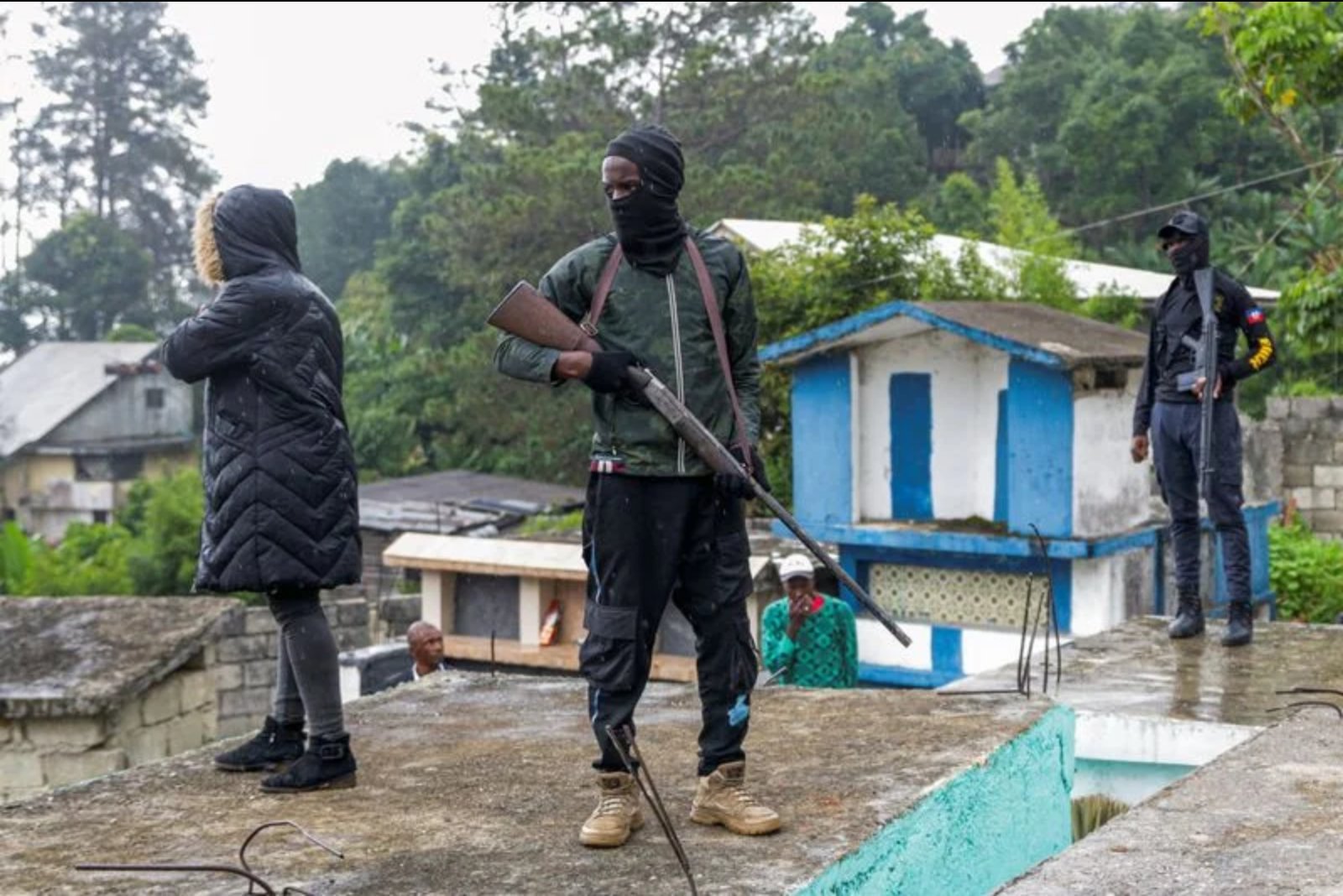
The Global Initiative Against Transnational Organized Crime’s Haiti Observatory reports a growing trend of armed groups extending their operations from Port-au-Prince into rural parts of the country. According to the analysis published on Monday, gangs have adapted tactics more typical of hit-and-run operations - conducting quick strikes that include kidnappings, livestock theft and the erection of roadblocks - while broader security and political attention remains concentrated on the capital.
New operational pattern
The report describes how gangs are organizing in small, highly mobile units that can move between locations. These groups carry out swift raids, harass local communities and alternate between areas they use as sanctuaries and those they target. The analysis emphasizes that this pattern does not simply represent a temporary spillover of urban violence into the countryside but a deliberate change in operational method.
Examples cited
- The Observatory cites the attack on Kenscoff, a mountainous community outside Port-au-Prince, as illustrative of the changing violence. That assault killed dozens of people and included a mass kidnapping, the report says.
- The analysis also points to deteriorating security in Artibonite, a major agricultural region, where armed groups have targeted communities, transport routes and farmland.
Implications for security forces
The report states that Haitian security forces face acute challenges responding to this dispersal of violence. It says the forces lack sufficient personnel, equipment and training to counter agile armed groups operating across mountainous and dispersed terrain. The mobility of the gangs allows them to project influence and disrupt everyday life without aiming to permanently occupy territory.
Broader response recommended
While the report underscores the need to address violent actors, it also argues that a security-only approach will be inadequate. It calls for measures to protect farmers, restore local economies and resolve long-standing land and community disputes. In addition, the analysis recommends initiatives to disarm and reintegrate gang members as part of a broader strategy.
Conclusion
The Observatory’s findings portray a shift in the geography and tactics of organized violence in Haiti, with rural communities and agricultural areas now facing intensified disruption. The report frames the issue as both a security and socioeconomic challenge, requiring coordinated action beyond conventional policing.