
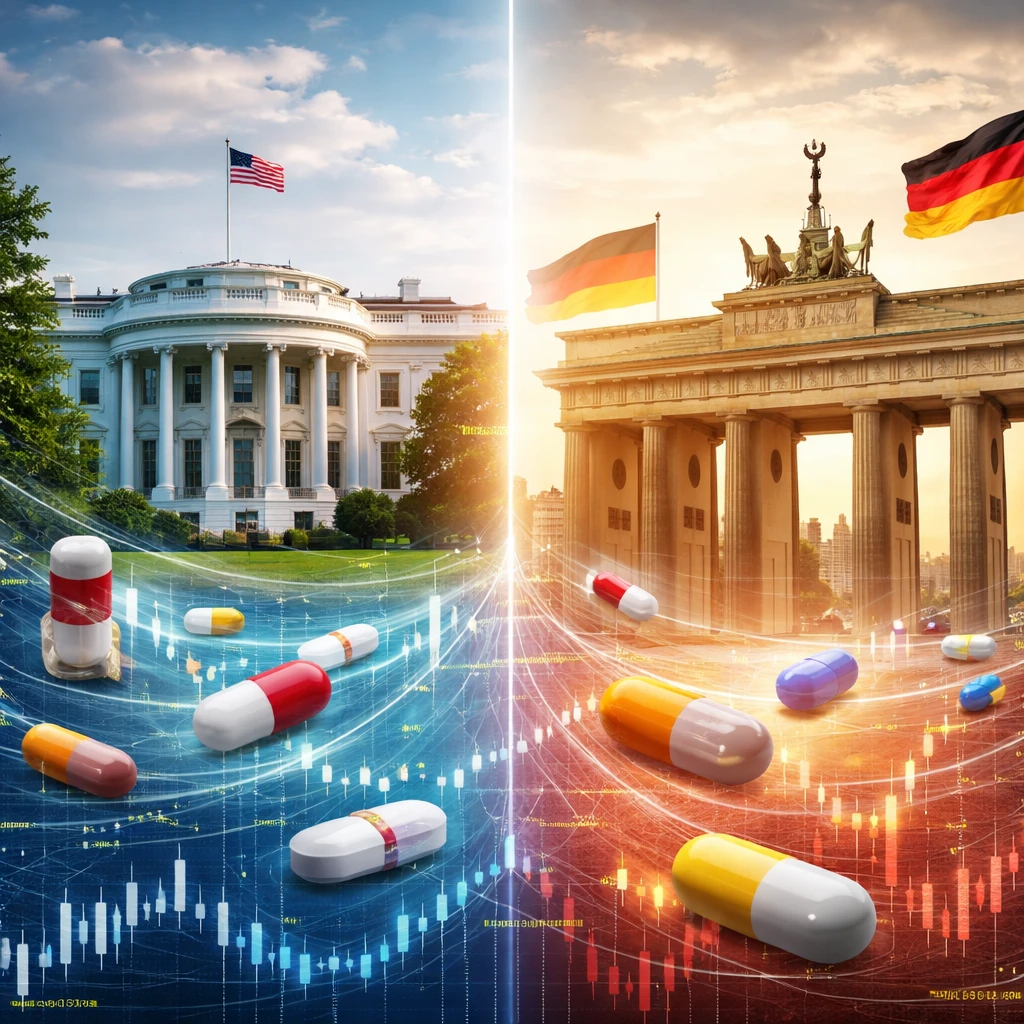
The United States has formally initiated a trade investigation into Germany's legislative efforts to curtail spending on pharmaceutical development. U.S. Trade Representative Jamieson Greer announced the probe on Thursday, stating that the inquiry examines whether the German legislation constitutes discriminatory practices or adversely affects U.S. commerce.
Greer confirmed that the investigation proceeds under Section 301 of the Trade Act of 1974. He noted in an official statement that the action follows months of ongoing talks with German authorities. These diplomatic efforts were undertaken in an attempt to resolve the dispute without resorting to formal trade measures.
The U.S. Trade Representative's office will open a period for written public comments starting on June 25. Furthermore, the Section 301 committee is scheduled to conduct a public hearing regarding this investigation in September. This procedural timeline establishes a structured framework for gathering evidence and perspectives before a final determination is made.
Greer expressed specific concern regarding reports that Germany is accelerating legislation designed to further reduce spending on innovative pharmaceuticals. This timeline compression suggests a rapid legislative push that prompted immediate U.S. scrutiny.
The backdrop to this trade action involves recent German governmental plans. In April, Germany unveiled a comprehensive overhaul of its statutory healthcare system. The primary objective of this plan was to address and reduce a potential funding gap within the system. A central component of this overhaul involved the introduction of variable discounts on pharmaceutical products. These discounts were designed to lower costs but potentially impact revenue streams for drug developers.
However, the trajectory of this German legislation appears to be shifting. According to reports from Reuters, the original plan is facing significant opposition from the pharmaceutical industry. Consequently, the proposed reforms are reportedly being replaced or modified in response to this industry pushback. This development introduces a layer of complexity to the trade dispute, as the specific legislative landscape in Germany may change before the U.S. trade investigation concludes.
This Section 301 investigation is not an isolated event. It occurs within a broader context of similar probes launched by the Trump administration. These actions form part of an aggressive tariff agenda that seeks to leverage trade mechanisms to address perceived economic imbalances with various trading partners.
The pharmaceutical and healthcare sectors are central to this development. U.S. pharmaceutical companies, which represent a significant portion of the innovative drug market in Germany, are the primary stakeholders concerned with pricing dynamics. The investigation highlights the tension between national healthcare funding models and international trade commitments.
Uncertainties remain regarding the final outcome of both the German legislative process and the U.S. trade investigation. The opposition from the pharmaceutical industry could alter the German government's approach, potentially mitigating some U.S. concerns. Conversely, if the legislation proceeds despite industry opposition, the U.S. investigation could lead to substantial trade measures. The pharmaceutical market faces ongoing volatility as investors monitor these regulatory and trade developments.