
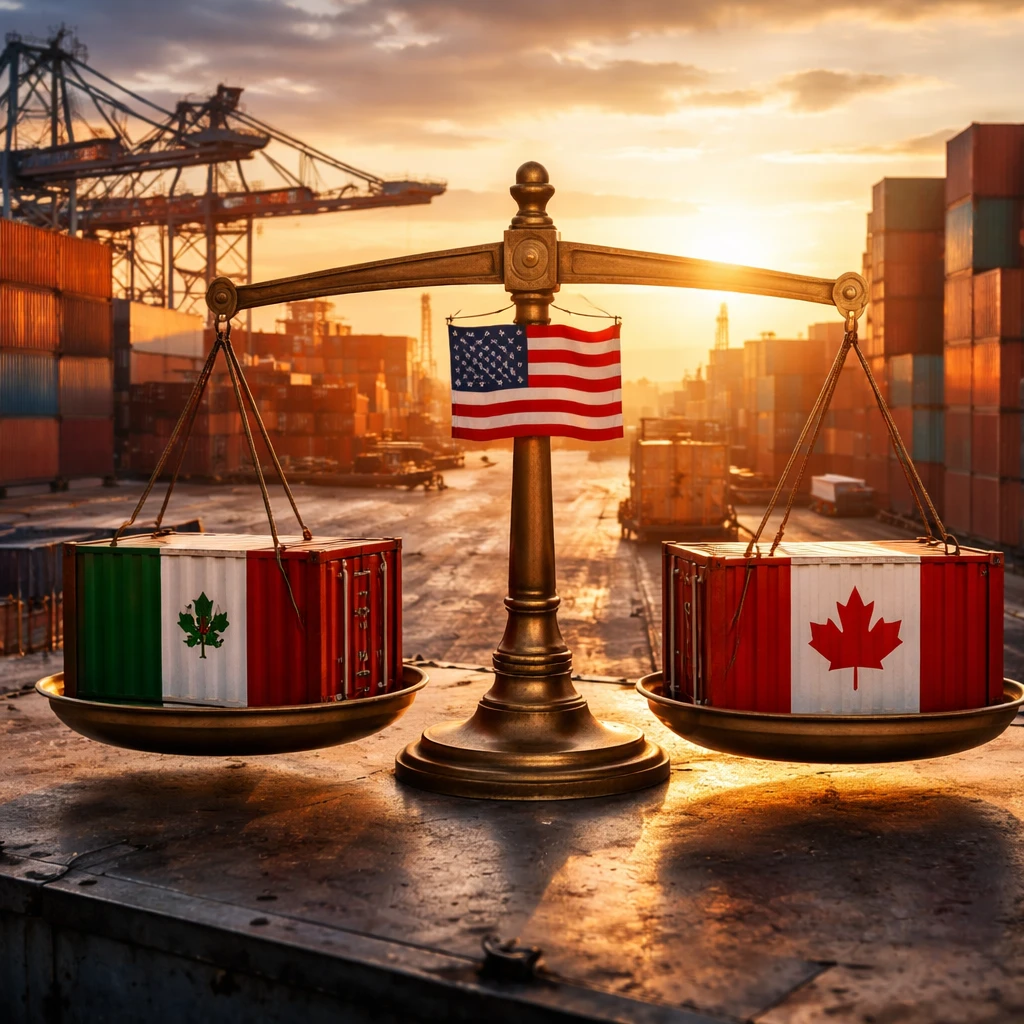
The United States is preparing to utilize tariffs against its North American free trade partners as part of a broader strategy to address ongoing trade imbalances. During a forum on Tuesday, U.S. Trade Representative Jamieson Greer clarified that the implementation of such tariffs is tied to the persistence of significant trade deficits. According to Greer, the U.S. has spent the previous 18 months communicating to various nations the necessity of maintaining some level of tariff protections.
A primary focus of the administration involves the trade deficit with Mexico. President Trump has expressed specific concerns regarding this imbalance, and Greer noted that the U.S. intends to impose tariffs on Mexican goods for as long as that large trade deficit remains a reality. While the U.S. maintains discussions with Canada, it is currently negotiating with Mexico on a bilateral basis.
Key Economic Developments
The current administration's approach highlights several critical shifts in North American trade policy:
- Tariff Implementation as a Deficit Tool: The U.S. plans to utilize tariffs as a mechanism to counter giant trade deficits, specifically targeting goods from countries where these imbalances are most pronounced.
- Negotiation of Rules of Origin: In forthcoming USMCA negotiations, officials intend to discuss modifications to the rules of origin. The goal of these changes is to increase the amount of U.S.-based content within regional trade.
- Preferential Treatment Framework: Despite the threat of tariffs, Greer noted that countries located within the region will continue to receive preferential treatment.
Market Impact: These developments may influence sectors heavily dependent on cross-border supply chains and North American manufacturing, as changes to rules of origin and tariff structures directly affect production costs and sourcing strategies.
Risks and Uncertainties
The shifting trade landscape introduces several points of friction for the regional economy:
- Retaliatory Trade Actions: Greer noted that Canada and China have already engaged in retaliatory measures against U.S. tariffs, suggesting a risk of escalating trade tensions between North American partners.
- Ongoing Trade Challenges with Canada: The U.S. continues to face significant trade hurdles specifically regarding its relationship with Canada, creating uncertainty for bilateral commerce.
Market Impact: Increased volatility may be seen in international trade sectors and commodity markets as nations respond to tariff announcements or implement retaliatory duties, potentially disrupting established trade flows between the U.S., Mexico, and Canada.