
Economy May 15, 2026 10:45 AM

Turkey pitches $1.2 billion NATO fuel pipeline to Romania via Bulgaria

Ankara presents a land route as a lower-cost, military-only supply line ahead of its July NATO summit

By Ajmal Hussain
Share
Twitter Reddit Facebook LinkedIn

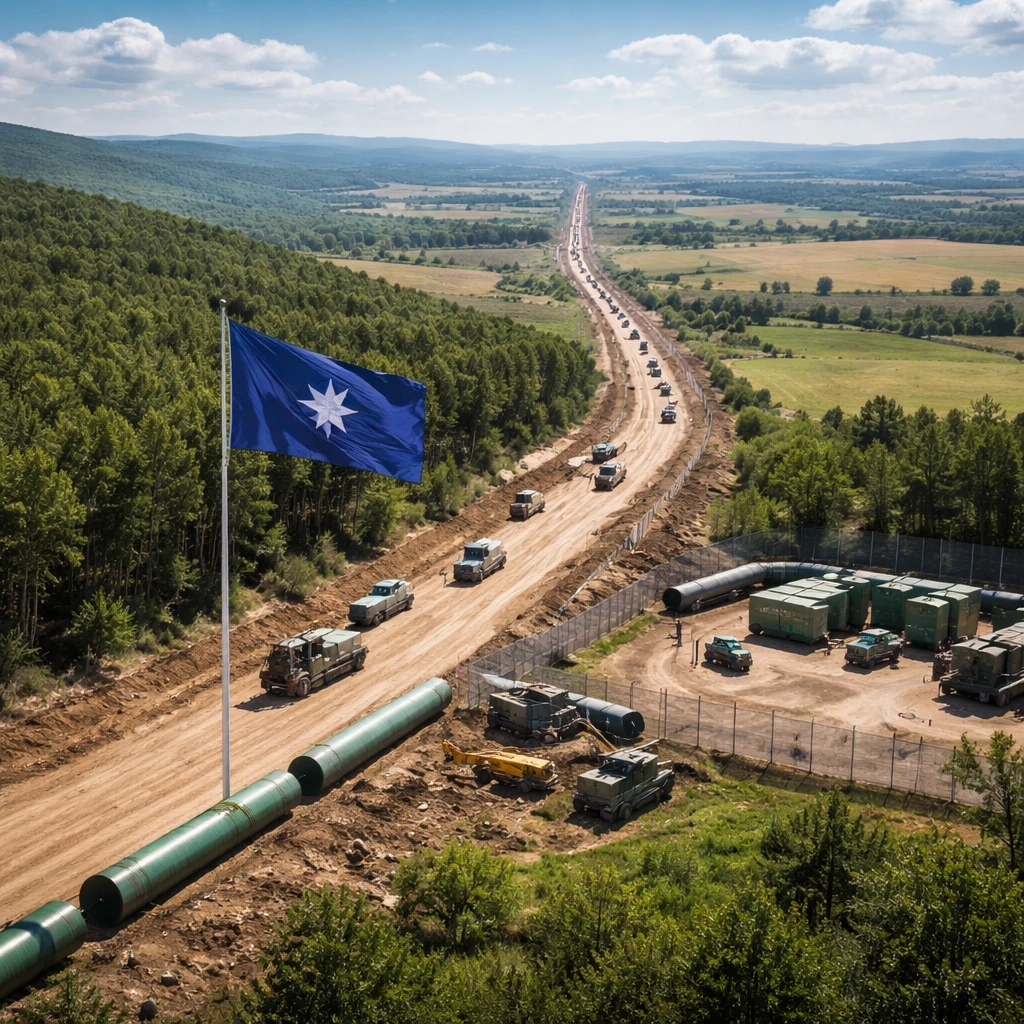
Turkey has proposed constructing a $1.2 billion fuel pipeline to move military-grade fuel from Turkey to Romania through Bulgaria. The route, intended solely for NATO military use, is being advanced as a cheaper and potentially more resilient alternative to maritime options and is expected to be brought forward ahead of the NATO summit Turkey will host in July.

Turkey pitches $1.2 billion NATO fuel pipeline to Romania via Bulgaria
Summarize with
ChatGPT Perplexity Claude Grok Gemini

Key Points

  • Turkey has proposed a $1.2 billion, military-only fuel pipeline from Turkey to Romania via Bulgaria.
  • The suggested route is estimated to cost about one-fifth of maritime-dependent alternatives through Greece or Romania's western neighbors.
  • The proposal is positioned as a response to security-driven disruptions in energy supply chains and will be tabled ahead of the NATO summit Turkey will host in July.

Overview

Turkey has put forward a proposal to build a $1.2 billion fuel pipeline intended to supply NATO forces on the alliance's eastern flank. The proposed corridor would run from Turkish territory through Bulgaria and into Romania and would be dedicated exclusively to military use, not civilian supply.

Cost and route rationale

According to the proposal details, the Turkish route could cost about one-fifth of alternative plans that have been considered. Those alternatives include routes that would rely on maritime transport - such as options routing through Greece or via Romania's western neighbors - which the proposal characterizes as more vulnerable to disruption.

Strategic context

The push to reassess fuel logistics for NATO's eastern members has been driven by recent geopolitical developments. These include Russia's invasion of Ukraine and disruptions to energy routes related to conflicts in the Middle East, with a cited example being recent supply interruptions tied to the closure of the Strait of Hormuz. Those events have prompted NATO members to review the alliance's fuel supply infrastructure and to look for reliable, cost-effective supply chains for eastern member states.

Diplomatic and decision timeline

Turkey plans to present the pipeline proposal in advance of the NATO summit it will host in July. Ankara is seeking allied support for the plan; whether the proposal is approved could be decided either before the summit or during it, according to the information provided.

Usage restrictions

The proposed pipeline would be limited to military use and explicitly not open for civilian fuel transportation. The proposal emphasizes its role as a NATO operational supply line rather than a commercial energy infrastructure project.


This report summarizes the proposal details as presented and the strategic considerations that have led NATO members to re-examine fuel supply options for the alliance's eastern flank.

Risks

  • Alternatives that rely on maritime transport are described as more vulnerable to disruption, posing operational risk for fuel supply to eastern NATO members.
  • Approval of the Turkish proposal depends on allied support and could be decided only before or during the Ankara summit, creating timing and diplomatic uncertainty.
  • The project's restriction to military use limits its commercial utility and could affect cost-sharing and financing arrangements.

More from Economy

BoE's Alan Taylor Says Current Rates Are Restrictive but Sees No Need to Raise Them Jun 8, 2026 China's May exports likely strengthened on front-loaded orders and chip demand, Reuters poll shows Jun 8, 2026 Goldman Sachs Pushes Expected Fed Rate Cuts Into 2027 After Strong Jobs Report Jun 8, 2026 Tech-led rout ripples across markets as AI-fueled gains unwind Jun 8, 2026 Indonesia to Lift Asset Yields in Bid to Stem Rupiah Slide Jun 8, 2026