
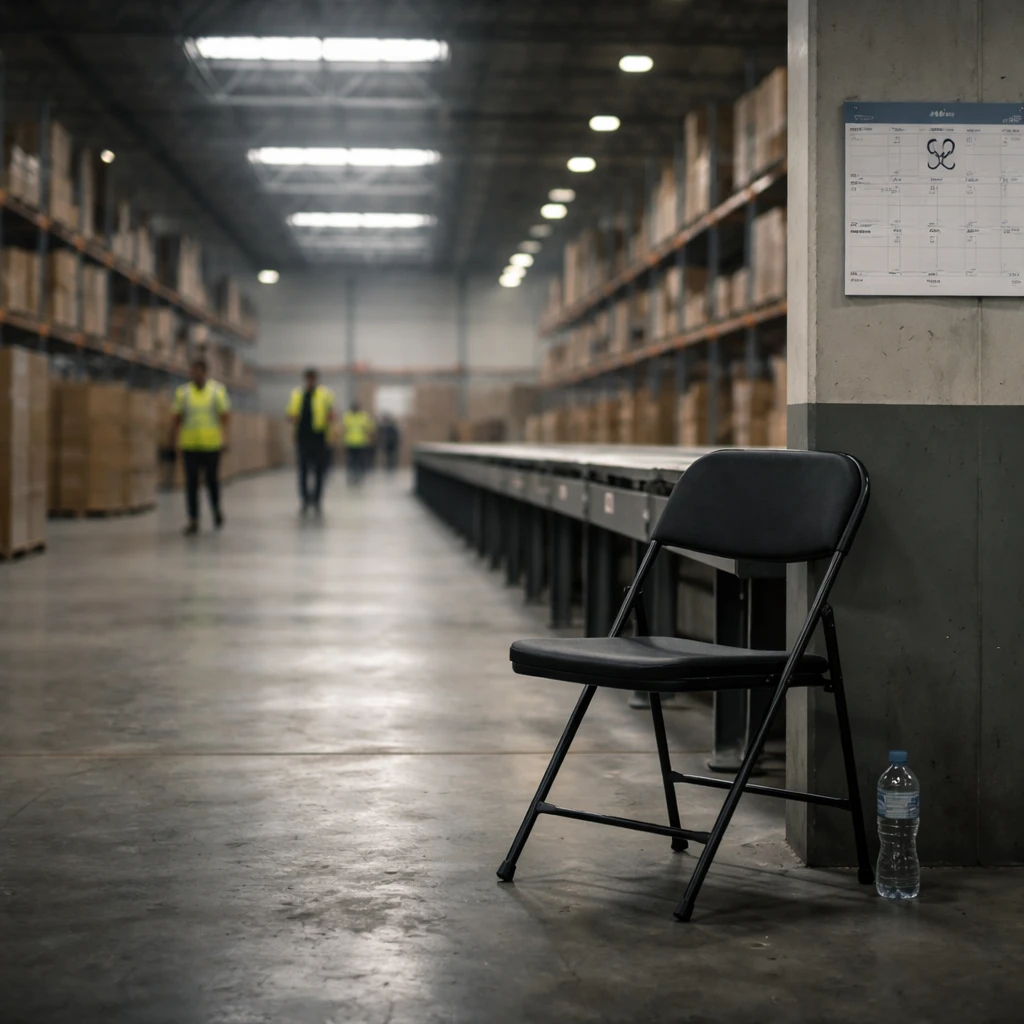
NEW YORK, Sept 8 - Amazon.com has been named in a proposed class action lawsuit filed in federal court in Brooklyn that alleges the retailer engages in systematic discrimination against pregnant employees. The complaint, brought by four former warehouse workers, contends that the company routinely fails to provide legally required accommodations for pregnancy-related needs.
The filing accuses the Seattle-based company of denying pregnant workers basic workplace accommodations. According to the complaint, those denied accommodations include chairs to sit on during shifts, permitted bathroom and water breaks, and time off for prenatal appointments. The suit contends these denials are part of a broader practice that violates federal and New York worker protection laws.
Beyond denying accommodations, the complaint alleges that Amazon maintains policies that threaten and "regularly" result in firing pregnant employees who take what the company deems too much time off. The plaintiffs also say Amazon demands medical documentation from employees who request accommodations related to pregnancy.
The lawsuit seeks monetary relief, including damages for lost pay and benefits, and asks for punitive damages. The plaintiffs frame the case as a class action, indicating an intent to represent similarly situated current and former workers who were denied accommodations or otherwise subjected to the policies described in the complaint.
Amazon did not immediately respond to a request for comment, according to the filing. The complaint describes alleged routine practices at the company but does not offer corporate comment beyond that point.
Context and implications
The complaint centers on workplace practices inside Amazon's warehouse operations and asserts violations of both federal and New York worker protection statutes. The alleged conduct includes denial of basic physical accommodations, restricted access to short breaks for hydration and restroom use, constrained scheduling for prenatal appointments, and administrative demands for medical documentation as a prerequisite for accommodations.
While the filing seeks individual and punitive damages, the complaint also frames the case as a putative class action, seeking to represent a broader group of employees who the plaintiffs say experienced similar treatment.
Note: The filing and claims described above come from the complaint submitted in Brooklyn federal court and reflect the allegations as pled by the plaintiffs.