
A U.N. body charged with investigating human rights violations in Syria raised serious concerns on Tuesday about Israeli military activity conducted inside Syrian territory, warning that particular measures - including the detention and transfer of civilians - could amount to war crimes.
Presenting an update to the U.N. Human Rights Council, Commissioner Fionnuala Ní Aoláin said the pattern of Israeli operations in southern Syria had become "increasingly sustained and entrenched." She described recurring ground incursions, patrols, raids and searches that have had consequences for the local population.
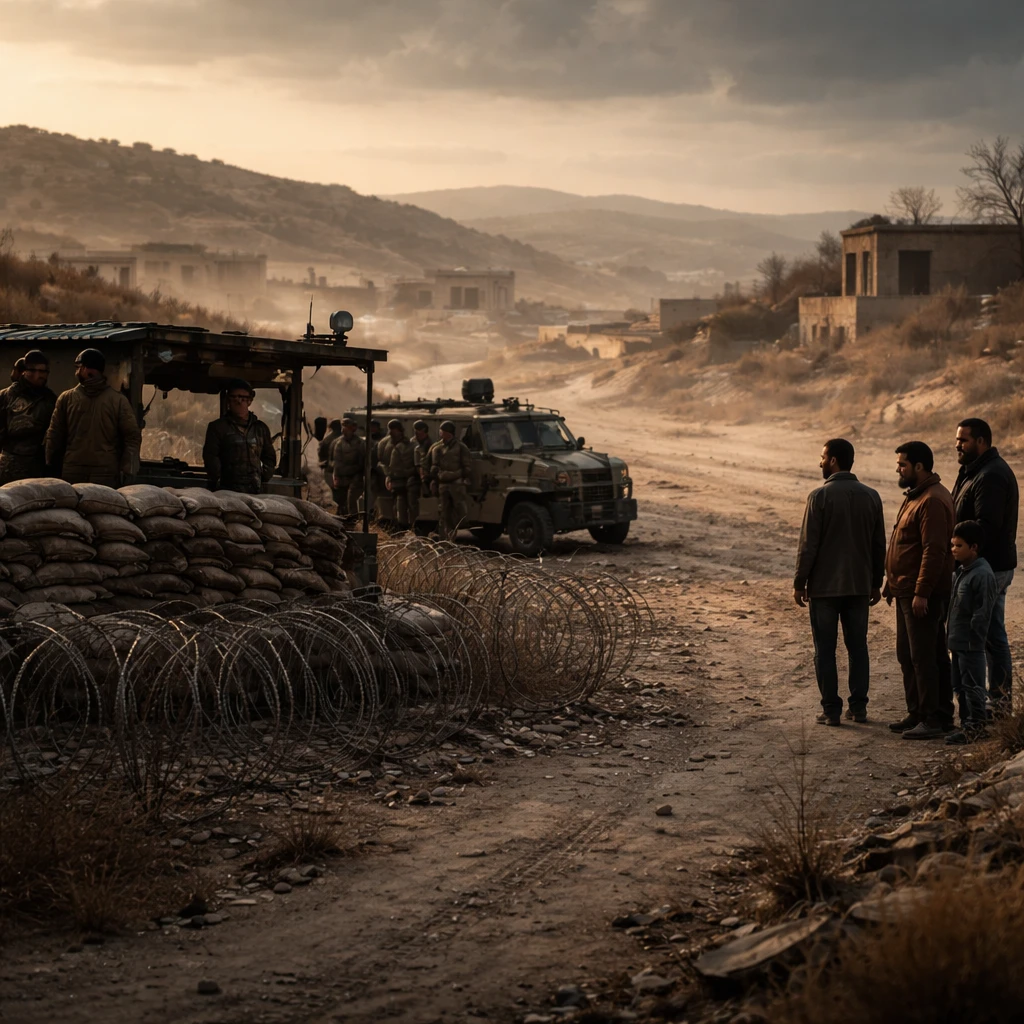
The commission said it had documented the establishment of temporary checkpoints and the construction of fixed military infrastructure by Israeli forces on Syrian soil, noting that these developments were especially concentrated in the southern provinces of Quneitra and Daraa. The commission also reported that Israeli military activity had prompted displacement among residents in those areas.
"The Commission is deeply alarmed about continued Israeli violations," Ní Aoláin told the council, adding that residents had expressed "bewilderment" at the unfolding operations while Syria undertakes reconstruction efforts. The commission released a statement alongside the session outlining additional concerns about the conduct of Israeli forces.
"Such acts may amount to war crimes," Ní Aoláin said, referring to the detention of civilians.
As of June, the commission reported it had identified 49 Syrians, including two children, who were detained by the Israeli military on Syrian territory and were believed to have been transferred across the border. The commission said some of those detained were being held incommunicado, raising specific concerns about possible torture or ill-treatment.
In its statement, the commission characterized Israel's presence in the area as a "belligerent occupation" and aligned itself with the U.N. Secretary-General's position that violations of Syria's sovereignty and territorial integrity are unacceptable and must stop.
The Israeli mission in Geneva did not immediately reply to a request for comment.
The commission's update also referenced events that followed the collapse of Syria's government in December 2024. It said Israeli troops entered a U.N.-patrolled buffer zone at that time - an action Israel described as temporary and necessary to secure its border during the political transition. Since then, the commission reported, Israel has carried out hundreds of strikes on Syrian military infrastructure and has seized new positions deeper inside Syria.
The Syrian government and the United Nations have said that the deployment contravenes Syrian sovereignty and breaches a 1974 disengagement agreement. Israel has asserted that its actions are necessary to protect its security.
Syria's representative to the council welcomed the commission's findings and reiterated Damascus' stated willingness to cooperate with U.N. human rights mechanisms while seeking accountability for abuses committed under the former government. The Syrian delegate also condemned the Israeli operations, accusing Israel of violating international law and the 1974 disengagement agreement.
The commission's report and the statements delivered to the council outline a series of practices - from the establishment of on-the-ground checkpoints to the detention and cross-border transfer of civilians - that the commission says warrant urgent attention from the international community and compliance with obligations to uphold sovereignty and human rights.