
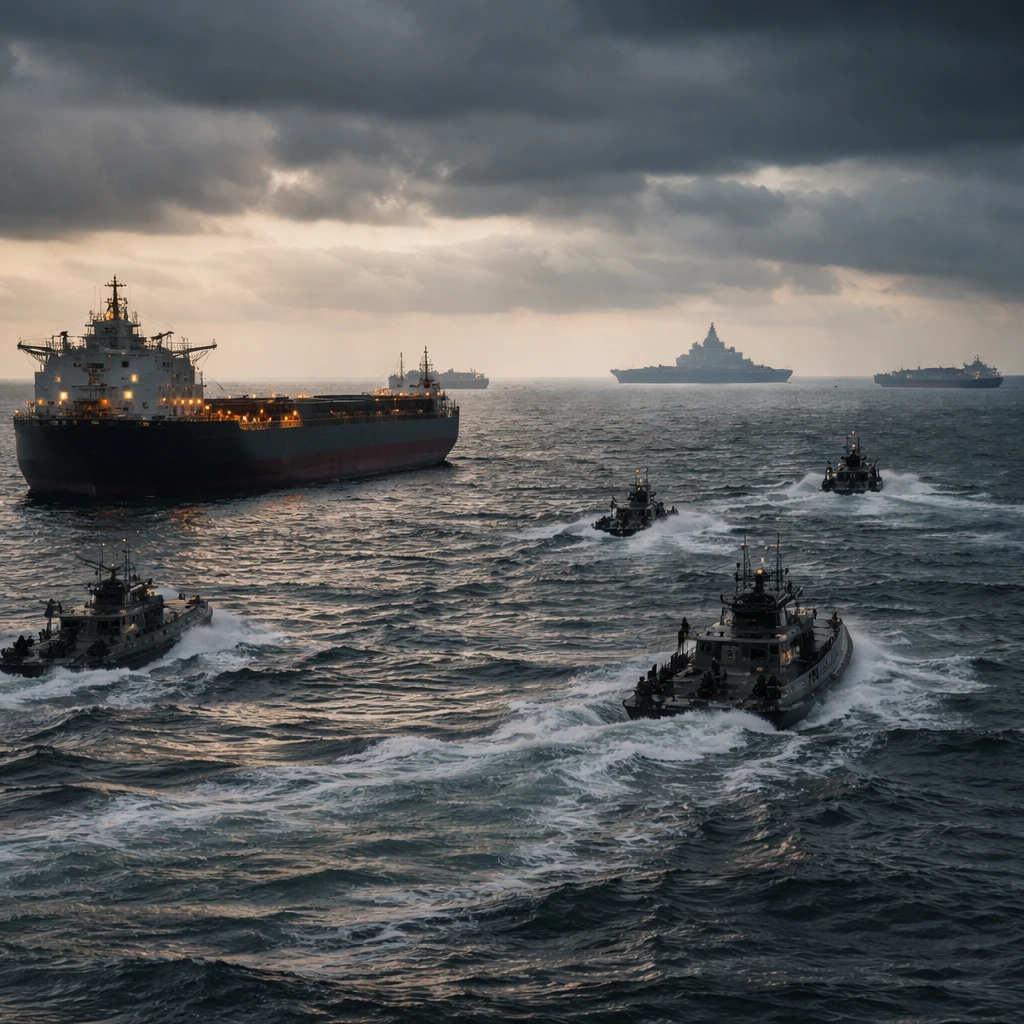
The situation at the Strait of Hormuz has moved into an increasingly dangerous phase, with daily commercial transits plunging to near zero as the standoff between Washington and Tehran intensifies.
What started as a U.S. strategy to apply pressure on Iran through a naval blockade under President Trump has morphed into a near-complete stoppage of maritime traffic, effectively freezing critical energy supply chains that rely on the waterway.
Operational disruption and a slow recovery
Shipping executives warn that even if diplomacy produces a breakthrough, the logistics required to restore routine transit will take months. The strait has emerged as the central flashpoint in the eight-week conflict, and operators say the pathway back to normalcy is likely to be long and complex.
The U.S. blockade has reshaped the theater of the dispute, extending operational risk well beyond the Persian Gulf. By interdicting vessels with links to Iran in international waters, the U.S. has prompted retaliatory actions by Tehran's so-called "mosquito fleet" of gunboats. That dynamic has produced a cat-and-mouse environment that shipping companies say has rendered the corridor effectively unnavigable.
Security concerns and human cost
Maritime operators have voiced growing frustration over the absence of clear, reliable security for commercial shipping. Rather than restoring order, the bolstered U.S. presence is described by some in the industry as increasing volatility. More than 400 seafarers are currently reported stranded within the Gulf, underlining the human and logistical consequences of the blockade.
Economic impact
The economic toll is mounting. Crude production from Persian Gulf producers has fallen 57% since the conflict began, a contraction that has kicked off demand destruction in gas markets and has worsened global shortages of fertilizer. Those shortages pose a threat to food prices for the remainder of the year, according to industry observers.
Markets had shown signs of relief on hopes for a tentative ceasefire in early April, but the hardening of positions since then has eroded expectations of a quick resolution.
Prospects and structural pressures
Analysts say the confrontation has settled into a war of economic attrition. Iran's governance structure is described as capable of weathering extended isolation due to a history of self-reliance, while the global economy lacks a comparable buffer.
With formal negotiations yet to be initiated, the current impasse is acting as a persistent drag on global growth. Shipowners are preparing for a "new normal" of acute operational unpredictability. If the U.S. and Iran remain deadlocked and the closure persists, the inflationary shock to energy and food supplies is likely only beginning to reach end-consumers.