
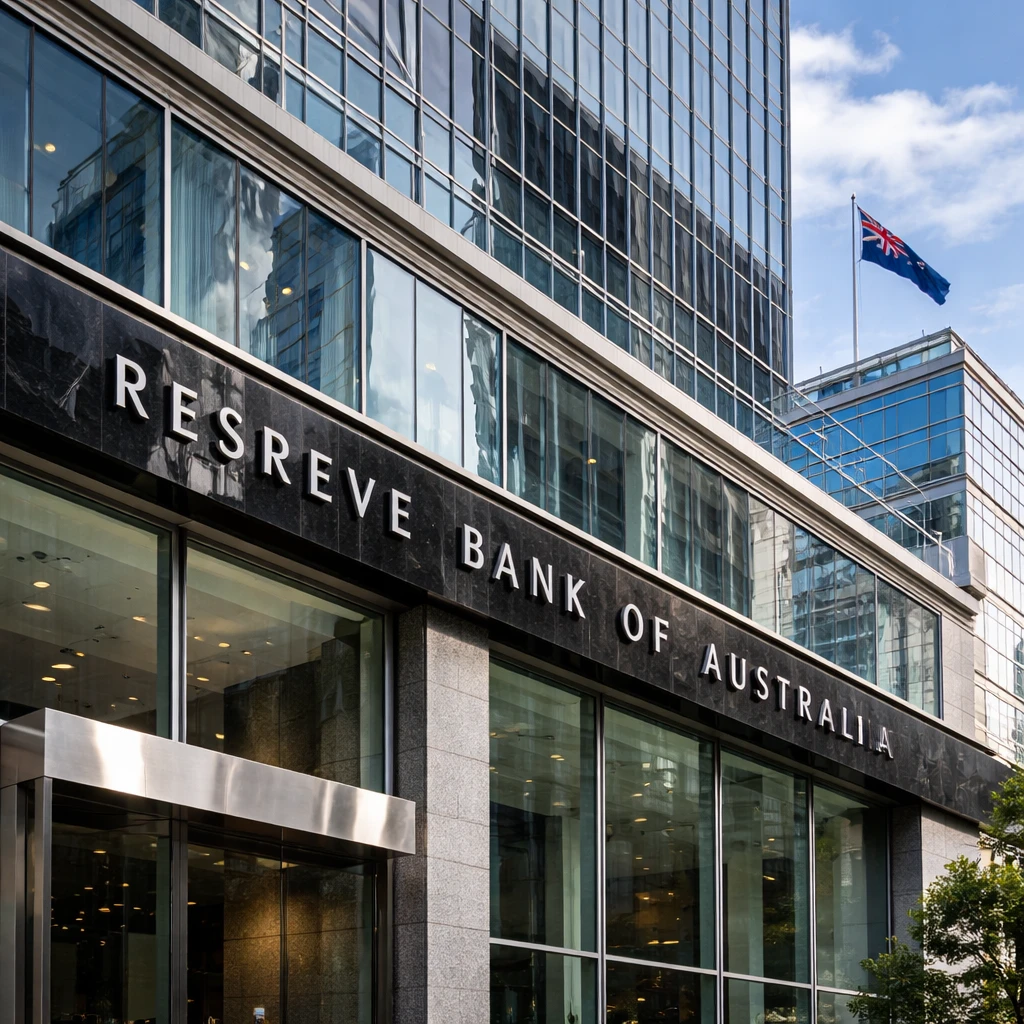
Australia's Reserve Bank (RBA) is widely anticipated to maintain its current cash rate at 4.35% during its upcoming June policy meeting on Tuesday. Following three rate increases initiated in early 2026, the central bank is expected to pause its tightening cycle to evaluate the full economic impact of its recent monetary decisions. However, policymakers have left the door open for additional rate hikes if underlying inflation proves more stubborn than anticipated.
Economic data released since the RBA's last meeting in May presents a complex challenge for policymakers. On one hand, indicators point to a notable deceleration in economic momentum. The latest first-quarter GDP reading fell short of expectations, unemployment has risen, and consumer demand remains subdued. These factors, coupled with a housing market that continues to lose steam, provide a strong foundation for a rate hold. On the other hand, inflation metrics remain firmly situated above the RBA's preferred 2% to 3% target band, preventing a complete pivot toward easing.
Central bank officials have also indicated a desire to observe how global geopolitical tensions, specifically the conflict in the Middle East, influence domestic economic conditions. The associated energy-price shocks pose a tangible risk of feeding higher fuel and transport costs into broader inflationary trends throughout the remainder of the year.
Market analysts project that the RBA's post-meeting statement will maintain a hawkish tone. This communication strategy is designed to manage expectations regarding persistent price pressures. Westpac economists, for instance, expect a June pause but forecast two further rate increases in August and September. Their modeling suggests trimmed mean inflation could peak at 3.8% later this year, a figure that exceeds the central bank's own current projections.
Similarly, ANZ anticipates a hold in June with rates expected to remain unchanged through the end of 2026. However, they caution that the risk of another hike in August remains if second-quarter inflation data reveals a surprise on the upside.
The anticipated policy stance will likely influence currency and equity markets. The Australian dollar (AUD) recently reached a four-year high against the U.S. dollar on May 6, immediately following a rate hike. Since then, gains have been pared back as markets price in higher-for-longer interest rates from the U.S. Federal Reserve and ongoing energy-driven inflation concerns. The AUD/USD pair saw a 0.5% rise in early Friday trade following interim peace developments in the Middle East.
Domestically, interest rate-sensitive sectors face continued pressure. Higher borrowing costs typically weigh heavily on real estate, consumer discretionary, and utilities, which can experience reduced household spending and compressed equity valuations. Conversely, the banking sector may benefit from improved lending margins resulting from the tight monetary environment. The S&P/ASX 200 benchmark index has shown resilience in recent sessions, driven in part by optimism surrounding geopolitical frameworks, but historical patterns suggest the index often faces headwinds following hawkish monetary surprises.