
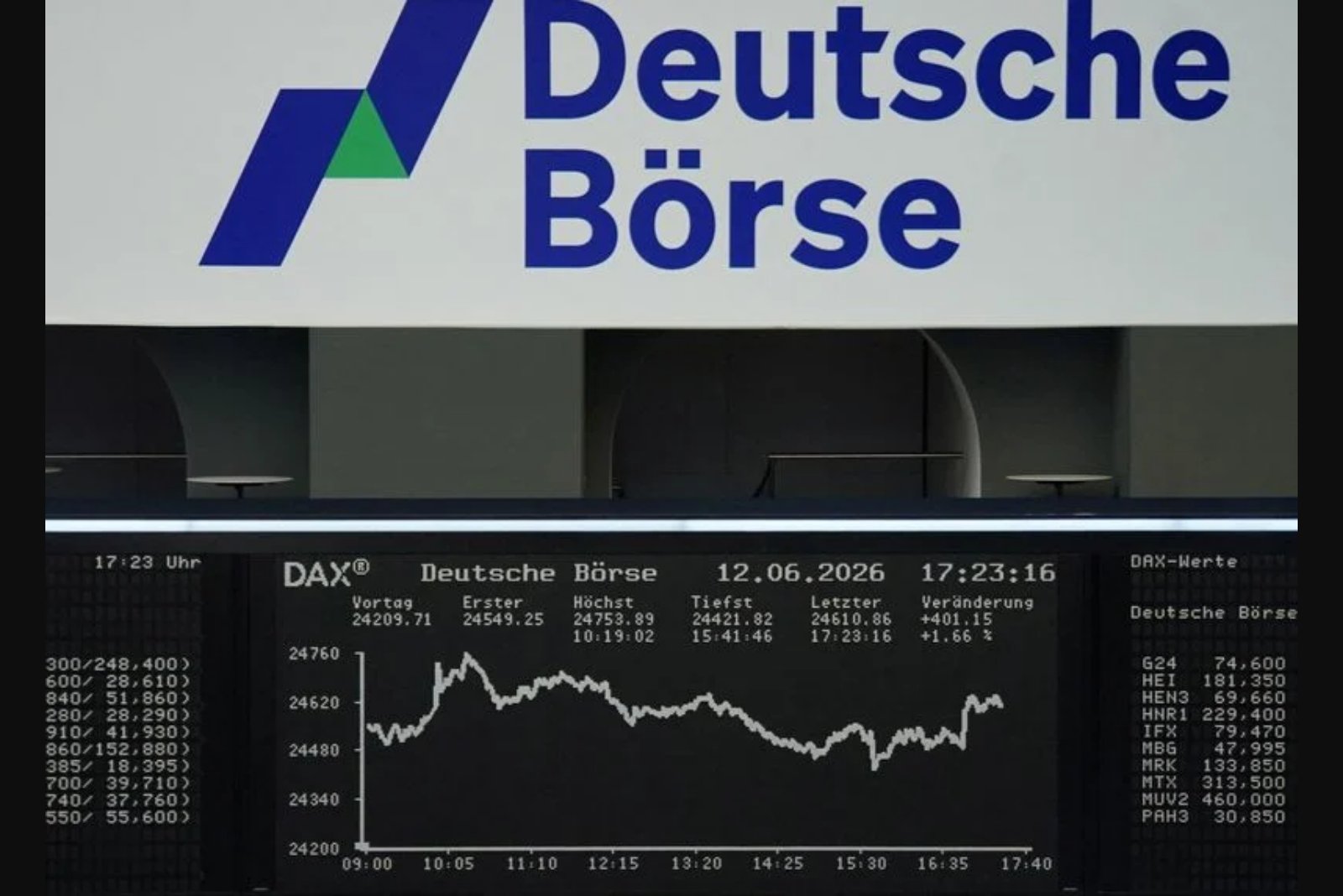
June 15 - Global markets opened with a pronounced risk-on tone after officials from the United States and Iran reported agreement on a framework to conclude their conflict, halt the U.S. blockade of Iran and reopen the Strait of Hormuz. The arrangement stops short of settling the contentious issue of Iran's nuclear program, which has been deferred to further negotiations.
The initial agreement is scheduled to be signed this coming Friday, when the strait is expected to be reopened fully. Yet important practical questions about control and access remain. U.S. comments indicated the strait would be toll-free, while Tehran said it would share control of the waterway with Oman. That divergence matters: any imposition of tolls would conflict with the principle of freedom of the seas under international law, a foundation for global supply chains and international trade.
Market participants noted the broader geopolitical implications of allowing a coastal state to levy tolls on a major shipping lane. The analysis offered in markets asked a simple but pointed question: if control of the Strait of Hormuz can lead to tolls, what would stop similar measures being applied to other strategic chokepoints such as the Strait of Malacca, the Bab el-Mandeb, the Taiwan Strait, the English Channel or the Strait of Gibraltar?
Practical operational concerns were also highlighted. Observers said it was not yet clear whether shipowners would feel sufficiently protected to resume transits through the strait without armed escorts, nor how much insurance premiums for such voyages might rise. A return to the pre-conflict daily average of 138 transits cannot be assumed and timing remains uncertain. There are also open questions about the condition of oil and liquefied natural gas facilities that sustained damage during the conflict.
For now, the headline progress was sufficient to lift risk sentiment. U.S. and European share futures traded more than 1% higher, while equity markets in Japan and South Korea jumped by over 5%. Oil benchmarks reacted sharply: Brent crude fell about 5%, a move that offered relief to net energy importers in Asia.
The drop in oil helped ease inflation concerns, at least in markets' immediate read, and reduced the perceived need for further interest rate hikes. Ten-year U.S. Treasury yields slipped 6 basis points to a one-month low, and Fed funds futures recalibrated, removing roughly 8 basis points of expected tightening from next year.
Lower energy prices may also shift the balance of influence among U.S. Federal Reserve officials. Market commentary suggested cheaper oil would bolster the position of more dovish policymakers on the Fed's board - including its Chair, Kevin Warsh - who have supported maintaining an easing bias. Yet changing the Fed's language from an easing bias to a neutral stance remains a tangible risk at this week's Federal Open Market Committee meeting, according to remarks from a number of FOMC members.
Central banks across the globe will be active this week, with policy meetings scheduled in the United Kingdom, Japan, Australia, Switzerland, Sweden, Norway and Russia. Japan is widely viewed as the one likely to raise rates in this cycle. The Russian central bank meeting on Friday will attract scrutiny after Governor Elvira Nabiullina has been absent from the public eye for several weeks, prompting speculation about her immediate future. Analysts have credited Nabiullina with helping sustain the Russian economy through the Ukraine war, and her continued absence could test investor confidence in the country's financial leadership.
Key developments to watch on Monday:
- G7 summit begins in Evian-les-Bains, France
- Pre-recorded keynote by European Central Bank President Christine Lagarde; appearance by ECB board member Piero Cipollone
- European Union trade and industrial output data for April
- U.S. industrial output for May and the Empire Manufacturing survey for June
This week's flow of central bank decisions, energy price moves and political developments around the Strait of Hormuz will be central to risk sentiment and market positioning in the near term.