
Just days before the 2026 FIFA World Cup begins, a reworked stretch of asphalt in East Rutherford, New Jersey - adjacent to MetLife Stadium - has been transformed on paper into some of the most expensive parking real estate in the region. Yet on the ground, the area still reads like an ordinary, neglected lot amid warehouses and wetlands that lie between New York City and Philadelphia.
The World of Blue, a hotel that recently completed a major renovation, has listed a parking fee of $450 for the night of the tournament final, which will be held at MetLife Stadium. The same property is advertising a July 19 final-night room rate of about $2,300 on its website, roughly seven times the price listed for a comparable night a month later. That higher room rate is being offered with a reduced-price parking option of $383.
MetLife Stadium is scheduled to host eight World Cup matches over the coming five weeks. For some local hoteliers, proximity to the stadium motivated large investments and aggressive pricing strategies. The World of Blue spent roughly $100 million converting itself into what it markets as a luxury destination ahead of the games.
Despite that outlay and the premium sticker prices, early indicators point to weak demand for many matches. Front desk agent Alexandra Sanchez said occupancy at the World of Blue ranged between 8% and 30% for group stage games. She added that just 4% of rooms were booked for the final and that, as of Monday, only a single parking space had been reserved.
Those booking numbers are consistent with broader signs that the anticipated surge of visiting supporters has not yet fully materialized. Industry analysts and travel agents cite a combination of factors restraining travel: sky-high ticket prices, rising airfare costs and a scarcity of lower-cost lodging even in markets that typically serve budget travelers.
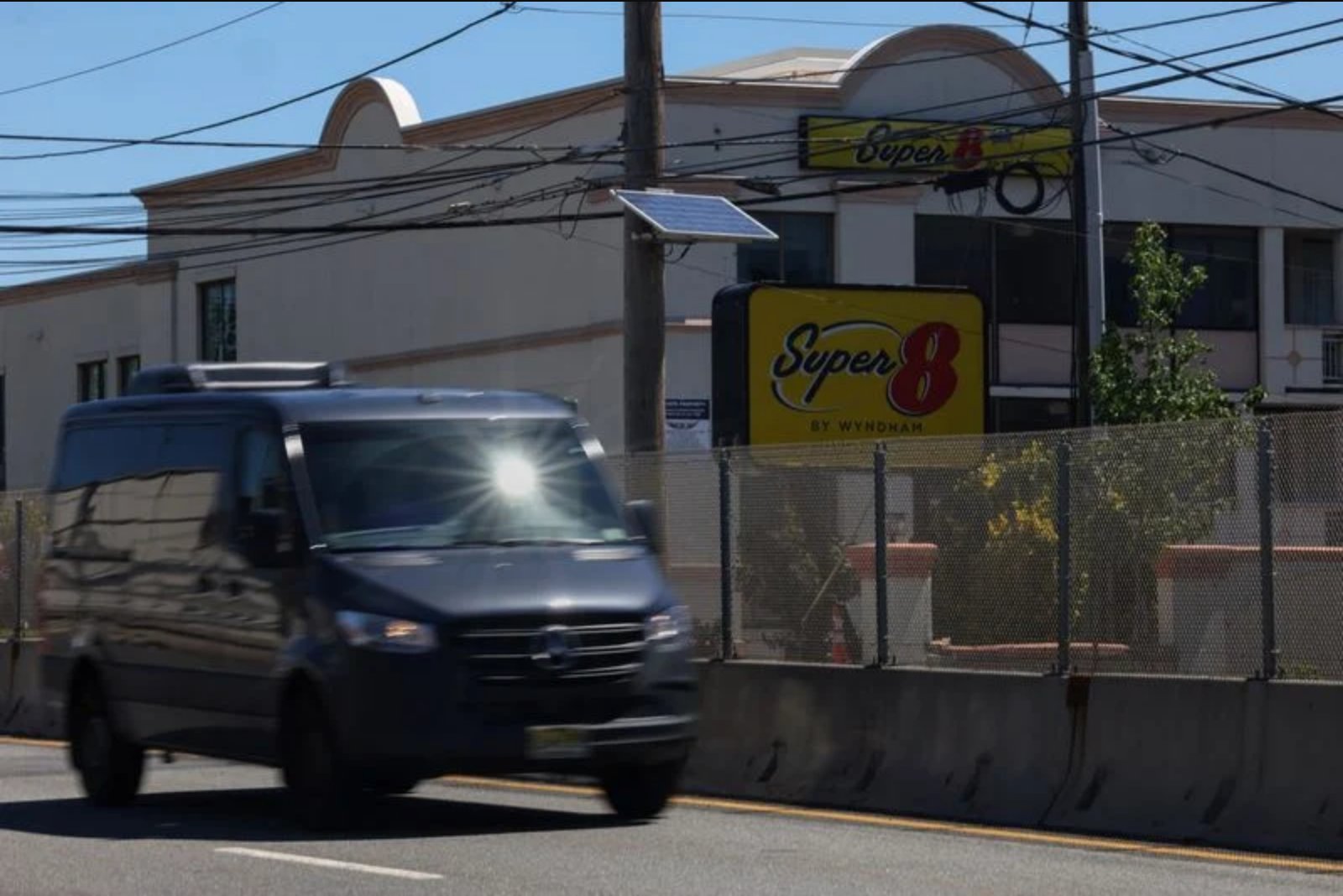
Economy lodging in the area is reflecting the market distortion. A two-star Super 8 located along a busy four-lane road had its rate for the final night set at about $500. An Extended Stay America property, positioned as an economy apartment-hotel option, listed final-night pricing north of $900. A review of their booking pages indicates both budget-oriented chains have started lowering rates for group stage matches, while many upper-tier hotels have maintained elevated pricing for later events.
None of the hotels mentioned in this report replied to requests for comment about their rates and current customer demand.
Price sensitivity among regular travelers is visible in consumer reactions. Chris Andraka, 36, director of operations at a manufacturing firm, said he altered his plans after noticing a spike in rates at his usual hotel. He found that the SpringHill Suites by Marriott increased nightly rates from about $300 to $5,300 during the third week of July and decided to change his schedule accordingly. Asked whether he would recommend the hotel to World Cup attendees, Andraka noted that it offered basic amenities - a pool, a small gym and complimentary breakfast - but added the facilities were "nothing to write home about." He said, "I’m not gonna work that week."
Even being physically close to the stadium does not guarantee simple access. FIFA regulations require the venue to be debranded for the tournament and it will appear as New York New Jersey Stadium in official materials. Travelers who pay for parking at nearby hotels should expect to use shuttle buses or rideshare services to reach match entrances. Venue and local authorities discourage pedestrians from attempting to walk on surrounding roadways. A notice at an Extended Stay reception, printed with a New Jersey police logo, cautioned: "It is illegal and dangerous to walk on the roadways surrounding the stadium." The words "illegal" and "dangerous" were emphasized on the sign.
For many fans, staying in New York City remains an attractive option because of the city’s nightlife and dining scene, even if it requires regular travel to New Jersey for matches. But demand in Manhattan and surrounding boroughs is also softer than recent comparable periods. Data from CoStar show that, as of June 1, 28% of New York City hotel rooms were booked for the night of the final on July 19, down from 40% booked for the same date a year earlier.
Jan Freitag, director of U.S. hospitality at CoStar, said there is still an opportunity for bookings to strengthen as the tournament progresses. He suggested that hotel demand could increase as later rounds become clearer and stronger teams advance, at which point those teams' supporters may travel in greater numbers. Freitag said, "For some of the markets, the hotel demand will come once the later games in the World Cup will get seeded, and stronger teams survive, and those teams then will attract their crowds."
The current pattern - elevated rates paired with low near-term occupancy for many properties - presents a testing environment for operators who adjusted pricing and capital plans in expectation of a steady influx of international and domestic match-going visitors. How booking curves change as teams advance will determine whether upgraded assets and premium-priced inventory can convert investment into revenue and cash flow at the levels some owners forecasted.
Key points
- Several hotels near MetLife Stadium have set very high rates for the World Cup final - the World of Blue lists a room at about $2,300 and parking at $450 for the final night.
- Early occupancy at some renovated properties remains low - World of Blue reported 8% to 30% occupancy for group stage games and 4% booked for the final as of Monday.
- Sectors affected include hospitality, transportation and air travel - elevated ticket and airfare costs, together with constrained affordable lodging supply, are cited as demand headwinds.
Risks and uncertainties
- Continued weak bookings could pressure hotel revenues and working capital for properties that invested heavily in renovations - an operational and financial risk for hospitality owners and lenders.
- If higher ticket and airfare prices persist, they may continue to limit travel to host cities, reducing demand for lodging and related services in affected markets.
- Logistical limits on pedestrian access and reliance on shuttles-rideshares could dampen the appeal of properties that rely on proximity to the stadium as a primary selling point.