
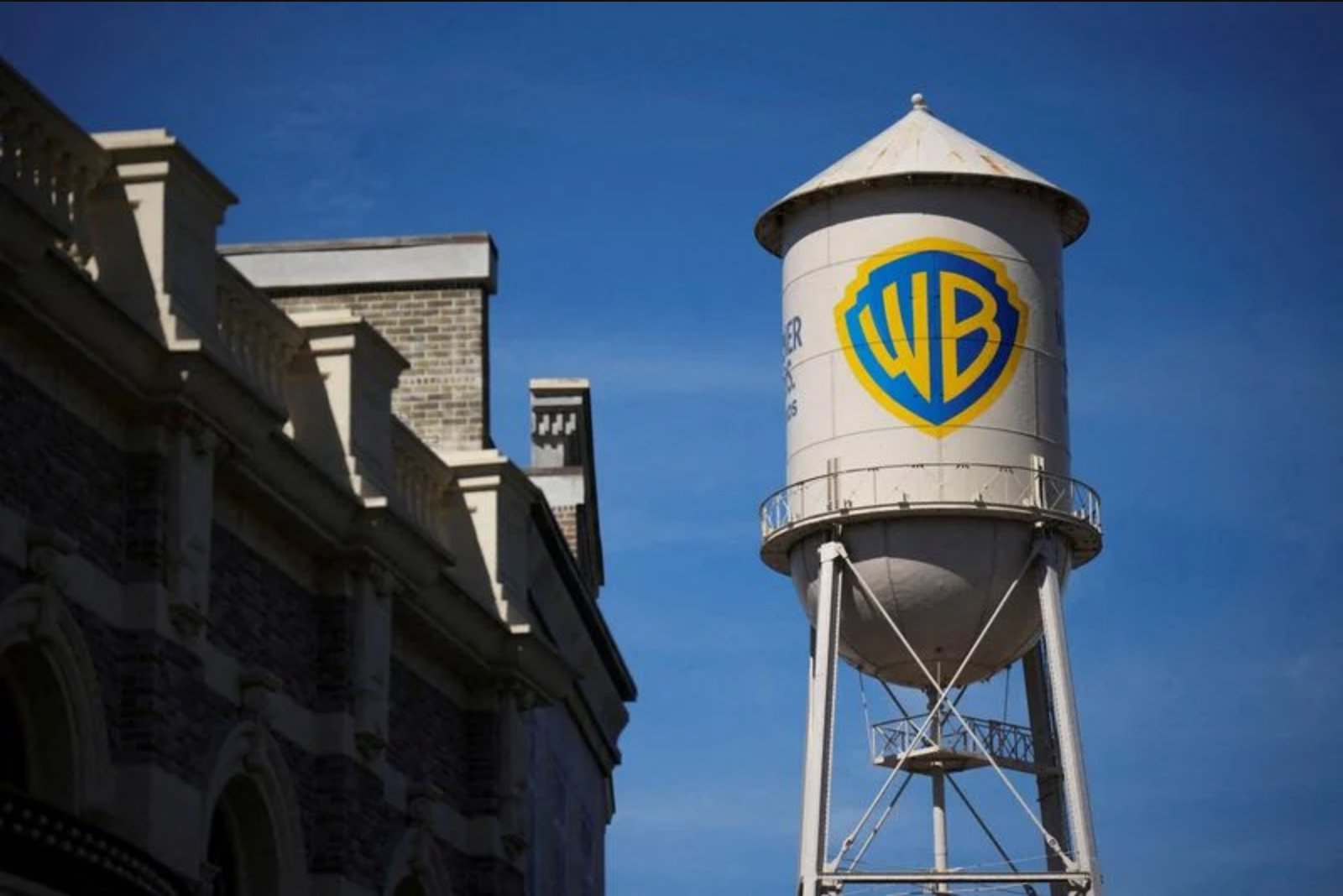
The U.S. Justice Department’s Antitrust Division has cleared Paramount Skydance Corp’s planned $110 billion acquisition of Warner Bros. Discovery, concluding that the massive media merger is unlikely to negatively impact competition or consumers. The regulatory approval follows an extensive eight-month evaluation period during which the division analyzed how the combined entity would affect the streaming video services, traditional television, and broader film industries. Input was gathered from across the entertainment sector to assess the competitive landscape thoroughly.
In a statement released on Friday, the Justice Department emphasized that the investigatory record supports the conclusion that the transaction will actually increase competition within the media and entertainment ecosystem. The agency noted that the merger is expected to deliver tangible benefits for American consumers and workers. The approval comes amid a complex backdrop involving high-profile political connections and significant foreign investment interests in the deal.
- Key Point: Enhanced Competition in Streaming and Traditional Media - The DOJ’s evaluation concluded that a combined Paramount+ and HBO Max would create a significantly stronger alternative to larger streaming services. This consolidation is viewed as a mechanism to increase competition within the streaming sector. In traditional television, the agency found that vigorous competition for live sports, news, and political commentary remains robust, meaning the merger is unlikely to harm this established business model.
- Key Point: Expanded Theatrical Competition and Content Investment - The regulatory review found that the theatrical business will see more robust competition moving forward. Paramount and Warner Bros. are expected to compete not only with traditional Hollywood rivals but also with smaller independent studios like A24 and newer entrants such as Apple and Netflix, all of which have signaled continued interest in theatrical releases. Since the initial announcement of the deal, theatrical production has increased, further supporting the view of a competitive market.
- Key Point: Market Impact and Strategic Positioning - The merger is positioned to help the newly formed entity better compete in an industry defined by an intense scramble for audiences, talent, technology, and investment. Paramount issued a statement thanking the DOJ for its review, emphasizing that the transaction allows for improved competitive positioning. The company remains focused on completing the deal to deliver benefits to consumers, creators, and the entertainment industry at large.
The path to approval has not been without scrutiny regarding the involvement of foreign sovereign wealth funds. The Federal Communications Commission has not yet approved a petition seeking permission for foreign interests, including Gulf sovereign wealth funds, to own up to 100% of the debt in the proposed $110 billion transaction. This regulatory hurdle remains pending as the deal moves forward.
Political considerations have also been a focal point of the deal’s narrative. Democratic senators have raised concerns about Middle Eastern sovereign wealth funds and Chinese companies taking part in the transaction. The senators specifically noted the involvement of sovereign wealth funds from Saudi Arabia, Qatar, and Abu Dhabi, which would invest in a company controlling CBS stations and major cable news operations including CNN. Reports have also suggested that China’s Tencent may be involved. Additionally, Paramount CEO David Ellison’s father, billionaire Oracle co-founder Larry Ellison, has cultivated ties with President Donald Trump, and the company has hired former Trump officials.
Assistant Attorney General Omeed Assefi explicitly stated that politics would not drive the DOJ’s review of the transaction, aiming to separate the regulatory decision from political influences. The family of Paramount CEO David Ellison will continue to control voting shares in the combined entity. Paramount stated in a filing that new foreign investors will receive only non-voting equity and will not have any ability to influence the company’s editorial decision-making.
The DOJ’s evaluation was thorough, involving the review of more than 2 million documents obtained from 80 sources. The agency dismissed comparisons to the $71 billion merger of Walt Disney and Twenty-First Century Century Fox, which closed in 2019. The DOJ noted that the 2019 merger occurred a year before the COVID-19 outbreak triggered dramatic changes in audience consumption patterns. Furthermore, Disney has substantially increased its spending on content in the years since that deal closed, distinguishing its post-merger trajectory from the current scenario.
Despite the federal approval, opposition persists from other sectors of the industry and government. Several Hollywood professionals, including actors, directors, writers, and producers, have expressed concern that the merger would result in fewer jobs and less diversity of storytelling. Reflecting these concerns, California, New York, and other U.S. states are preparing a lawsuit to block the deal. California Attorney General Rob Bonta posted on social media platform X that the proposed merger of Warner Bros. and Paramount remains under investigation by his office, indicating that legal challenges to the transaction are imminent.