
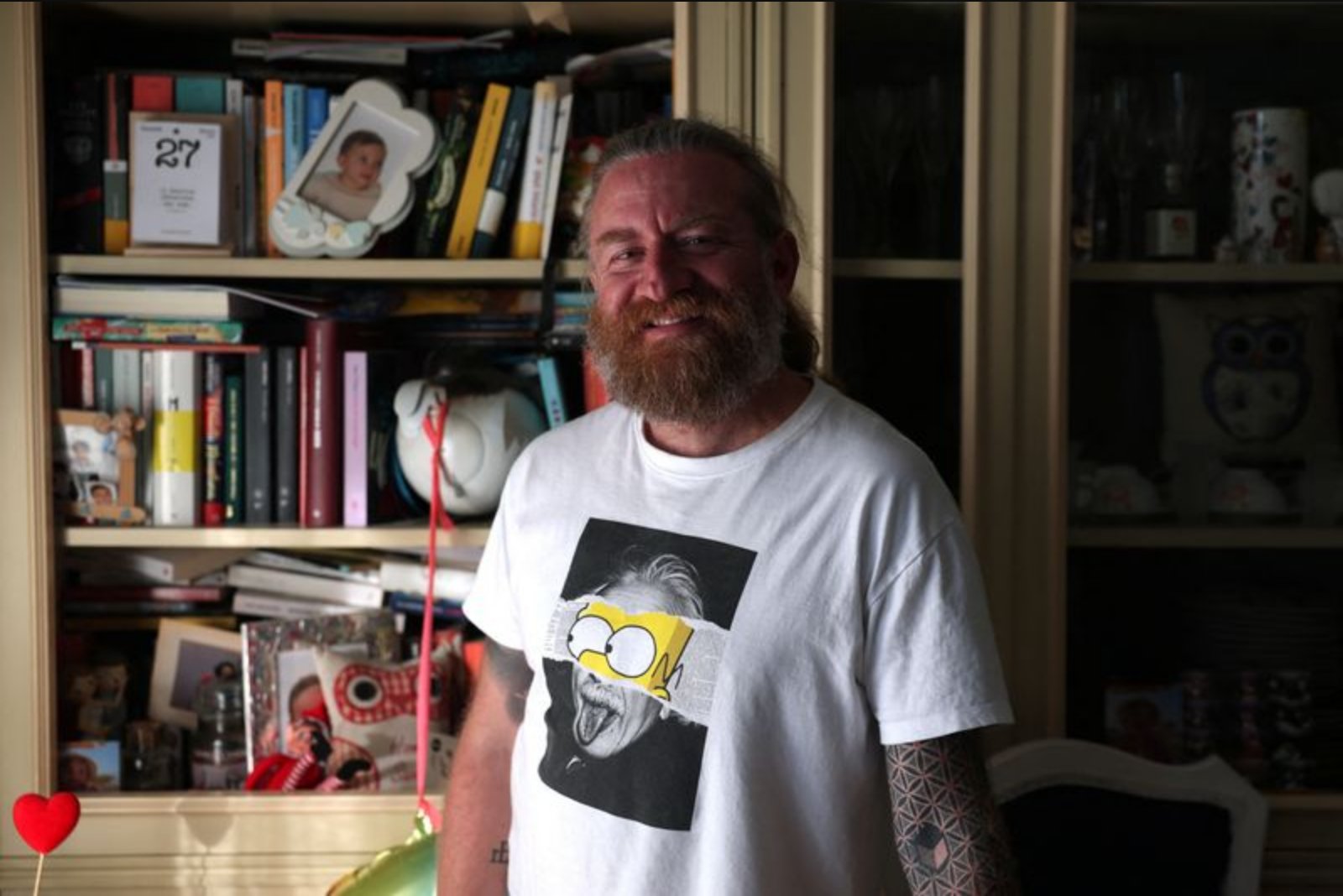
In a Milan suburb each afternoon, Diego Di Franco collects his children from school, oversees their after-school activities and prepares the evening meal - responsibilities that in Italy are still widely associated with mothers. What makes his routine notable is that he is the father and he shares these moments with a sizeable online audience.
Earlier this year, in February, Italy’s parliament rejected a proposal that would have equalised maternity and paternity leave by providing men and women with non-transferable, fully paid parental leave. The vote, carried by the centre-right majority, ended 137 to 117 in favour of maintaining the existing system. The current statutory split, critics say, leaves a pronounced policy imbalance: five months of maternity leave compared with just 10 days of paternity leave.
The legislative defeat stands in contrast to a visible cultural shift on social media, where an expanding cohort of so-called "dad influencers" is documenting and normalising hands-on paternal care. Proponents of the social media trend and some researchers say these public portrayals are changing perceptions about fatherhood, making male caregiving more visible and socially acceptable.
"The number of dad-influencing bloggers is increasing and it’s very varied. They’ve made a huge contribution in putting forward a different narrative about fatherhood, which is more inclusive, more equal, also fun," said sociologist Annina Lubbock, who consults for the Children’s Health Centre (CSB). "This is a reflection of a change that’s been ongoing in Italy already for some time, but these influencers are also driving this change," she added.
An individual example and a national picture
Di Franco, 45, typifies the household arrangement that remains uncommon in Italy: he documents life as a primary caregiver while his wife, Raffaella, works full time as a senior manager. His Instagram account counts more than 50,000 followers, and he says roughly 85% of them are women, many of whom ask how to encourage their partners to take a more active role at home. For Raffaella, Di Franco’s presence made a tangible difference to her own career trajectory. "It gave me the confidence to face challenges and seize opportunities," she said.
Yet statistics show the Di Franco household remains atypical. Female employment in Italy was 53% in 2024, compared with a 70.8% female employment rate across the EU as a whole, according to Eurostat. Researchers point to a pronounced "child penalty": women make up around 70% of voluntary resignations in Italy, frequently following childbirth, and involuntary part-time work among women remains widespread.
"It’s a clear sign of the child penalty women pay for having children," said statistician Linda Laura Sabbadini.
Politics, fiscal constraints and competing priorities
The parliamentary debate exposed fault lines between political positions and administrative or fiscal concerns. Opposition lawmakers framed the rejected proposal as a potential catalyst for cultural change. "This law would have been a cultural revolution," Democratic Party leader Elly Schlein told parliament.
Members of the ruling Brothers of Italy party refrained from dismissing the principle of expanded paternity leave but argued the proposed measures were unaffordable. Walter Rizzetto, president of the Chamber’s Labour Committee, told Reuters: "Furthermore, a mandatory five-month leave for fathers would require deeper analysis due to possible impacts on public administration and small businesses." Lawmakers cited budget constraints when voting against the measure.
Economists and activists have linked the difficulty of combining work and childrearing to Italy’s demographic decline, arguing that higher female employment is necessary to support growth and sustain public finances, and that more supportive policies for working mothers could encourage higher birth rates. Evidence from abroad is sometimes invoked to show that policy design affects outcomes: when Spain expanded paid paternity leave to 16 weeks in 2021 and made it compulsory and non-transferable, studies found a sharp rise in uptake among fathers and a narrowing of the gender pay gap.
Within Italy, think tank research suggests corporate policy choices matter: when private companies offer extended paternity leave the uptake rate climbs to 71%, compared with a 64% national average, with younger fathers showing a higher propensity to take the leave.
Visibility, social change and remaining gaps
The social-media visibility afforded to fathers like Di Franco may be shifting norms incrementally. "With my first child I was the only dad at kindergarten," he said. "Six years later, there were three or four. And I thought: things are changing." Sports figures also weighed in after the parliamentary vote: Olympic gold-medalist Federica Pellegrini, who has two children, wrote on Instagram that "If a woman wants a career in Italy, she is better off not becoming a mother," a sentiment that captures the trade-off many see between professional advancement and family formation under current arrangements.
Despite these cultural signals, the policy picture remains unchanged for now: significantly longer maternity leave compared with minimal paternity leave, low female labour-force participation relative to EU peers, and a parliamentary majority that rejected an opposition bill to equalise parental leave on fiscal grounds. Advocates for reform argue that legislative action could complement organic shifts in behaviour and help address structural barriers to higher female employment and balanced caregiving responsibilities.
This article presents the current dynamics around parental leave, social trends among fathers, and the political debate in Italy, based on parliamentary outcomes, public statements and available research cited in parliamentary and think tank discussions.