
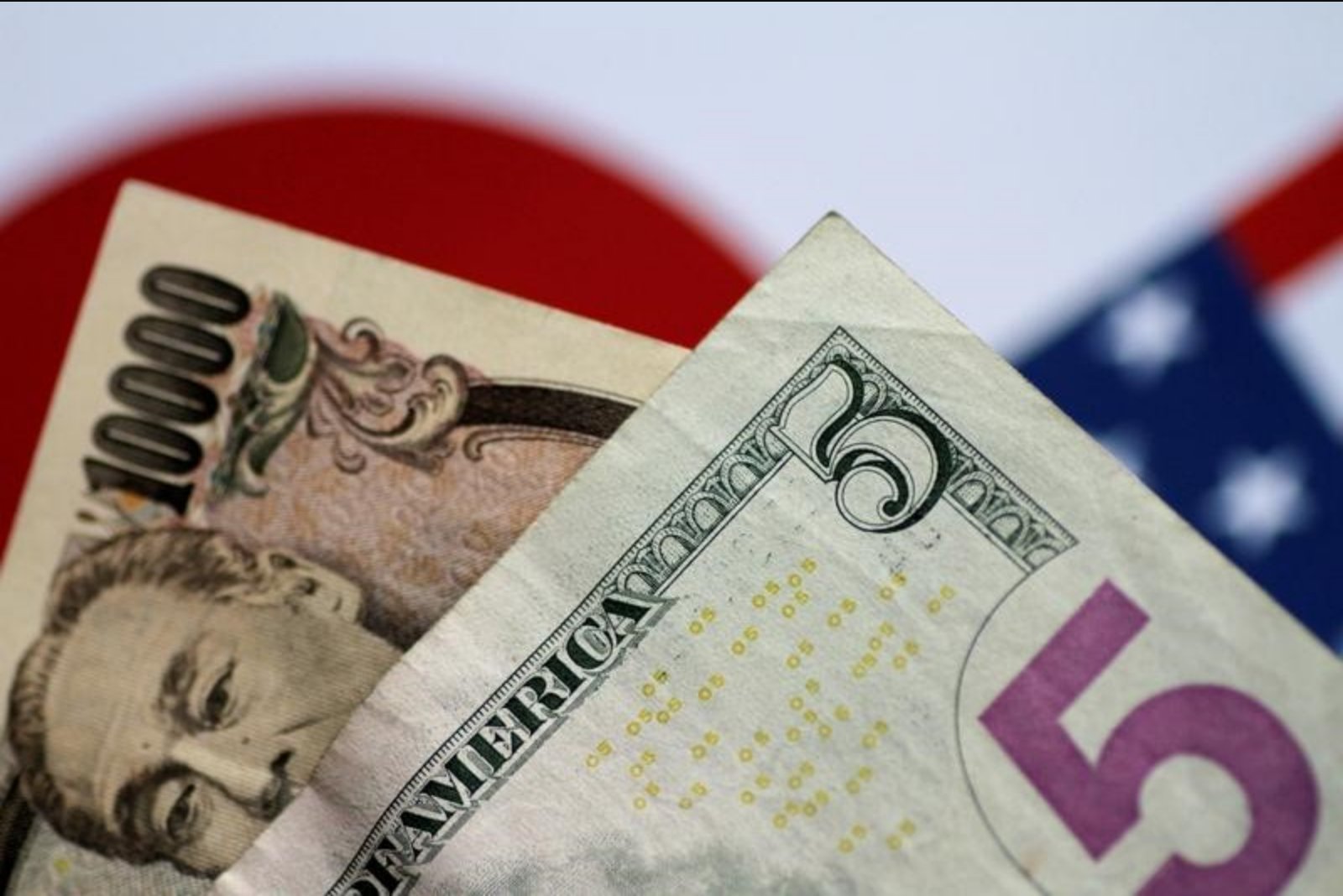
Asian currency markets were largely inactive on Friday as traders adopted a wait-and-see stance ahead of potential additional talks between the United States and Iran. Softer demand for safe-haven assets helped temper the U.S. dollar, while the yen weakened after signals from the Bank of Japan that suggested no clear move toward an April rate increase.
Market context and safe-haven flows
The dollar index and dollar index futures stabilised in Asian trading and were on track for a second consecutive week of declines, pressured by hopes that talks could produce a ceasefire in the Iran conflict and reduce the need for safe-haven currency allocations. U.S. President Donald Trump said more discussions could occur in the coming days and voiced optimism about reaching a lasting ceasefire agreement, a development that helped sap some of the greenback’s haven demand.
Another factor underpinning risk sentiment was a U.S.-brokered, 10-day ceasefire between Israel and Lebanon, which further bolstered optimism for reduced regional tensions. Still, market participants remained cautious given a U.S. blockade of Iran and limited vessel traffic through the Strait of Hormuz, both of which continued to constrain the risk outlook.
Yen reaction to BOJ comments
The Japanese yen lost ground on Friday, with USD/JPY up about 0.1% and trading close to its loftiest levels in almost two years. The pair also hovered near the threshold of 160 yen, a level markets have watched closely.
Bank of Japan Governor Kazuo Ueda, in a press conference, offered remarks that were read as largely dovish regarding the prospect of a rate increase in April. He focused on Japan’s low real interest rates and strong corporate profits, rather than providing a forward signal that the central bank would tighten policy imminently. Those comments reduced expectations that the BOJ would move aggressively to counter inflationary pressures tied to the Iran conflict and to bolster the yen.
Analysts at OCBC highlighted concern over the BOJ’s posture, saying: "Market unease is building that the BoJ is falling behind the curve… Failure to hike would likely see USDJPY push higher, potentially into the 160s, prompting Ministry of Finance intervention aimed at driving the pair back towards 155." The note also pointed to a sharp rise in Japanese bond yields over the last month as a related market development.
The yen’s weakening through March reflected growing market worries about energy market disruptions and their implications for the Japanese economy.
Regional FX moves and economic signals
Across Asia, currency movements were muted on the day and the week as a whole. The Australian dollar was a notable exception, with AUD/USD rising more than 1% over the week amid stronger expectations that the Reserve Bank of Australia will raise interest rates further in coming months.
China’s yuan was steady, with USD/CNY up about 0.1% on Friday and effectively flat for the week. The Singapore dollar was also little changed against the dollar, despite data showing the city-state’s non-oil exports jumped by more than 15% in March, a rise driven in part by electronics demand from China.
Elsewhere, the South Korean won traded flat against the dollar, and the Indian rupee strengthened modestly, with USD/INR down 0.1% on the session. The rupee’s recent performance drew some support from a retreat in oil prices; India remains particularly exposed to oil market disruptions, and the currency had previously hit a series of record lows before intervention from the Reserve Bank of India to stem losses.
Outlook and positioning
With market participants focused on the trajectory of the Iran talks and central bank signals in the region, Asian FX appeared to be in a holding pattern. The dollar’s slide for the week suggested reduced safe-haven demand, but geopolitical risks and central bank stances - particularly from the BOJ and the RBA - continued to shape directional risks for individual currencies.