
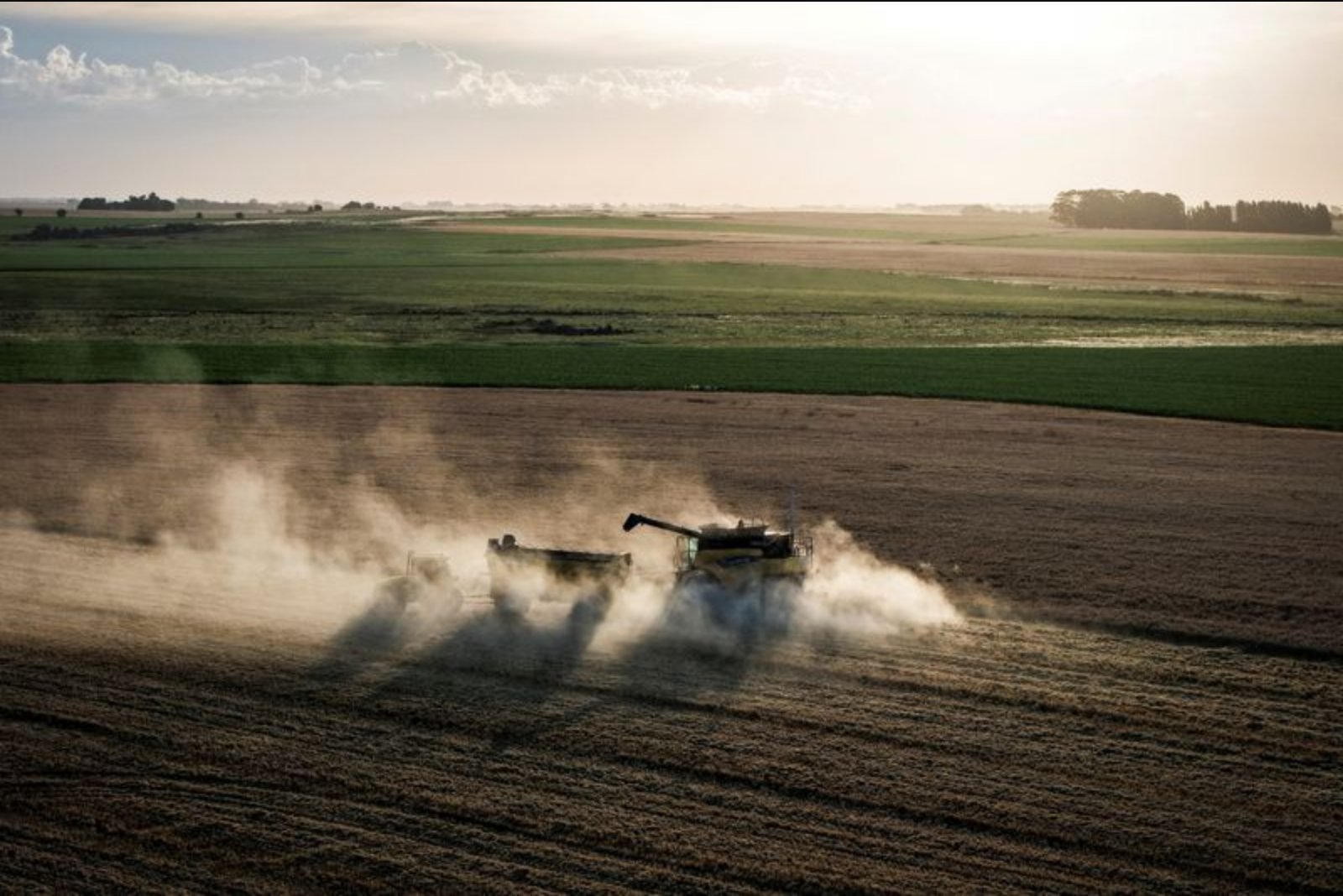
The conflict involving Iran has driven a steep rise in the cost of urea - the nitrogen-rich fertilizer central to Argentina's wheat harvest - presenting producers with difficult choices just weeks before the crop season begins next month.
The price of urea has almost doubled in a little over a month, reaching about $1,000 per ton from roughly $500, according to Gustavo Churín, an analyst who tracks the fertilizer market. Churín linked the surge to a tightening of supply from Persian Gulf producers tied to the war and its effect on trade that moves through the Strait of Hormuz.
Farmers face hard choices
Growers across Argentina are reassessing planting strategies as the increased cost of urea eats into margins. In Pergamino, Buenos Aires province, agricultural producer Roman Gutierrez described the calculation facing many operations: "We did the math the other day and our idea boils down to two options: either we don’t grow wheat and we plant something that will be useful to me for livestock, like barley or oats, or we do it but with very little fertilizer, not thinking about high yields," he said.
In Venado Tuerto, within the productive plains of Santa Fe province, farmers have already begun reducing purchases. Local farmer Noelia Castagnani told reporters that inquiries about fertilizers are scarce and that some producers may pivot from wheat to expand corn or soybean acreage later in the year. "There aren’t that many inquiries about fertilizers," said Castagnani. "The profit margin is very limited."
Urea's role and national usage
Urea supplies nitrogen essential for plant growth and is used not only in wheat but also in corn and other crops. Cristian Russo, head of agricultural estimates at the Rosario grains exchange, emphasized the product's influence on yields, calling urea "the master key that allows you to aspire to other levels of yields." Argentina consumes about 2.5 million tons of urea annually.
The Rosario grains exchange reported that Argentina harvested a record 29.5 million tons of wheat in the previous season. The exchange has not yet released projections for the upcoming harvest.
Market outlook
Analysts caution that any easing of hostilities in the Middle East would not immediately return urea prices to the levels seen before the conflict, though Churín said such a development would provide some relief to tight markets.
The current price environment has immediate implications for farm input purchasing decisions as well as planting intentions, particularly for wheat, where nitrogen applications are closely tied to potential yields. Producers are weighing near-term financial constraints against longer-term productivity goals as they finalize plans ahead of the planting window.
The situation highlights the sensitivity of Argentina's crop economics to international supply disruptions for key inputs and the practical trade-offs farmers confront when input prices spike sharply in a compressed timeframe.