
Orestes Chamizo stands by a scrubby stretch of sand at the Bay of Pigs and points to the precise place where, on April 17, 1961, a brigade of Cuban exiles trained by the United States came ashore. The event remains vivid for him: the failed landing, the pursuit of the survivors who scattered into the surrounding swamp, and the town’s rallying response.
“The mercenaries came in right there,” Chamizo says, describing both the historical encounter and his role in the aftermath. Now 90 years old, he warns that threats from the north - including repeated warnings from former U.S. President Donald Trump and a de facto oil blockade imposed on the island - could lead to another attempt. “I’m 90 years old but if I have to pick up a gun again, I’ll do it without fear,” he says. “The last invasion failed ... and the next one will too.”
Across the Bay of Pigs region, long celebrated within Cuba as a defining triumph of the revolution, interviews with more than two dozen residents document a split between the revolutionary-era generation and the island’s younger population. For many of the older residents, the victory over the U.S.-backed exiles remains a central source of pride. For younger people, however, daily survival in an economy they view as broken often overshadows historical memory.
“Young people here don’t have the same spirit they used to,” says Miguel Piloto Garcia, a 22-year-old barber speaking from his porch a few miles from the landing site. “We want to improve our lives, but right now there’s no future for us.”
Rhetoric from both Havana and Washington has intensified in recent months. While diplomatic contact between the two governments has been acknowledged by both sides, Donald Trump has repeatedly signaled the possibility of military action, including comments such as: “I mean, whether I free it, take it. Think I can do anything I want with it.” Meanwhile, Cuban President Miguel Diaz-Canel has said Cuba does not seek war but has warned the island would defend itself if attacked, deploying a doctrine of irregular warfare that he says would make any incursion untenable.
Cuba’s constitutional and legal framework underpins a broad approach to national defense. The constitution requires youth to undergo military training, with recruitment beginning at 18 years old. Typical service lasts one to two years and includes firearms training as part of the “War of All the People” doctrine codified in Cuba’s National Defense Law, a framework emphasized by Diaz-Canel in a recent interview.
In practice, this preparedness is visible in regular training. Cuban authorities have held nationwide drills every Friday, labeled “National Defense Days,” since the United States in early January invaded Venezuela and deposed former leader Nicolas Maduro. State television has broadcast footage from these exercises showing men and women in urban and rural environments taking aim with rifles, operating Soviet Union-era tanks, flying drones and throwing grenades.
Yet much about Cuba’s armed forces remains opaque to outside observers. There is no public accounting of readiness levels, budgets, weapon inventories or overall capacity, leaving the military’s true strength and logistical state unclear. In a country without public opinion polling, gauging the depth of popular support for the armed forces is likewise difficult.
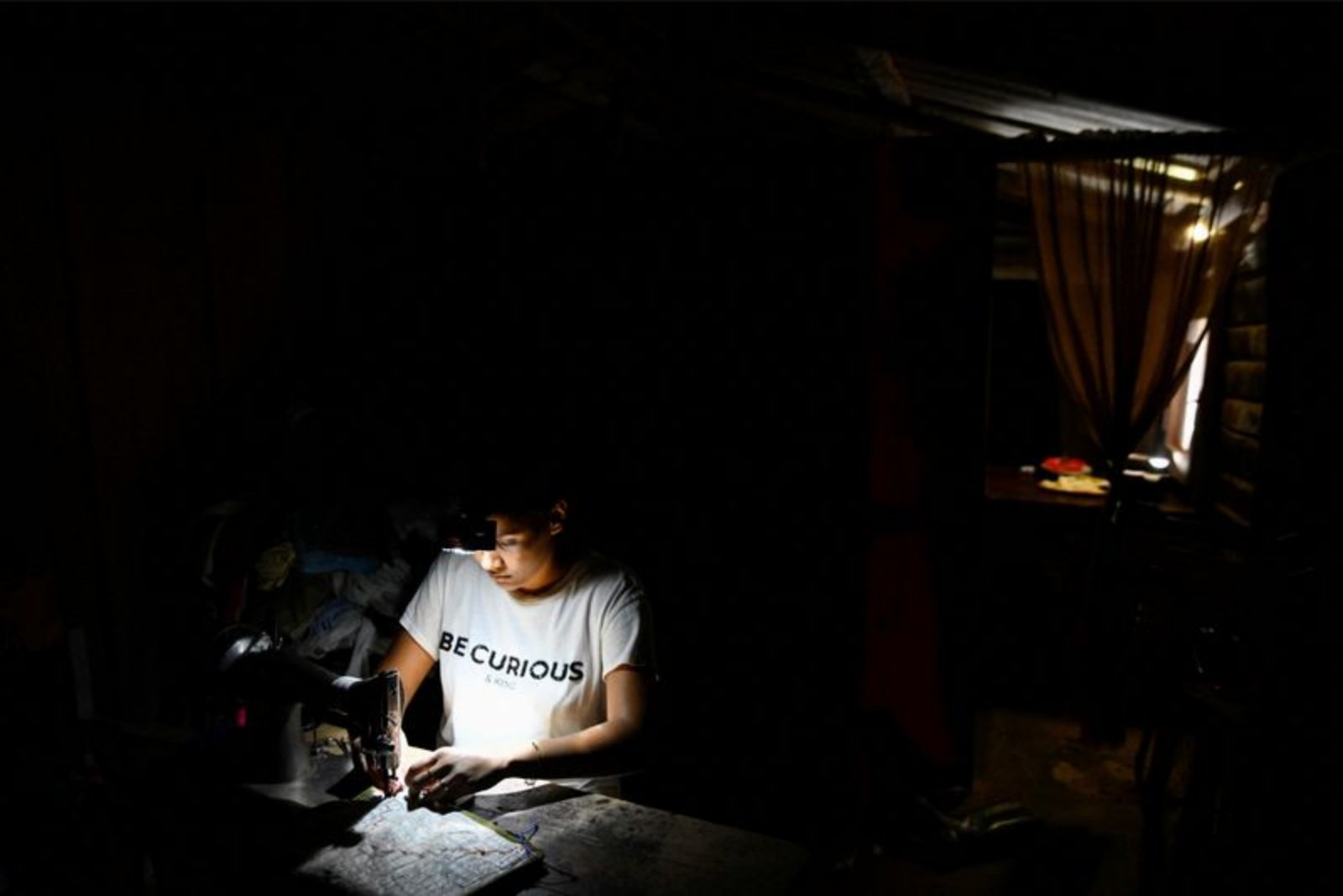
For those living in the Bay of Pigs area, the distance from Havana and the realities of rural life shape perceptions of both the past and present. The community is cut off in material ways: residents contend with 22 hours of blackouts a day and limited access to public transport, cell phone service and internet. These conditions frame daily priorities.
“If the time came to give my life for Cuba, I would, but sometimes I don’t know what to think,” says Yudel Ramos, 30, a fisherman and crab hunter who scavenges for firewood because his salary is insufficient to buy a sack of charcoal. He speaks outside his home in Palpite, a small town near the Bay of Pigs.
Population loss has further altered the island’s social fabric. Between 2020 and 2024, official data from Cuba’s ONEI statistics agency show a registered decline of more than 1.4 million people, representing over 10 percent of the population. Migration has been concentrated among younger cohorts, especially those aged roughly 18 to 30, which has reduced the pool of potential recruits for military service and shifted demographic balances in many communities.
Local veterans express both pride and concern about these changes. Jesus Bernardino Alonso, 87, one of the few Bay of Pigs veterans still living in Palpite, remembers the town mobilizing in 1961. A sign at the town’s entrance commemorates the defeat of the U.S.-trained invaders. Alonso acknowledges that younger people do not always share the same ideals, but maintains that many in his generation remain committed to defending the nation despite the prospect of confronting a superpower.
The contrast between the island’s ceremonially staged preparations and the reality of daily hardship frames a complex picture. On one hand, the state continues to emphasize broad civic involvement in defense and to showcase regular drills. On the other hand, the economic decline, outages and demographic shifts complicate mobilization and feed frustration among the young.
Residents here navigate the tension between historical memory and present-day survival. For some older residents, the Bay of Pigs remains a symbol of national resilience. For younger residents, however, the pressing concerns are food, work and reliable energy. The interplay of those priorities will shape how the community responds to any future escalation in rhetoric or action between Havana and Washington.
Clear summary
Veterans and residents at Cuba’s Bay of Pigs continue to mark the 1961 defeat of U.S.-trained exiles as a defining moment of national pride, even as many younger Cubans contend with severe economic hardship, frequent blackouts and a wave of emigration. Recent threats from the United States and stepped-up Cuban defense drills have revived talk of national defense, but opaque military readiness and domestic struggles complicate the picture.
Key points
- Historical memory remains strong among Bay of Pigs veterans, who see the 1961 landing and its defeat as a symbol of national resilience.
- Economic pressure, including 22-hour daily blackouts in the region and inadequate wages, is a dominant concern for younger residents, prompting migration that reduced Cuba’s population by over 1.4 million between 2020 and 2024 and thinning potential military recruits.
- Heightened rhetoric from both Washington and Havana has coincided with visible Cuban military drills and a legal framework that mandates youth training; however, the military’s actual readiness and resources are not publicly documented.
Risks and uncertainties
- Escalation in rhetoric or actions could strain already fragile local economies and public services in regions like the Bay of Pigs - sectors affected include energy, transportation and local commerce.
- Continued emigration of young people may reduce the labor pool and potential recruits, with implications for public-sector services and national defense capacity.
- Opaque military finances and readiness create uncertainty about Cuba’s actual defensive capabilities, complicating assessments for policymakers and markets focused on regional stability.
Disclosure