
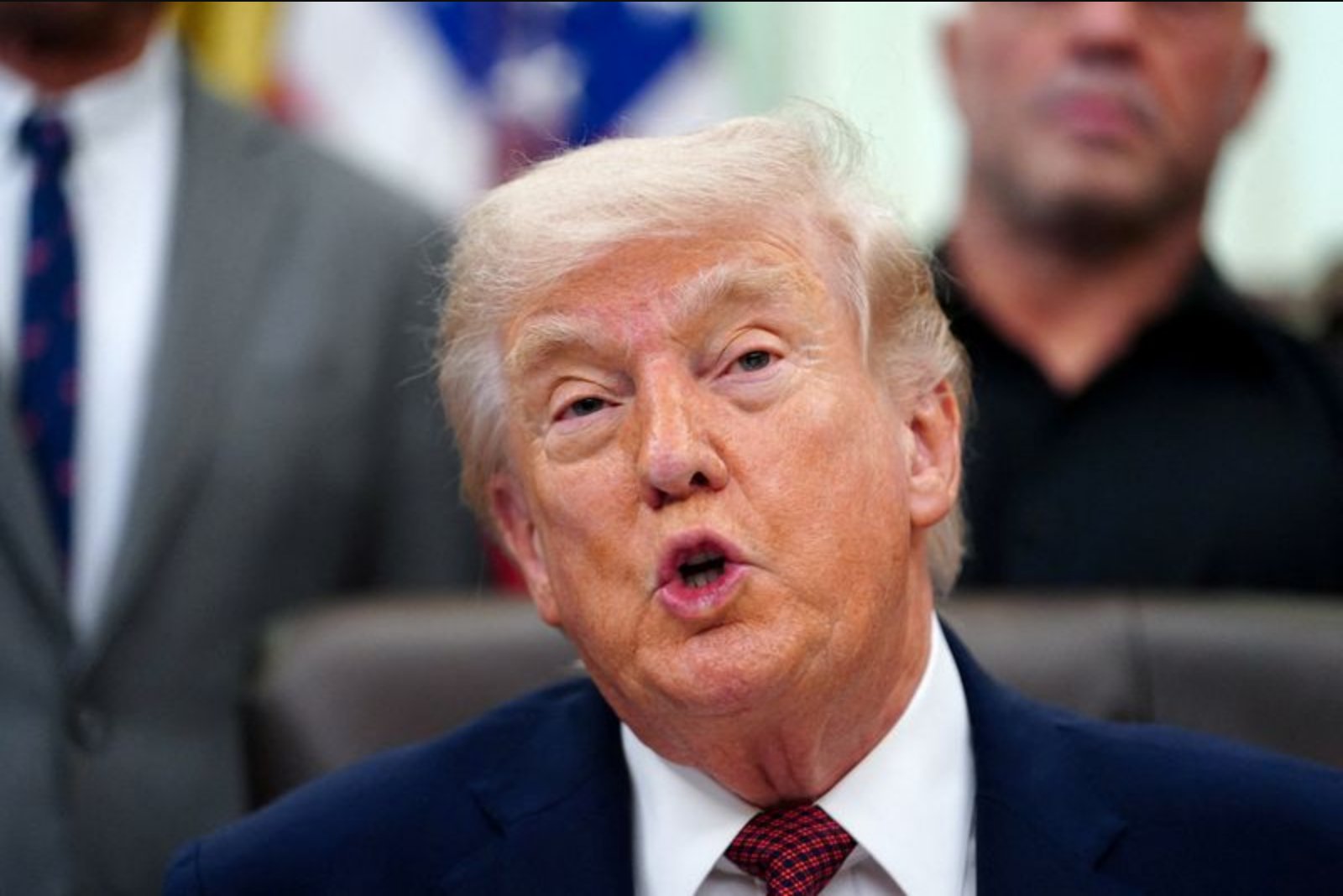
President Donald Trump on Monday dismissed an assessment from the nation’s top energy official that gasoline prices would not fall until 2027, instead telling reporters that lower pump prices will materialize "as soon as this ends" - referring to the ongoing conflict with Iran. The exchange highlighted a public divergence in messaging within the administration ahead of critical political timelines.
On Sunday, Energy Secretary Chris Wright told CNN that while gasoline dipping below $3 a gallon "could happen later this year, that might not happen until next year." Speaking separately to a reporter from The Hill, the president said of that outlook: "I think he’s wrong on that. Totally wrong." Wright, also on CNN, acknowledged that "with the resolution of this conflict, you’ll see prices go down," but neither the secretary nor the president pointed to a specific timeline for such a resolution.
The conflict remains unsettled. A fragile ceasefire is scheduled to expire shortly, and the prospects for another successful round of peace talks are unclear. Meanwhile, Iran has shuttered the Strait of Hormuz, a principal shipping channel for seaborne oil, as the war that began after U.S. and Israeli strikes on Iran on February 28 moves into its second month. Oil markets have responded: oil prices rose about 5% globally on Monday.
Domestic gasoline costs have already risen sharply. According to an estimate from AAA, the national average for a gallon of regular gasoline on Monday stood at $4.04, up from $3.15 a year earlier. Higher fuel prices have rippled through the economy, contributing to increased costs for airline tickets, housing, fertilizer and groceries, among other goods and services.
The political context compounds the economic pressure. Trump and other Republicans face scrutiny ahead of November’s midterm elections after promising to reduce costs for American consumers. With months of campaigning remaining, persistent high gasoline prices, rising inflation and softer approval ratings are weighing on the party’s standing. The president has at times suggested prices could remain elevated through November, while Treasury Secretary Scott Bessent last week said he expected retail gasoline to fall into the $3 per gallon range this summer.
The administration’s mixed signals underline the uncertainty surrounding when and how quickly energy prices might normalize. For now, market moves, shipping disruptions and a tenuous ceasefire leave outcomes dependent on diplomatic and military developments that are, as officials acknowledge, far from settled.