
Overview
European natural gas markets retraced part of last week’s declines on Monday, as traders and investors weighed lingering doubts about the durability of a two-week ceasefire between the U.S. and Iran and the prospects for further negotiations. The market response reflected caution about whether diplomatic efforts will translate into sustained stability for key maritime routes and energy infrastructure.
Price snapshot
At 08:41 ET (12:41 GMT), the benchmark Dutch front-month contract at the TTF hub had fallen 3.7% to 40.17 euros per megawatt hour (MWh), according to Intercontinental Exchange data. That figure came amid a volatile session in which earlier declines were partially reversed as participants re-evaluated geopolitical developments.
Diplomatic uncertainty
Uncertainty on Monday centered on whether a temporary halt to hostilities between Washington and Tehran will be extended. The two-week pause is due to expire later this week. The situation intensified after a U.S. seizure of an Iranian-flagged vessel, an action that prompted Tehran to threaten retaliation.
U.S. President Donald Trump said envoys from Washington were scheduled to arrive in Pakistan for another round of talks with Iran. In contrast, Iranian authorities rejected taking part in a second meeting with the U.S., with state news agency IRNA quoting Tehran as saying U.S. negotiators had made "excessive demands" and shown "constant shifts in stance" and "repeated contradictions." Iran also cited an ongoing naval blockade as a violation of the ceasefire. Separately, Axios reported that Iran suspects the U.S. may be preparing a surprise attack.
Maritime routes and supply disruptions
The latest developments reversed some of the optimism that emerged late last week, when both the U.S. president and Iran's foreign minister had said the Strait of Hormuz - a vital chokepoint for a fifth of the world's oil - had been reopened to tanker traffic. Iran has since declared the Strait of Hormuz closed again, raising fresh concerns about the security of oil flows through the waterway.
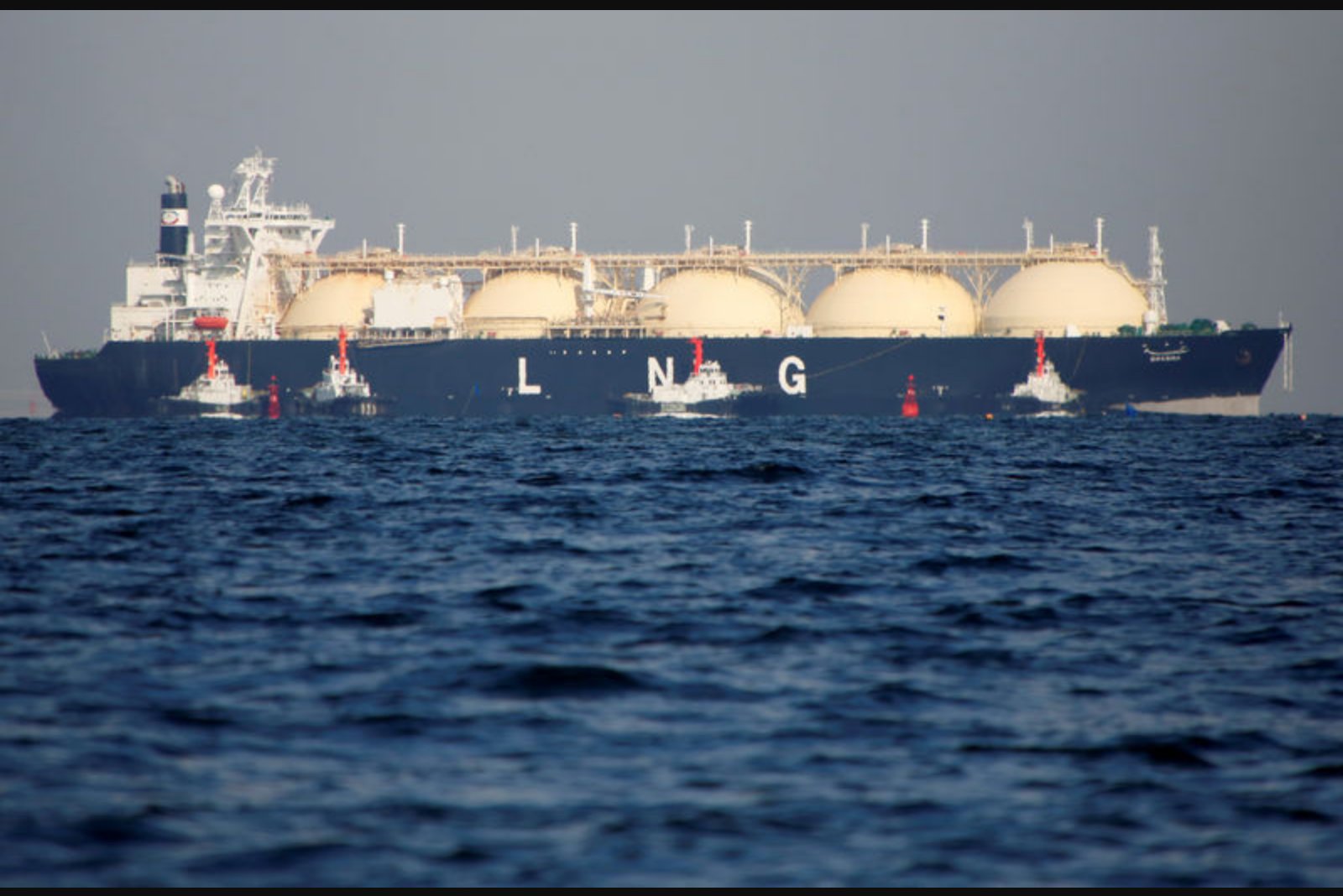
Beyond the Strait, Europe’s gas supplies have been weakened by attacks on energy infrastructure in the region, with production facilities in Qatar singled out as among those affected. These disruptions have contributed to elevated global gas prices and have left EU benchmark gas levels well above pre-war readings.
Demand dynamics
Despite the supply-side pressures, Monday’s price gains were relatively modest. Subdued demand from Asia has eased some of the strain on European gas inventories, providing limited support to the market and tempering sharper upward moves in prices.
What remains unclear
Market participants continue to monitor the outcome of diplomatic efforts and the trajectory of hostilities. With the two-week pause approaching its end, the balance between geopolitical risk and demand-side moderation will likely determine near-term price action.
This article presents reported market movements and diplomatic developments without speculation beyond the cited statements and data.