
Stop-go dynamics in the Gulf returned to the forefront of market attention on Monday after apparent progress at the end of last week gave way to fresh confrontation. Over the weekend Tehran shifted from allowing traffic through the Strait of Hormuz - effectively a green light - back to a red light, citing the United States' ongoing blockade of Iranian ports. The situation escalated as Iranian troops fired on tankers and the U.S. seized an Iranian cargo ship.
Markets and the two governments involved remain unclear about the precise terms of whatever understanding briefly existed on Friday to permit transit. That uncertainty is reverberating through commodity and financial markets as participants try to price the prospect of disruption to a major oil chokepoint.
Diplomacy and the ceasefire timeline
Diplomatic activity could increase this week, with U.S. envoys reported to be heading to Islamabad on Monday for talks. Tehran, however, has said it will not take part in those discussions. The sides are operating under a two-week ceasefire that is scheduled to expire on Wednesday, adding a discrete timeline to the political risk facing markets.
Oil market moves
Commodity markets reacted swiftly to the ebb and flow of the weekend developments. Crude recorded a sharp 9% decline on Friday before bouncing about 5% on Monday. Even after the rebound, benchmark crude prices remain under $100 per barrel. Maritime activity through the strait showed some resilience on Saturday, when roughly 20 ships passed through - the highest daily count since March 1.
Despite intermittent transits, analysts caution that normalisation of flows will be neither immediate nor guaranteed. ROI Energy Columnist Ron Bousso wrote that, even if hostilities subside, restoring tanker movements and Gulf loading routines to pre-crisis levels will likely require a full rebalancing of the global tanker fleet and could take at least eight to 12 weeks under benign conditions - with the caveat that recovery may stretch into months or years.
Risk tolerance in equity markets
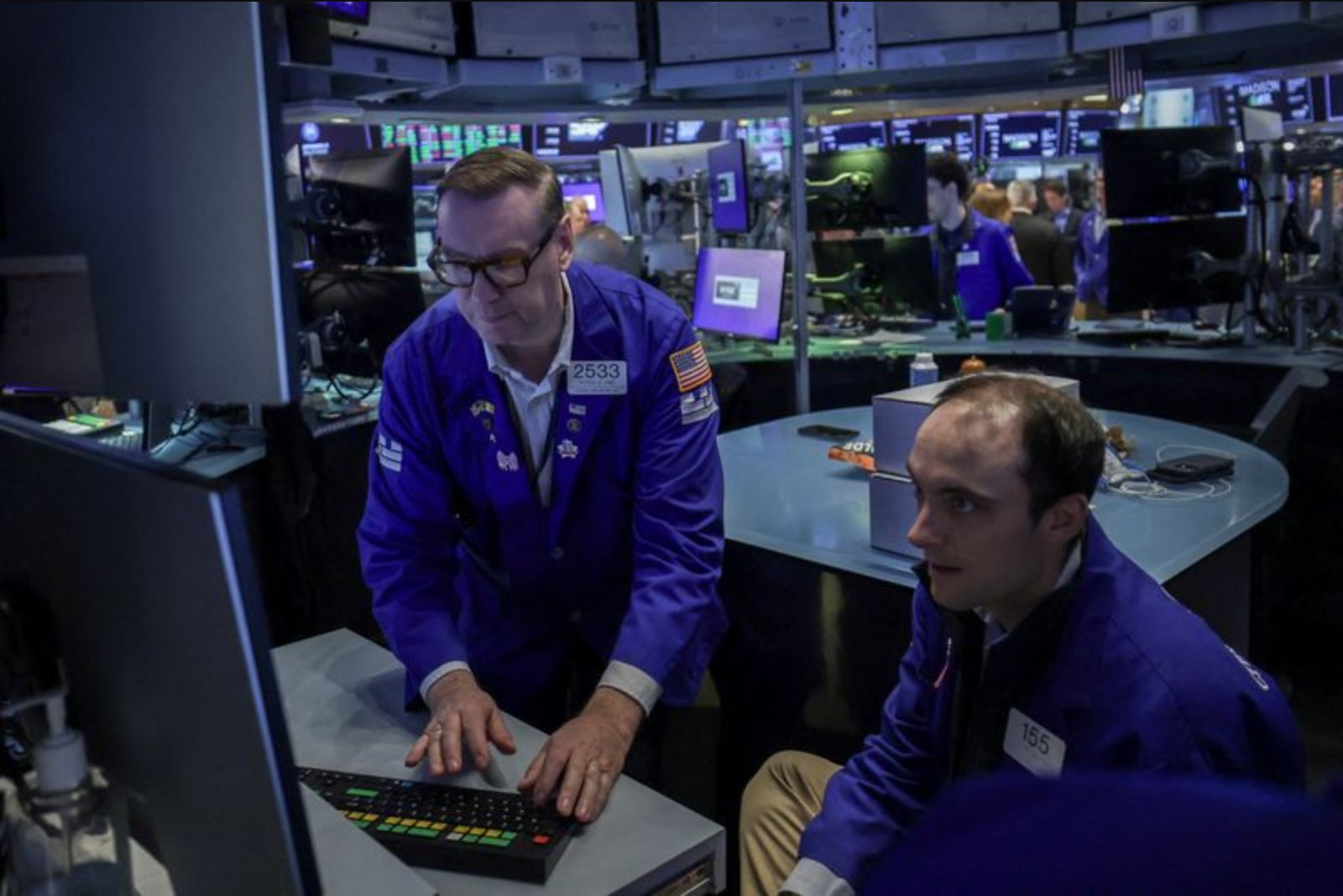
Equity investors in Asia appeared to treat the weekend events with more equanimity than in past episodes. Regional markets may be factoring in Wall Street's strong finish on Friday, when the major U.S. indices rose by more than 1%. The Nasdaq registered its 13th consecutive day of gains - a streak not seen since 1992 - suggesting that tech optimism is partially offsetting geopolitical concerns, or may even be partly powered by them.
Tesla is set to report first-quarter earnings on Wednesday, becoming the first of the so-called Magnificent Seven to publish results. Corporate earnings from major technology names are a focal point for momentum in equities even as European shares slipped early on Monday, Wall Street futures inched lower, and the dollar strengthened.
Wider policy and political developments
China left its key interest rates unchanged on Monday, a decision markets noted alongside the other sources of uncertainty. In Britain, political pressure is mounting on Prime Minister Keir Starmer. He is due to address Parliament later in the day over what he did - or did not - know about the security vetting of former U.S. ambassador Peter Mandelson, who was sacked last September over links to the late sex offender Jeffrey Epstein. Market participants appear more concerned about the possibility of Mr. Starmer being unseated by his own party than about an early election.
Immediate items to watch
- Canada's March consumer price index, scheduled for 8:30 a.m. EDT.
- Arrival of U.S. envoys in Islamabad for reported talks related to the ceasefire.
For investors and risk managers, the unfolding developments present a layered set of considerations. Energy and shipping markets face direct exposure to disruptions in the Strait of Hormuz. Equity markets are balancing technology-driven momentum against geopolitical shocks and political risk in the UK. Currency markets are responding to a mix of safe-haven demand and policy signals from major central banks.
Opinions in this piece reflect the assessment of the author and are intended to inform readers about current market-moving developments.