
Global aviation remains highly disrupted, with the closure of major Middle Eastern hubs - including Dubai, Doha and Abu Dhabi - following the Iran war continuing to force widespread cancellations and schedule changes. Airlines from Europe, Asia, North America and the Middle East have announced suspensions and route reductions, with many carrier-specific adjustments carrying firm end dates or temporary restart windows.
Carrier-by-carrier operational status
Aegean Airlines has cancelled services to Riyadh and Amman through June 27 and suspended flights to Tel Aviv and Beirut until June 26. Routes to Erbil and Baghdad remain cancelled until July 2, and its Dubai services are halted until June 29.
airBaltic has suspended flights to Tel Aviv through May 31 and will not operate flights to Dubai until October 24.
Air Canada has cancelled its Tel Aviv and Dubai services until September 7.
Air Europa has paused flights to Tel Aviv until May 31.
Air France-KLM has implemented separate suspensions for its two network airlines: Air France has suspended Tel Aviv, Beirut, Dubai and Riyadh flights through May 3, while KLM has suspended services to Riyadh and Dammam until May 17 and to Dubai until June 14.
Cathay Pacific has suspended passenger services to Dubai and Riyadh until June 30. Its cargo freighter operations to those two Gulf cities are suspended through May 31. To respond to stronger demand to Europe, Cathay plans additional passenger flights to London, Paris and Zurich during April and intends to operate its full scheduled network beyond June.
Delta Air Lines has cancelled its New York-Tel Aviv flights and pushed back the restart of its Atlanta-Tel Aviv service until September 5. The carrier has also delayed the planned launch of a Boston-Tel Aviv route, originally scheduled for late October, until further notice.
El Al Israel Airlines reports a gradual expansion of operations and, from April 27, expects to serve roughly 40 active gateways.
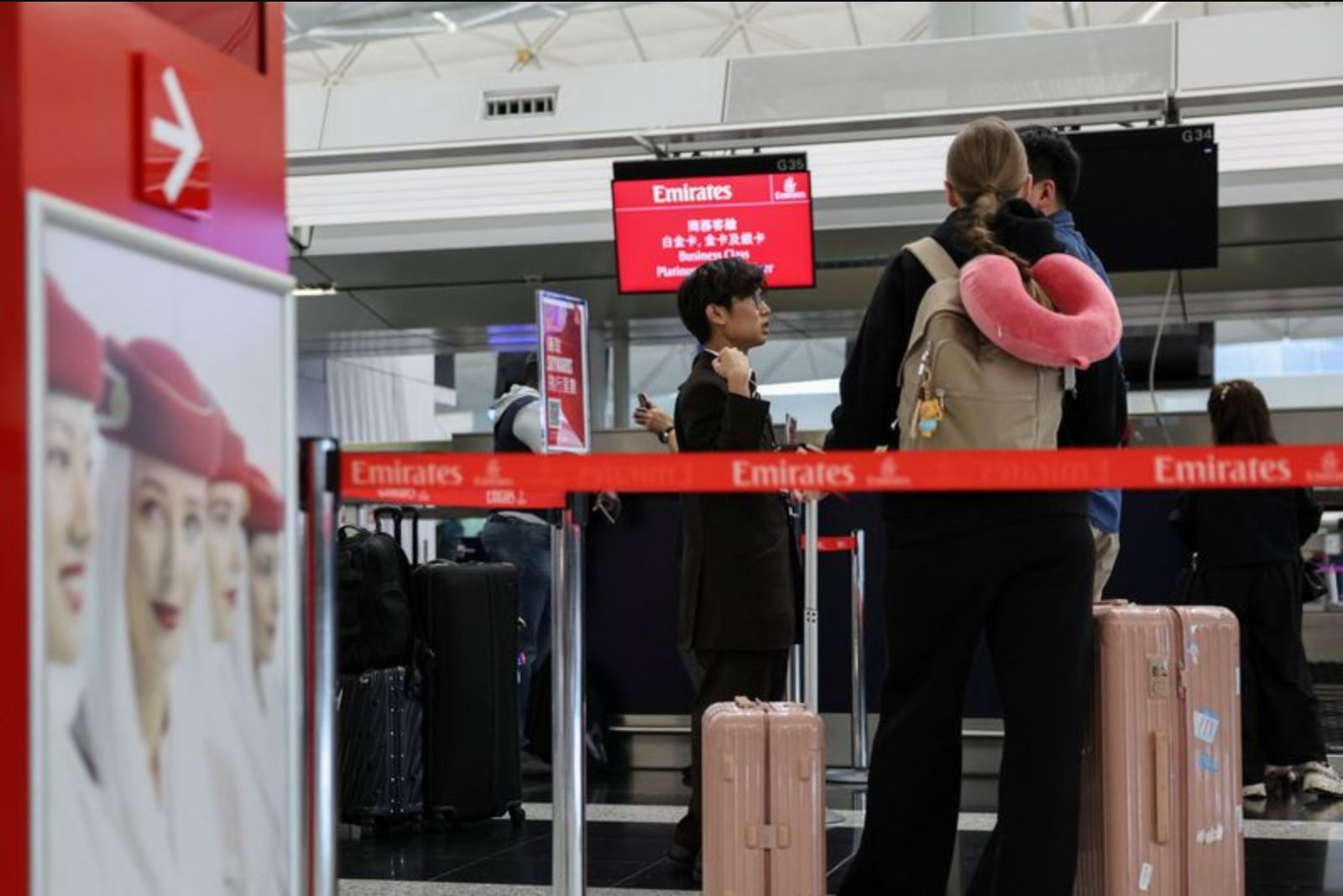
Emirates is operating a reduced schedule and is flying to more than 100 destinations under that constrained plan.
Etihad Airways is maintaining a commercial schedule between Abu Dhabi and about 80 destinations.
Finnair has cancelled its Doha services until July 2 and continues to avoid the airspace of Iraq, Iran, Syria and Israel. The airline will only resume Dubai flights in October.
IAG said British Airways will cut back Middle East flights when services resume, permanently drop Jeddah as a destination and redirect capacity toward India and Africa. From July 1, BA aims to reduce Dubai, Doha and Tel Aviv services to one daily flight, and to trim Riyadh services from two daily flights to one beginning in mid-May. These adjustments are set for the summer season ending October 24, with one Dubai service scheduled to restart on October 16. IAG’s Iberia Express has cancelled Tel Aviv flights through May 31.
Japan Airlines has suspended Tokyo-Doha flights until May 10 and Doha-Tokyo services until May 11, while adding an extra Tokyo-London flight on April 25.
LOT Polish Airlines suspended Tel Aviv flights until May 31, cancelled Riyadh services until June 30 and paused Beirut flights from March 31 to May 30. It plans to restore a winter route to Dubai in October.
Lufthansa Group carriers - including Lufthansa, Swiss, Austrian Airlines, Brussels Airlines and Edelweiss - have suspended flights to Dubai and Tel Aviv until May 31 and extended suspensions to Abu Dhabi, Amman, Beirut, Dammam, Riyadh, Erbil, Muscat and Tehran through October 24. Lufthansa Cargo mirrors these suspensions, except its Tel Aviv pause is scheduled through April 30. Within the wider group, ITA Airways has extended suspensions to and from Tel Aviv and Riyadh until May 10 and suspended Dubai flights until May 31. Low-cost Eurowings plans to suspend Tel Aviv, Beirut and Erbil services through April 30 and to keep Dubai, Abu Dhabi and Amman suspended through October 24.
Malaysia Airlines has suspended Doha services until June 14.
Norwegian Air has delayed launches of planned Tel Aviv and Beirut services until June 15.
Pegasus Airlines has cancelled flights to a wide set of regional destinations - including Iran, Iraq, Amman, Beirut, Kuwait, Bahrain, Doha, Dammam, Riyadh, Dubai, Abu Dhabi and Sharjah - through June 1.
Royal Air Maroc reported cancellations to Doha until June 30 and to Dubai until May 31.
Qantas is adding capacity to European routes to meet higher demand, increasing Paris services to five return flights per week (from three) and boosting the Perth-Singapore service from daily to 10 flights per week. The updated schedule will be phased in from mid-April and run until late July, with additional Rome services also added.
Qatar Airways said it will expand its international network and operate services to more than 150 destinations from June 16.
Singapore Airlines extended the suspension of its Singapore-Dubai flights until May 31 while adding services on the Singapore-London Gatwick and Singapore-Melbourne routes from late March through October 24 to address increased demand.
Turkish Airlines / SunExpress - SunExpress, the joint venture with Lufthansa - has cancelled flights to Dubai until April 30.
Wizz Air delayed the return of flights to Israel until May 4 and will suspend flights to Dubai, Abu Dhabi and Amman from mainland European airports until mid-September. It also suspended all flights to Medina indefinitely.
Operational themes and demand responses
Across the network changes, airlines are combining multi-week or multi-month suspensions with targeted capacity additions on other international routes to absorb displaced demand. Cathay Pacific and Qantas, for example, have announced extra services to Europe, while Singapore Airlines has added capacity on Gatwick and Melbourne routes over an extended period. A number of carriers have explicitly cited summer scheduling changes, with IAG setting revised frequency levels through the summer season ending October 24 and several carriers deferring restarts until October for Dubai operations.
Advertising mention
The article also includes a promotional segment referencing an AI-based stock evaluation tool that evaluates LHAG alongside other companies using over 100 financial metrics and lists past winners. That segment posed investment-related questions and included a brief sales line; it does not alter the reporting on airline operations above.