
Canada's headline inflation rate accelerated to 2.4% in March, a marked increase from the 1.8% recorded the month prior, Statistics Canada reported on Monday. On a month-over-month basis, the Consumer Price Index climbed 0.9%, or 0.5% after adjusting for seasonal variation.
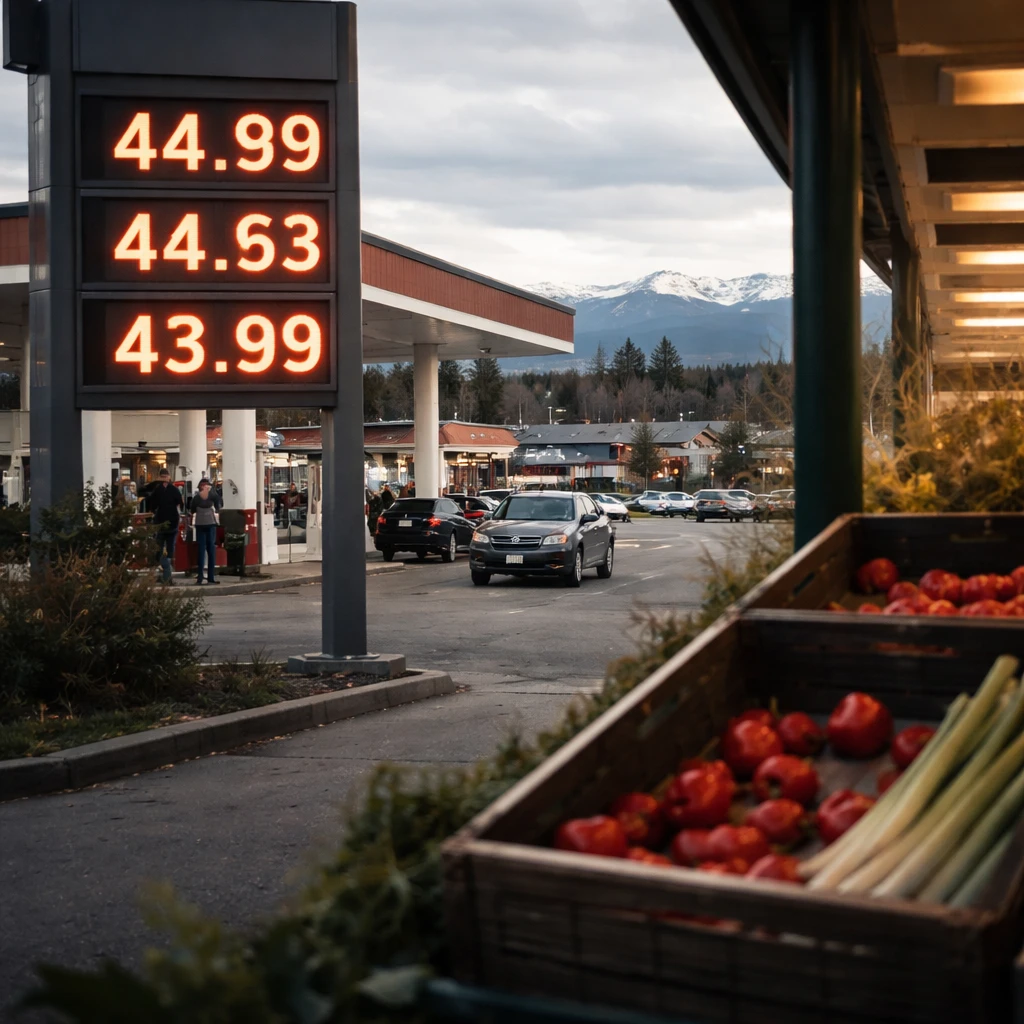
The dominant factor behind the rise was a dramatic jump in energy prices, tied to continuing geopolitical instability in the Middle East. Gasoline alone surged 21.2% in March - the largest monthly increase for the fuel on record - and accounted for most of the headline move.
When the volatile gasoline component is stripped out, underlying inflationary momentum appeared to ease. Excluding gasoline, the CPI increased at a slower year-over-year pace of 2.2% in March, down from 2.4% in February.
Food costs provided an additional upward contribution. Prices for store-bought food rose 4.4% year-over-year, with fresh vegetables up 7.8% as adverse growing conditions in producing countries limited supplies of peppers and celery.
Economists said the headline number was slightly below consensus expectations even as monthly inflation accelerated sharply. Andrew Grantham of CIBC Economics observed that "everyone knew that inflation jumped in March due to higher gasoline prices, the only question remaining was how high?"
Core inflation measures remained comparatively muted, a dynamic that could allow monetary authorities to maintain their current policy stance. Grantham argued that existing economic slack "should prevent those measures from reaccelerating too much, enabling the Bank of Canada to remain on the sidelines through 2026."
Additional downward influence on headline inflation persists because of base-year effects connected to the expiry of the 2025 federal tax holiday. Statistics Canada confirmed that "March 2026 will be the final month affected by a base-year effect due to the GST/HST break."
Regional figures showed price growth accelerated across all provinces, though Quebec recorded the most restrained increase among them. Looking forward, analysts expect continued energy-price pressures to push headline inflation nearer to the 3% mark in April.
Implications and context
The March print highlights the outsized role that energy cost volatility can play in headline inflation while underlining a divergence between headline and core readings. For consumers and businesses, sharp gasoline moves translate into immediate cost-of-living and operating-cost pressures, even as broader domestic price pressures remain relatively tame.
For policymakers, the mix of a gasoline-driven headline uptick, cooler underlying measures, and base-year downward effects frames the near-term decisions facing the Bank of Canada and market participants.