
Overview
Iran's lead negotiator said last weekend's meetings with U.S. counterparts produced progress but left important differences unresolved, particularly around nuclear arrangements and the status of the Strait of Hormuz. At the same time, the U.S. president described the conversations as "very good" while warning Tehran against what he called "blackmail" regarding the key maritime chokepoint.
Negotiations: movement but distance remains
Mohammad Baqer Qalibaf, Iran's chief negotiator, told state media that talks had advanced but "there is still a big distance between us." He said both sides retained firm positions on certain matters, characterizing them as a small number of issues but ones on which each side had red lines. No specific details were provided on the outstanding items.
U.S. officials likewise offered little specificity. The president said the United States was engaged in "very good conversations" but did not elaborate on the content of the proposals or concessions under discussion.
Strait of Hormuz: reopening, closure and renewed control
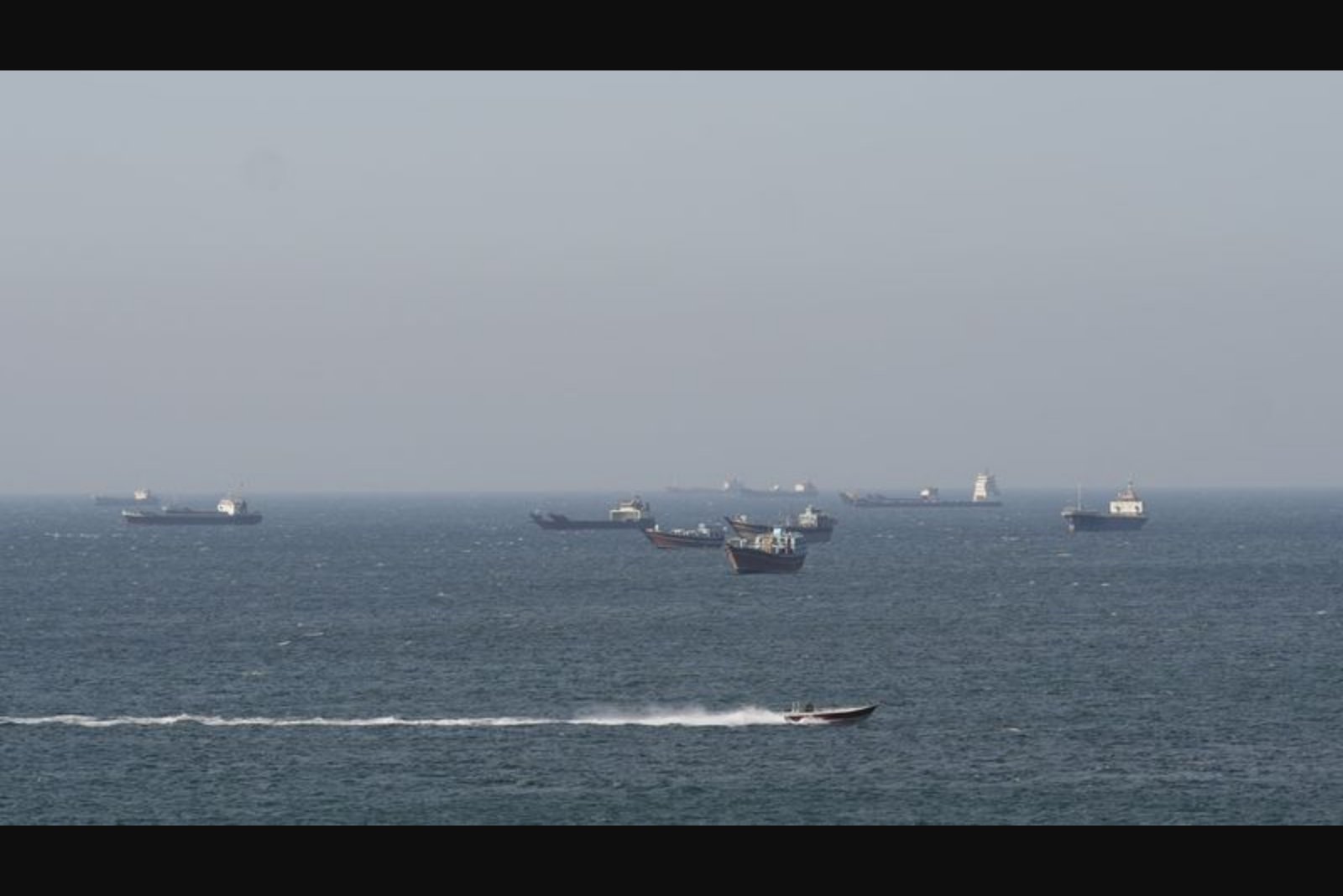
The situation in the Strait of Hormuz has shifted repeatedly in the days surrounding the Islamabad talks. On Friday, Iran announced a temporary reopening of the strait following a separate, U.S.-brokered 10-day ceasefire agreement between Israel and Lebanon. On Saturday, Tehran reversed course and again asserted control over the waterway, closing the energy choke point and adding fresh uncertainty to the conflict that began with U.S. and Israeli military action on February 28.
Iran stated that its move responded to what it called an ongoing U.S. blockade of Iranian ports, which Tehran described as a violation of the ceasefire. The country's Supreme National Security Council said Tehran's control of the strait included demands for payment of costs tied to security, safety and environmental protection services, according to state media.
Supreme Leader Ayatollah Mojtaba Khamenei said Iran's navy was prepared to deal "new bitter defeats" to its enemies, a statement that was reported alongside Tehran's declaration of control. The United States president denounced the move as "blackmail" while still speaking positively about the negotiations.
Maritime incidents and diplomatic fallout
Concern grew after at least two vessels reported being attacked while attempting to transit the strait. India summoned the Iranian ambassador in New Delhi after two Indian-flagged ships reportedly came under fire, the Indian government said.
U.S. Central Command confirmed that American forces were enforcing a maritime blockade of Iran but declined to comment on Tehran's latest actions.
Proposals on the table and the next steps
Participants familiar with the Islamabad meetings said the United States proposed a 20-year suspension of all Iranian nuclear activity, while Iran offered a shorter pause of three to five years. Iran's deputy foreign minister, Saeed Khatibzadeh, said no date had been set for the next round of talks and that a framework of understanding would need to be agreed first.
The president indicated there could be further talks over the weekend and said the sides were "very close to making a deal," but there were no visible preparations for another meeting in the Pakistani capital as of Saturday. The Islamabad discussions were described as the highest-level U.S.-Iran negotiations since 1979 and concluded without an agreement.
Domestic political pressures and market moves
Pressure to find an exit from the conflict is intensifying as the U.S. president's political allies defend narrow majorities in Congress ahead of the November midterm elections. High U.S. gasoline prices, rising inflation and lower approval ratings were cited as compounding forces increasing the urgency for a resolution.
Markets reacted swiftly to the oscillation in maritime status. Oil prices fell roughly 10% and global equity markets rallied on Friday after the prospect of resumed marine traffic through the strait improved. Still, hundreds of vessels and about 20,000 seafarers remain stranded in the Gulf awaiting passage, shipping sources said.
Implications and watch points
The combination of substantial proposals at the negotiating table and a renewed Iranian assertion of control over a critical maritime chokepoint creates a complex environment. Key elements to monitor include whether a framework for further negotiations is formalized, whether the strait remains closed or reopens for sustained commercial traffic, and whether attacks on ships continue or escalate.
Senior national security aides convened at the White House on Saturday, and later the president visited his golf club accompanied by one of his lead envoys on Iran, signaling continued high-level engagement even as talks remained stalled.