
Commodities April 16, 2026 08:20 PM

Panama Canal Authority Rejects Characterization of $4 Million 'Queue-Jump' as Standard Fee

Authority says recent high auction outcome reflects temporary market shifts amid increased traffic tied to Iran conflict, not a Panama Canal rate

By Derek Hwang
Panama Canal Authority Rejects Characterization of $4 Million 'Queue-Jump' as Standard Fee

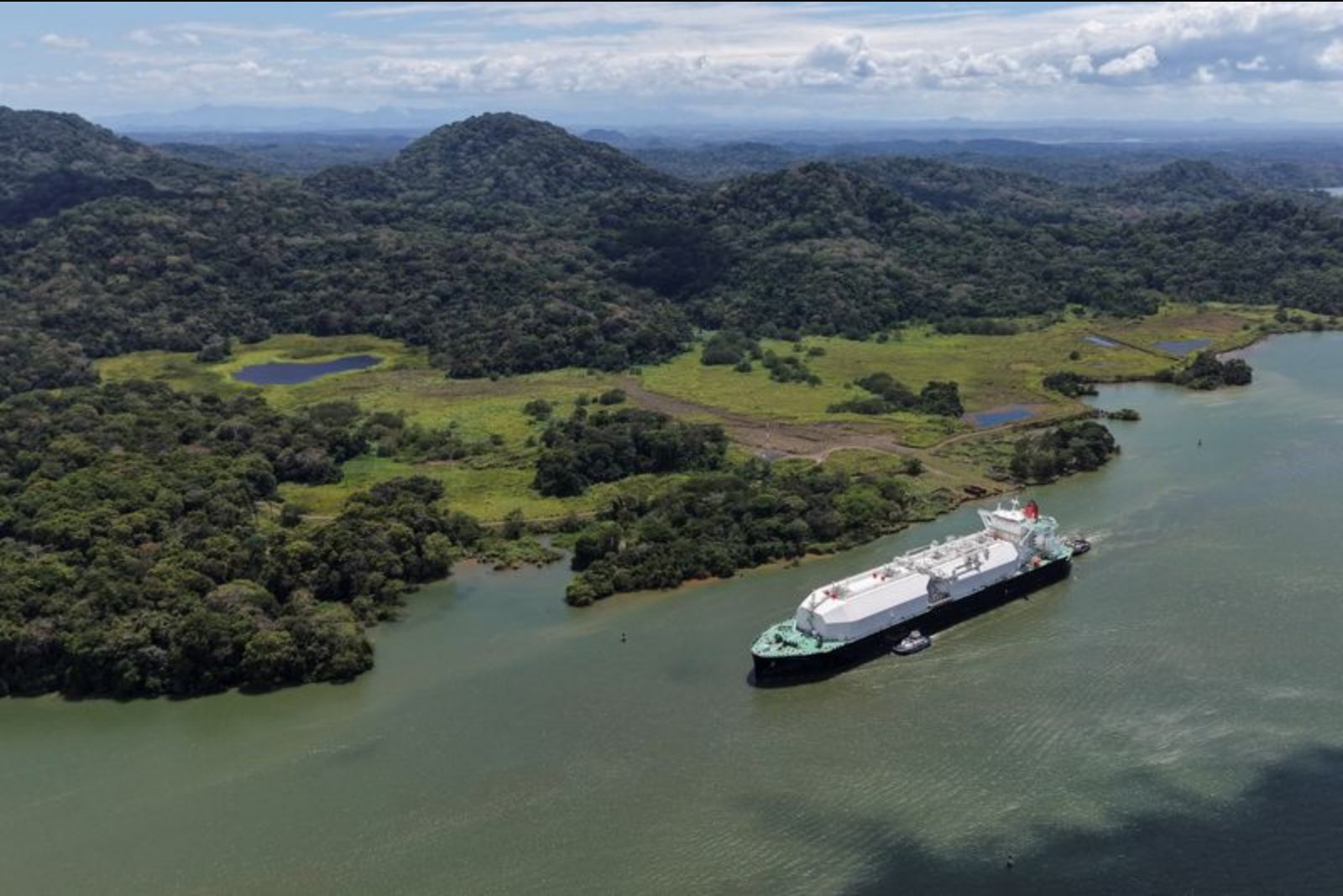
The Panama Canal Authority said a recent auction outcome that reportedly awarded priority transit to an LPG ship for $4 million reflected temporary market pressures rather than a fee imposed by the canal. The authority emphasized auctions are one of several tools for securing transit and noted congestion and higher transits as trade routes adjust amid the Iran war.

Key Points

  • Panama Canal Authority says a reported $4 million auction outcome reflects temporary market conditions rather than a canal-imposed fee. - Impacted sectors: shipping, energy, commodities.
  • Auctions are one of multiple mechanisms available to secure transit slots and are typically used for last-minute certainty; auction prices are influenced by urgency, freight rates, bunker costs and global supply-demand dynamics. - Impacted sectors: shipping, logistics, fuel suppliers.
  • Canal activity has increased: 6,288 oceangoing transits in the first half of fiscal 2026 (up 3.7% year-on-year); daily averages of 34 in January and 37 in March, with peak days above 40 transits. - Impacted sectors: trade routes, exporters, importers.

The Panama Canal Authority sought to clarify the nature of a high-value auction result on Thursday, saying the transaction reflected short-term market dynamics rather than a new or fixed charge levied by the waterway.

In a statement, the authority did not confirm the precise amount reported in media accounts but said the recent auction - widely reported as resulting in a $4 million payment to an LPG vessel for faster passage - was driven by temporary shifts in market conditions rather than a canal-set rate.

The authority emphasized that auction outcomes are shaped by a range of commercial variables, including customers' urgency, individual commercial priorities, prevailing freight rates, bunker prices and global supply-and-demand balances. It said auctions represent only one mechanism among several that customers can use to secure a transit slot, and they tend to be used chiefly by customers seeking last-minute certainty.

A Bloomberg News report on Thursday said one vessel had paid $4 million in a recent auction to obtain faster passage as congestion on the waterway has worsened. The Canal Authority responded by stressing the transactional and market-driven nature of such outcomes.

Traffic through the canal has risen as the Iran war disrupts trade flows and pushes buyers to seek alternative sources, the authority said, adding that these shifts have boosted shipments from the United States to Asia and other destinations. Despite the volatility in global trade and heightened geopolitical tensions, the authority said it was continuing to operate reliably.

The authority also noted a technical caveat in its published wait-time data, warning that the system can overstate actual delays. Specifically, the metric counts vessels that arrive before their reserved transit window as waiting, even when they have arrived early and are not experiencing a delay that would prevent their scheduled transit.

Operational figures published by the authority showed that, as of Thursday, 102 vessels held reservations to transit the canal while 25 vessels were waiting without booked slots. In the first half of fiscal 2026 the canal recorded 6,288 oceangoing vessel transits, a rise of 3.7% compared with the same period a year earlier.

Daily averages were reported at 34 vessels in January and 37 in March, with peak days exceeding 40 transits. These figures underscore an uptick in activity as trade routes respond to current geopolitical pressures and customer sourcing decisions.


Summary - The Panama Canal Authority said a high-value auction outcome was the result of temporary market conditions, not a fee set by the canal, while reporting higher transit volumes amid disruptions tied to the Iran war.

Risks

  • Market-driven auction outcomes may spike during periods of heightened urgency, potentially raising costs and introducing volatility for shippers and energy traders. - Affected sectors: shipping, energy, commodities.
  • Reported wait-time metrics can overstate actual delays because the system counts vessels that arrive before their reserved window as waiting, which could distort operational planning for carriers and cargo owners. - Affected sectors: logistics, carriers, freight forwarders.
  • Rising traffic tied to shifts in supply sourcing amid the Iran war increases congestion risk, which may lead to more last-minute demand for priority slots and greater price sensitivity in auction mechanisms. - Affected sectors: shipping, exporters to Asia, suppliers of bunker fuel.

More from Commodities

Investors Shrug as Middle East Tensions Fail to Halt Markets Apr 17, 2026 Spike in Urea Costs from Iran Conflict Puts Argentine Wheat Plans at Risk Apr 17, 2026 Gold retreats slightly as ceasefire hopes buoy weekly gains Apr 16, 2026 Oil Retreats as Ceasefire and Possible U.S.-Iran Talks Ease Supply Concerns Apr 16, 2026 Oil Retreats on Israel-Lebanon Ceasefire, Hopes Rise for Wider Middle East Detente Apr 16, 2026