
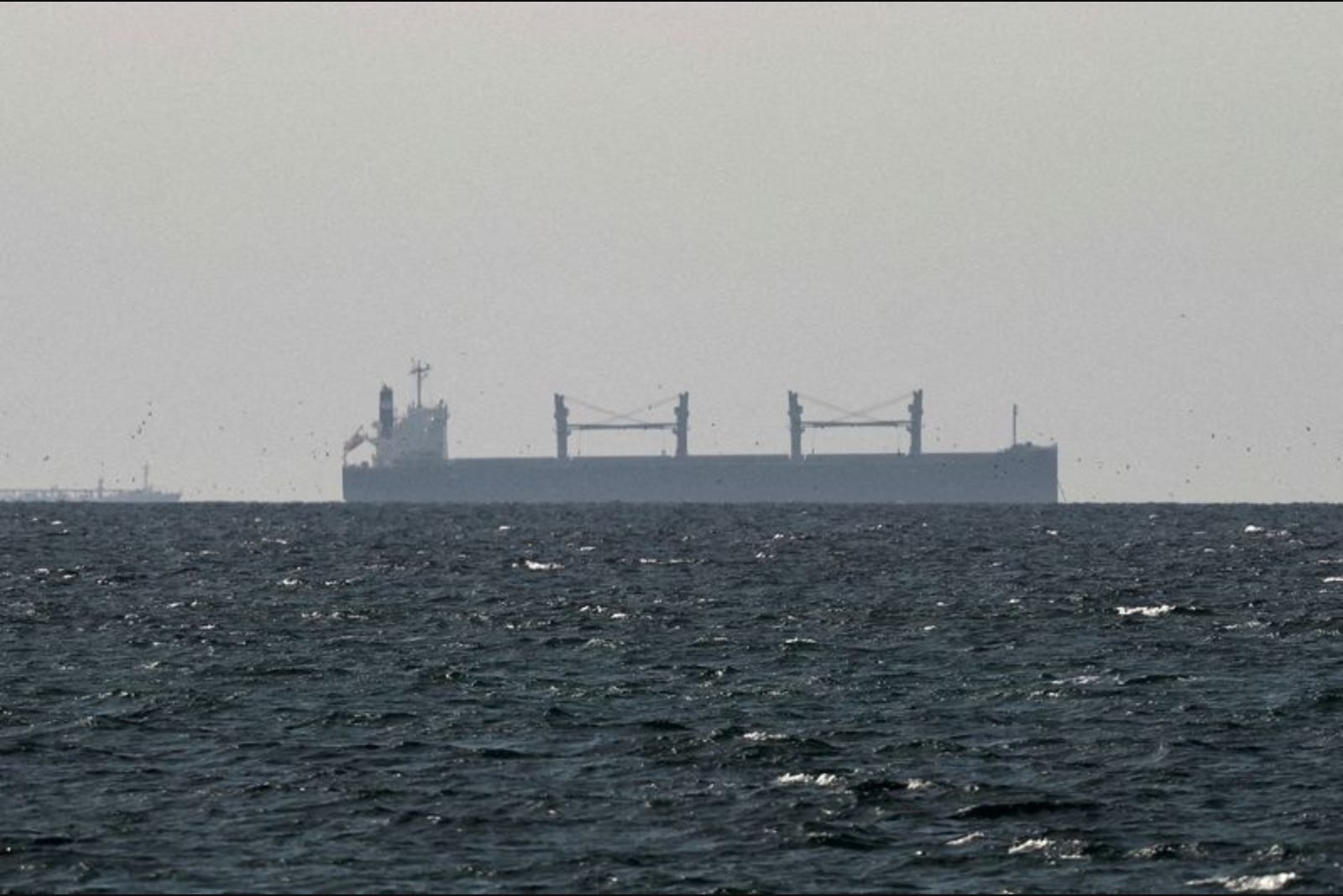
Global crude benchmarks pulled back in early trading as optimism rose that recent diplomatic moves could reduce immediate supply-side pressure. Brent crude futures fell by $1.34, or 1.35%, to $98.05 a barrel at 0021 GMT, while U.S. West Texas Intermediate (WTI) futures declined $1.65, or 1.74%, to $93.40 a barrel.
The pullback followed two developments that traders interpreted as lowering the near-term risk premium on oil. A 10-day ceasefire between Lebanon and Israel took effect, and U.S. President Donald Trump said the United States and Iran may meet for talks on the weekend. Addressing a central dispute in efforts to end the Iran war - a conflict that has closed the Strait of Hormuz for seven weeks and choked off roughly one-fifth of the world’s oil supply - Trump said Tehran had offered not to possess nuclear weapons for more than 20 years.
"We’re going to see what happens. But I think we’re very close to making a deal with Iran," Trump told reporters outside the White House on Thursday. Market participants interpreted the remarks and the ceasefire as signs that some of the acute tensions disrupting flows might ease, prompting a retreat from the recent highs.
Oil had surged in March, rising about 50% in what market watchers described as a record run, and prices only recently slipped back under the $100 per barrel threshold. Over the past week, benchmarks have generally remained in the $90 range as traders weighed conflicting signals on the prospect of durable peace and the status of shipping routes.
Despite the softer prices, material disruptions to global supply persist. Analysts from ING estimate that roughly 13 million barrels per day of oil flow have been disrupted by the closure of the Strait of Hormuz. That level of disruption has been a key driver of recent volatility.
Political dynamics remain a major source of uncertainty. Israel’s campaign in Lebanon has been described as a significant barrier to achieving the broader peace agreement sought by the U.S. president to end what was characterized as a war on Iran initiated with Israel in late February. Meanwhile, negotiators from the United States and Iran have tempered hopes for a comprehensive settlement and are reportedly pursuing a temporary memorandum aimed at preventing a return to full-scale conflict, according to two Iranian sources.
Traders and analysts are watching whether the ceasefire and potential talks translate into concrete steps that reopen shipping lanes and restore disrupted flows. For now, the market is responding to the balance of easing diplomatic signals and the continued physical constraints on oil movement.