
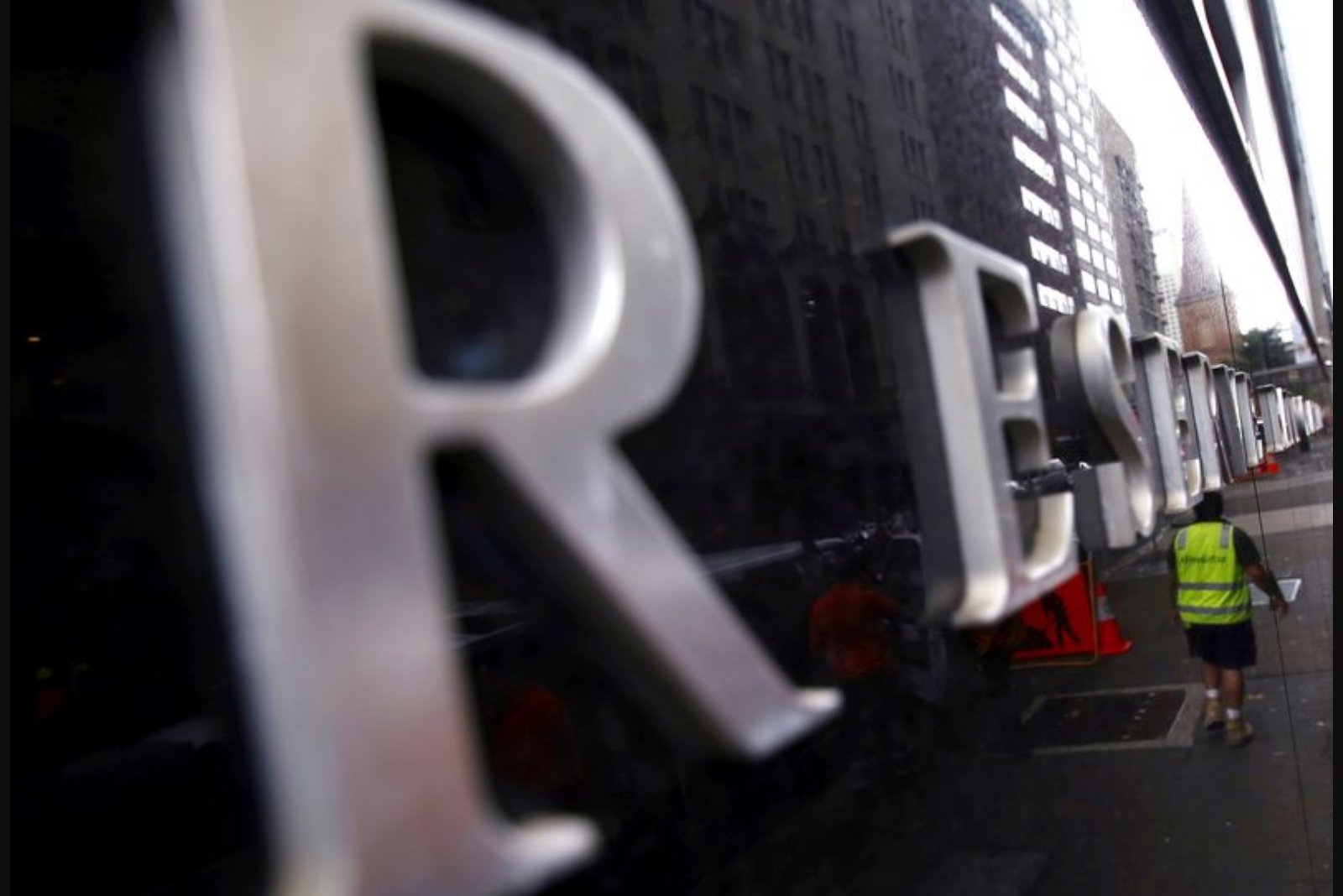
Reserve Bank of Australia Deputy Governor Andrew Hauser said policymakers cannot be certain that the current stance of monetary policy is enough to push inflation back into the central bank's 2%-3% target range. Speaking at an event in New York, Hauser emphasized that the RBA will need to track closely the knock-on effects of the war in Iran on both prices and economic activity.
Hauser noted that headline inflation stood at 3.7% in February and that interest rates will ultimately have to reach whatever level is required to return inflation to the target band. "I wouldn’t say we have high confidence that we’ve set interest rates at the right level because you never do have that high confidence. But we’re going to have to monitor this new shock pretty carefully," he said.
He described the recent geopolitical shock as a source of clear upside pressure on inflation, and called attention to the need to consider potential medium-term effects. "I think it’s easy to see that upside inflation pressure. More important for us now to think through what the medium-term impact might be. It might still be on the upside, in which case we’re going to have to respond. But we do also need to take account of the possibility that if activity slows," Hauser added.
The RBA has increased its cash rate twice so far this year to 4.1%, reversing two of the three rate cuts implemented last year. The bank expects that sharply higher fuel costs will push headline inflation toward roughly 5% in the second quarter.
Hauser said the central bank is monitoring consumption, which continues to expand but at a modest pace, and pointed out that many Australian businesses are finding it difficult to pass on price rises to customers. Markets currently price in about a 65% probability of another 25 basis-point rate hike in May and see the cash rate peaking near 4.6% by the end of the year.
Summary
RBA Deputy Governor Andrew Hauser warned that officials are not highly confident current interest rates are sufficiently restrictive to return inflation to the 2%-3% target, and said the bank must monitor the inflationary and activity impacts of the Iran war and higher fuel costs. The RBA has lifted rates twice this year to 4.1% and expects headline inflation to rise toward 5% in the second quarter.
Key points
- Headline inflation was 3.7% in February; the RBA aims to return inflation to a 2%-3% band.
- The cash rate has been raised twice to 4.1%, undoing two of last year’s three cuts; markets assign about a 65% chance of a further 25 basis-point increase in May and anticipate a peak around 4.6% by year-end.
- Sharply higher fuel costs linked to the Iran war are expected to lift headline inflation toward 5% in Q2; consumption is growing slowly while firms struggle to pass on price increases.
Risks and uncertainties
- Uncertainty over whether current rates are adequate to return inflation to target - this affects monetary policy decisions and financial markets.
- Upside inflation pressure from higher fuel costs and the Iran war could force additional tightening, with implications for consumer spending and business investment.
- Alternatively, rising rates could slow economic activity, creating a trade-off for policy makers between inflation control and growth; this would impact household consumption and corporate pricing power.