
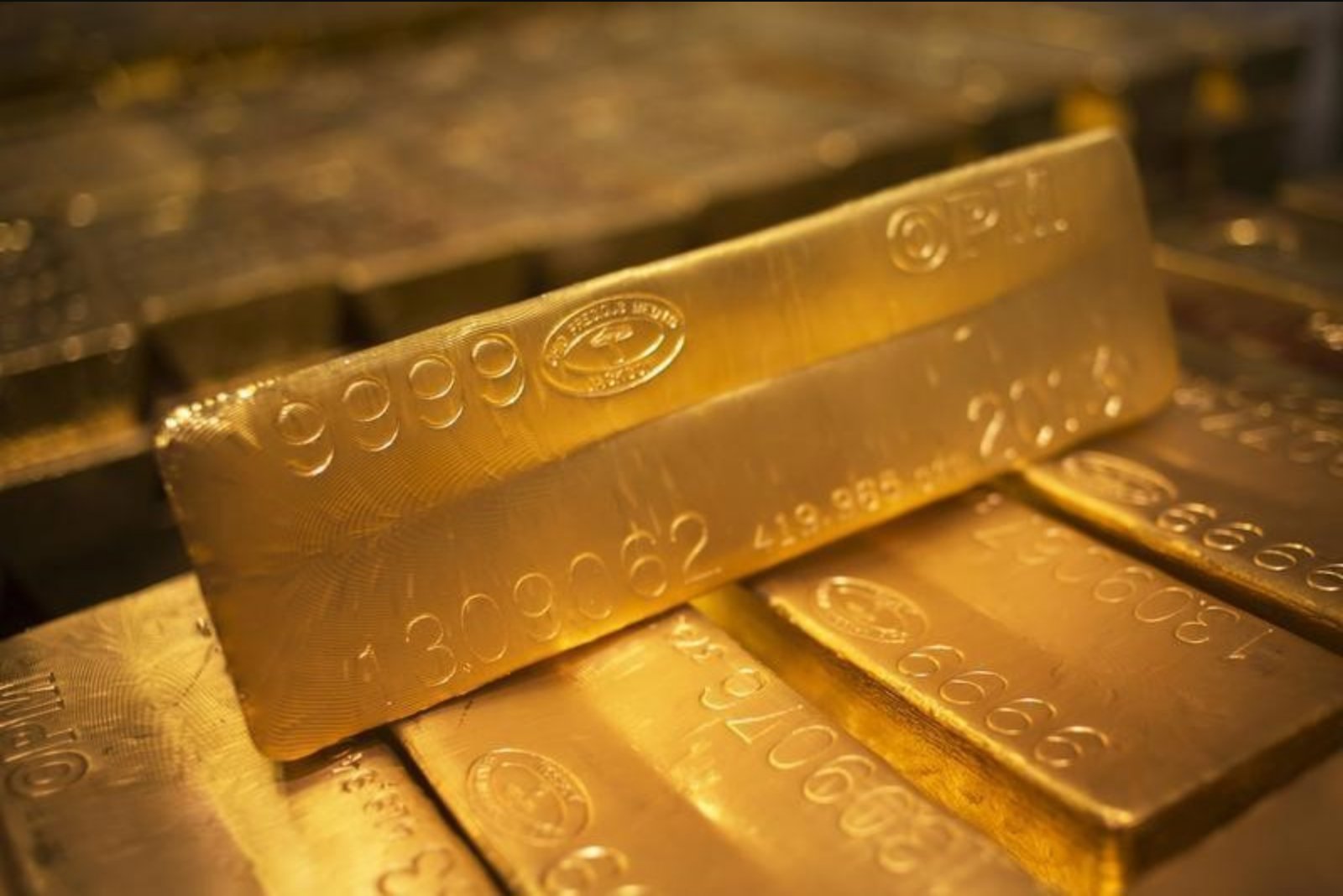
Gold fell on Friday and was headed for a sizable weekly drop as market uncertainty tied to renewed U.S.-Iran hostilities and the collapse of peace negotiations pushed investors toward the dollar.
Spot gold slipped 0.5% to $4,672.22 an ounce by 02:27 ET (06:27 GMT), while gold futures retreated 0.8% to $4,686.89/oz.
Spot gold was on track to post a 3% loss for the week, driven by a stronger dollar as traders wrestled with how the Iran conflict might stoke inflation and influence monetary policy. The dollar itself was poised for its best week since early-March.
Other precious metals felt the pressure from the greenback as well. Spot silver dropped 1.2% to $74.483/oz and was set to lose nearly 8% for the week. Spot platinum fell 1% to $1,992.72/oz and was down 5.4% this week.
Silver and platinum, which had outperformed gold in recent weeks, faced heightened profit-taking. Their recent gains had been supported by optimism over industrial demand and by forecasts of a growing silver supply deficit in 2026 that had previously lent support to silver prices.
Market participants also fretted that any inflationary pressure from the Iran conflict could prompt more hawkish stances from major central banks and push interest rates higher - a dynamic that typically weighs on non-yielding assets such as gold. Oil prices rose sharply this week, reinforcing concerns that energy-driven inflation remains a material risk.
On the geopolitical front, the U.S. this week indefinitely extended a ceasefire with Iran, but tensions remained elevated. Iran continued to block the Strait of Hormuz while the U.S. maintained a naval blockade. U.S. President Donald Trump said on Thursday he was in no rush to reach a peace deal with Iran and instructed the military to shoot at any Iranian ships mining Hormuz.
Separately, Iran released a video purportedly showing its troops storming a ship, and the country also highlighted its fast-boat capabilities for conducting strikes in the Strait of Hormuz.
Summary takeaways:
- Gold and other precious metals fell as a stronger dollar and concerns over inflationary effects from renewed U.S.-Iran hostilities pressured markets.
- Silver and platinum outperformance in prior weeks left both metals vulnerable to profit-taking, with silver facing additional support earlier from expectations of a 2026 supply deficit.
- Rising oil prices and continued tensions around the Strait of Hormuz kept energy-driven inflation risks prominent for markets and policymakers.