
Gold held a relatively steady course in Asian trading on Tuesday as investors continued to assess a fragile truce between the United States and Iran and waited for a planned meeting between U.S. President Donald Trump and Chinese President Xi Jinping later this week.
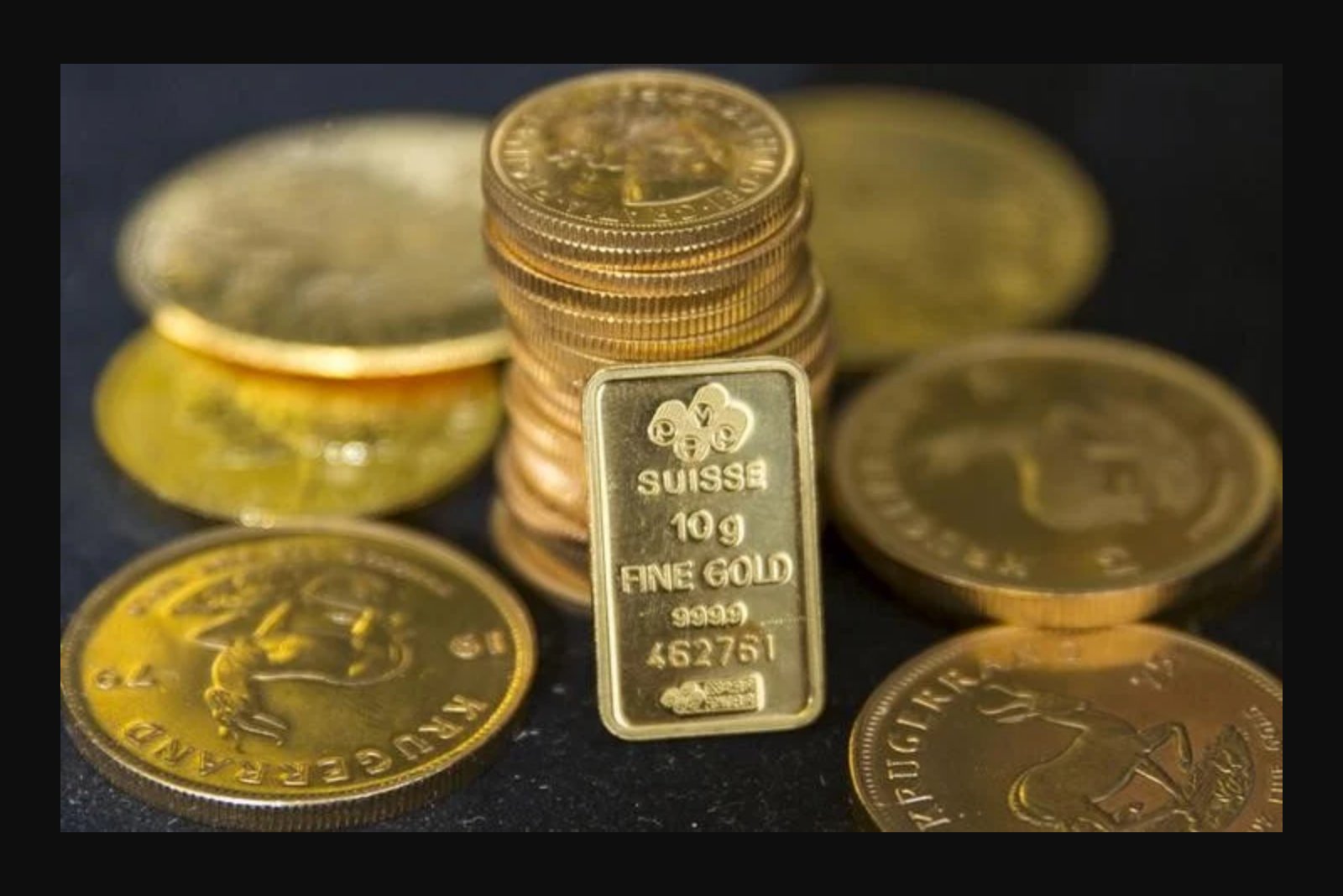
Spot gold was marginally lower, down 0.1% at $4,729.18 an ounce by 22:18 ET (02:18 GMT), while U.S. Gold Futures gained 0.2% to $4,738.00 an ounce. The yellow metal had climbed 0.4% on Monday.
Political comments over the ceasefire heightened concern about renewed hostilities. President Trump described Iran’s response to a U.S.-backed peace proposal as a "piece of garbage" and warned the truce was on "massive life support," signaling the risk that the agreement could unravel after weeks of indirect negotiation. Iranian officials in turn said their armed forces stood ready to respond decisively to any "act of aggression."
Tehran’s demands, as articulated by Iranian officials, included sanctions relief, restoration of oil exports and recognition of Iranian sovereignty over the Strait of Hormuz. Those statements kept attention on potential supply disruptions through the strait, a crucial route for global crude shipments, and contributed to higher oil prices on Tuesday.
Higher oil costs have in turn constrained bullion’s upside, market participants said, because a sustained rise in energy prices can stoke inflation and increase the likelihood that the Federal Reserve will maintain higher interest rates for longer. Higher interest rates generally reduce the appeal of non-yielding assets such as gold.
Beyond the Middle East, traders were also focused on the scheduled Trump-Xi meeting in Beijing. Officials and market watchers expect the talks to cover a range of sensitive issues, including Iran, Taiwan, trade tensions, artificial intelligence and energy security, adding an extra layer of geopolitical and economic uncertainty that market participants will watch closely.
Market-sensitive economic data was also on the calendar. Attention centered on U.S. inflation readings, particularly the Consumer Price Index report due later on Tuesday, as investors look for clues about the Federal Reserve’s future interest-rate decisions.
Currency movements added to the backdrop for precious metals: the U.S. Dollar Index inched up 0.2% in Asian trade, making gold relatively more expensive for buyers using other currencies. Among other precious metals, spot silver edged 0.2% higher to $86.31 per ounce, while platinum fell 1.7% to $2,098.76.
Market context and implications
The combination of an unstable ceasefire, elevated oil prices and a firmer dollar has limited gold’s upside despite periodic safe-haven bids. Investors remain attentive to the outcome of diplomatic talks and incoming inflation data that could influence central bank policy and the appeal of gold and other non-yielding assets.