
World April 14, 2026 06:47 PM

Vance Says Deep U.S.-Iran Mistrust Won't Be Fixed Quickly; Talks May Resume in Pakistan

Vice President JD Vance expresses cautious optimism as ceasefire holds and diplomatic momentum continues

By Avery Klein
Vance Says Deep U.S.-Iran Mistrust Won't Be Fixed Quickly; Talks May Resume in Pakistan

U.S. Vice President JD Vance acknowledged persistent mistrust between Washington and Tehran that cannot be resolved immediately, while saying Iranian negotiators appeared willing to reach an agreement. President Donald Trump said talks to end the Iran war could resume in Pakistan within two days following a weekend breakdown that led the U.S. to impose a blockade on Iranian ports. A fragile two-week ceasefire remains in effect with one week left.

Key Points

  • Vice President JD Vance said there is substantial mistrust between the U.S. and Iran that will not be resolved quickly, but indicated Iranian negotiators wanted to reach a deal.
  • President Donald Trump said talks to end the Iran war could resume in Pakistan over the next two days after weekend negotiations collapsed and the U.S. imposed a blockade on Iranian ports.
  • A fragile two-week ceasefire between the U.S. and Iran is underway and still has one week remaining; recent strikes and counterstrikes have caused thousands of deaths and displaced millions, which affects geopolitical stability and related markets such as defense and energy.

WASHINGTON — U.S. Vice President JD Vance on Tuesday acknowledged that the relationship between Washington and Tehran is marked by deep mistrust that cannot be remedied quickly, even as he signaled that Iranian negotiators sought a deal and that he was encouraged by the state of negotiations.

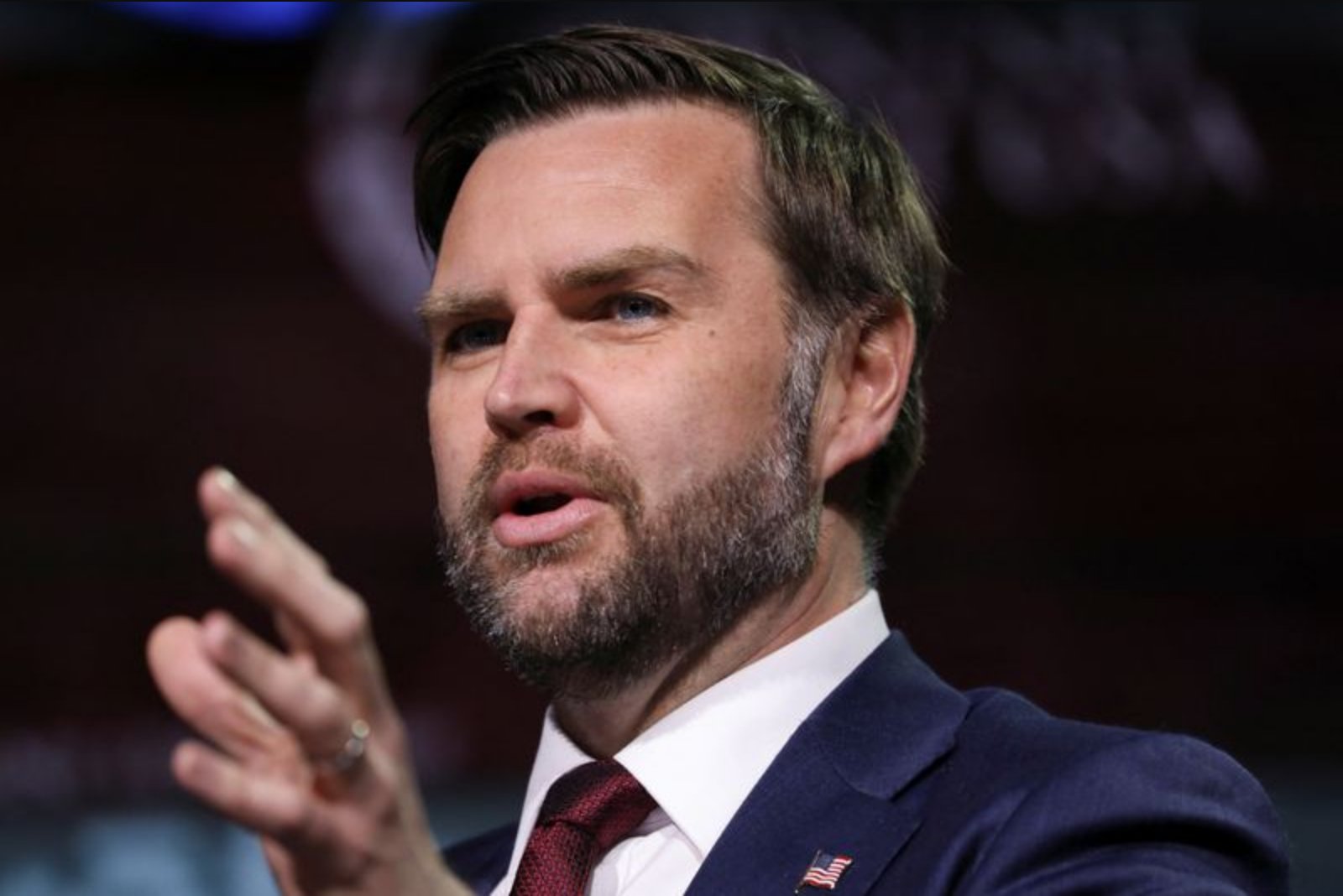
Vance, who took part in talks in Pakistan over the weekend, made the remarks at a Turning Point USA event, saying: "There is a lot of, of course, mistrust between Iran and the United States of America. You are not going to solve that problem overnight." He added: "I feel very good about where we are," referencing the direction of recent discussions.

President Donald Trump said on Tuesday that talks to end the Iran war could resume in Pakistan over the next two days. That comment followed the collapse of weekend negotiations that prompted Washington to impose a blockade on Iranian ports. The U.S. blockade was announced after the breakdown in talks, according to the same reporting.

Officials note that a fragile two-week ceasefire between the U.S. and Iran remains in place and still has one week left to run. Vance was directly involved in the negotiations held last weekend in Pakistan, part of efforts to move toward a more durable resolution.

The conflict, as described in related statements, began when the U.S. and Israel attacked Iran on February 28. Iran then responded with its own strikes on Israel and on Gulf states that host U.S. bases. Subsequent U.S.-Israeli strikes on Iran and Israeli attacks in Lebanon have resulted in thousands of deaths and have displaced millions of people.

The public comments from senior U.S. leadership underline the complexity of restoring trust between the two governments even as diplomatic channels remain active. With a ceasefire window still open and the prospect of renewed talks in Pakistan, officials portray a mix of caution and measured optimism about prospects for a deal.


Context and next steps

  • Negotiations that faltered over the weekend led to a U.S. blockade on Iranian ports.
  • President Trump indicated talks could restart in Pakistan within two days.
  • Vice President Vance, present at the weekend talks, emphasized long-standing mistrust while noting Iranian negotiators wanted to reach an agreement.

The coming days will determine whether negotiators can translate the stated intent to make a deal into concrete progress while the ceasefire window remains open.

Risks

  • Breakdown in negotiations could lead to renewed hostilities - this poses risks to defense contractors, energy markets, and regional trade routes.
  • The U.S. blockade of Iranian ports following the collapse of talks could disrupt shipping and trade flows in the region, impacting commodities and logistics sectors.
  • The fragile ceasefire has only one week remaining; its expiration without a diplomatic breakthrough would increase geopolitical uncertainty and market volatility.

More from World

U.S. Targets Prominent Mexican Human Rights Activist with Sanctions, Alleges Cartel Ties Apr 14, 2026 King Charles to Visit U.S. for State Visit Aimed at Repairing Strained Ties with President Trump Apr 14, 2026 Congo to Receive First Group of Third-Country Deportees from U.S. Under New Agreement Apr 14, 2026 Ramaphosa appoints Roelf Meyer as South Africa’s ambassador to the United States Apr 14, 2026 FTC Settles Three Cases Alleging False 'Made in USA' Claims, Including Flag Seller Apr 14, 2026