
Overview
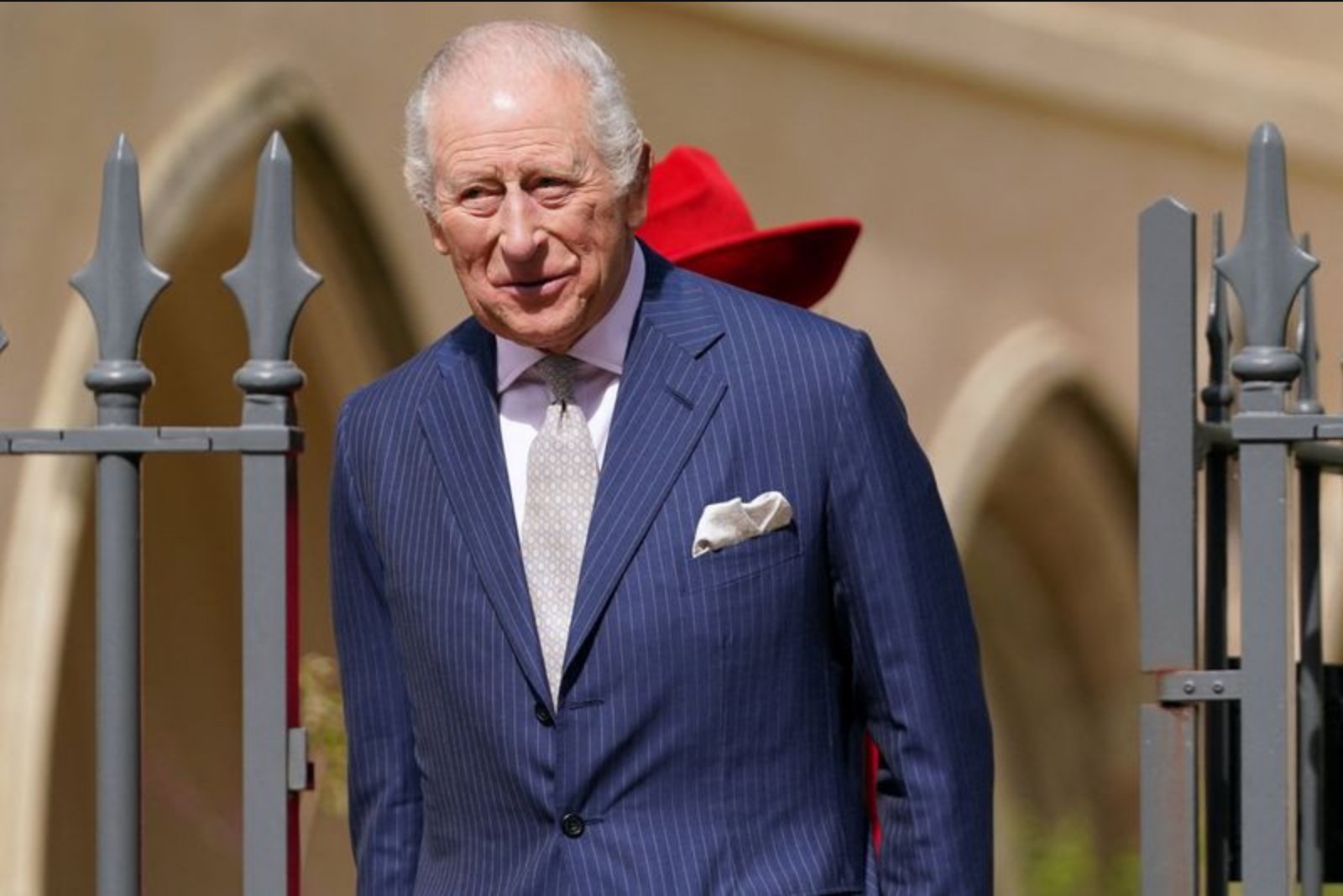
King Charles and Queen Camilla will travel to the United States on April 27 for a four-day state visit that the British government frames as a chance to reaffirm close ties between the two countries. Buckingham Palace and British Foreign Office sources say the visit - which coincides with the 250th anniversary of U.S. independence - has taken on heightened diplomatic significance amid a dispute between London and Washington linked to the recent attack on Iran.
Itinerary and official engagements
Officials have disclosed a schedule that begins with a private tea and a meeting between the monarch and President Donald Trump at the White House, followed by a ceremonial welcome and a state dinner. The king is also due to address the U.S. Congress, making him only the second British monarch to do so after his mother, Queen Elizabeth, who spoke in 1991.
Following their time in Washington, the royal couple will travel to New York to meet families of the victims of the September 11, 2001 attacks. The U.S. leg of the visit concludes with engagements in Virginia. From there, King Charles will continue on to Bermuda, where he is head of state.
Purpose and official framing
A Buckingham Palace spokesperson said the visit "recognises the challenges the United Kingdom, the United States, and our allies face across the world." The spokesperson added that the trip is intended as "a moment to reaffirm and renew our bilateral ties as we address those challenges together, in the UK’s national interest." A Foreign Office spokesperson described the relationship as "the closest of friendships," language that reflects hopes the state visit will demonstrate the practical and symbolic value of the alliance despite current strains.
Political strain between leaders
Tensions have risen since the United States and Israel launched an attack on Iran in late February. President Trump has publicly criticized Prime Minister Keir Starmer and the British government for what he portrays as a lack of active support for the offensive. In the course of those remarks, Trump has characterised Starmer as "not Winston Churchill" and dismissed Britain's aircraft carriers as "toys." Despite his criticisms of the British government and its leader, the president's personal regard for the royal family has not wavered.
Opinion polling indicates that President Trump is deeply unpopular in Britain. Some British politicians have called for the state visit to be cancelled. In Parliament, Liberal Democrat leader Ed Davey said that "(Trump) is a dangerous and corrupt gangster, and that is how we must treat him," and voiced concern about the risks posed to the monarch by appearing alongside the U.S. president. Mr Davey warned that he feared "what Trump might say or do while our king is forced to stand by his side."
Prime Minister Starmer has sought to keep distance from the conflict while avoiding a direct public rebuke of President Trump. Reflecting the government's approach to using the monarchy's role in diplomacy, Starmer said that the monarchy, "through the bonds that it builds, is often able to reach through the decades on a situation like this."
Sensitive issues surrounding Jeffrey Epstein
The visit comes amid heightened attention on matters related to the late financier Jeffrey Epstein. The king's brother, Prince Andrew, is under police scrutiny over his connections to Epstein, and former U.S. first lady Melania Trump gave a public address denying any relationship with Epstein last week. Some members of the U.S. Congress have urged the king to meet survivors of Epstein's abuse; however, palace officials have ruled out such a meeting.
A palace source explained that while the royal household "fully understand and appreciate the survivors’ position," it believes a meeting could risk affecting ongoing inquiries or potential criminal proceedings. The source emphasized that even if the risk were small, the potential to impact inquiries or the proper course of the law was a risk "that we simply can’t take, for the best interest for the survivors themselves." The palace also noted Queen Camilla's long-standing advocacy for causes addressing sexual and domestic violence, but said that the legal risks make such a public engagement impossible at this time.
Context and outlook
Within the formalities of a state visit - private audiences, ceremonial welcomes, and a state dinner - British officials are aiming to use royal soft power to stabilise and showcase the relationship with the United States. The visit will test whether symbolic diplomacy can blunt political friction arising from military action and contentious public rhetoric between leaders.
Note: The above account reports on the announced itinerary, official statements, and public reactions as disclosed by palace and government spokespeople and by politicians. It reflects current public positions and the stated reasons for the visit.