
Hopes for a diplomatic end to the three-month war between Iran and the United States rose after President Donald Trump said on Thursday that a deal could be signed imminently, possibly over the coming weekend in Europe, though Iranian authorities stressed they had not yet reached a final decision.
Speaking to reporters at the White House, the president said, "We just made a great settlement of the war with Iran." He added that the Strait of Hormuz - which Iran had effectively closed to shipping during the conflict - would reopen on the signing of the pact, and that Vice President JD Vance would be present for the ceremony. Asked whether Iran's Supreme Leader Ayatollah Mojtaba Khamenei had approved the agreement, the president said, "I understand the answer is yes."
Since mid-March the president has repeatedly described a peace deal as close. But tensions have continued on the ground: the two sides exchanged strikes this week that put strain on a ceasefire announced in April, and military incidents around the Strait of Hormuz persisted even as arms of diplomacy moved forward.
Iranian state media quoted Foreign Ministry spokesperson Esmaeil Baghaei as saying that large portions of the agreement have been finalized but that the matter remains under review by the relevant decision-making bodies. "We have not reached a final conclusion on this matter," Baghaei said, and he warned that Iran would not yield on its red lines.
Market reaction to the potential truce was immediate. Asian equities joined a broad global rally on Friday on hopes that a peace agreement may come to pass, while oil prices slipped to two-month lows. Still, the security environment remained fraught around the critical shipping corridor.
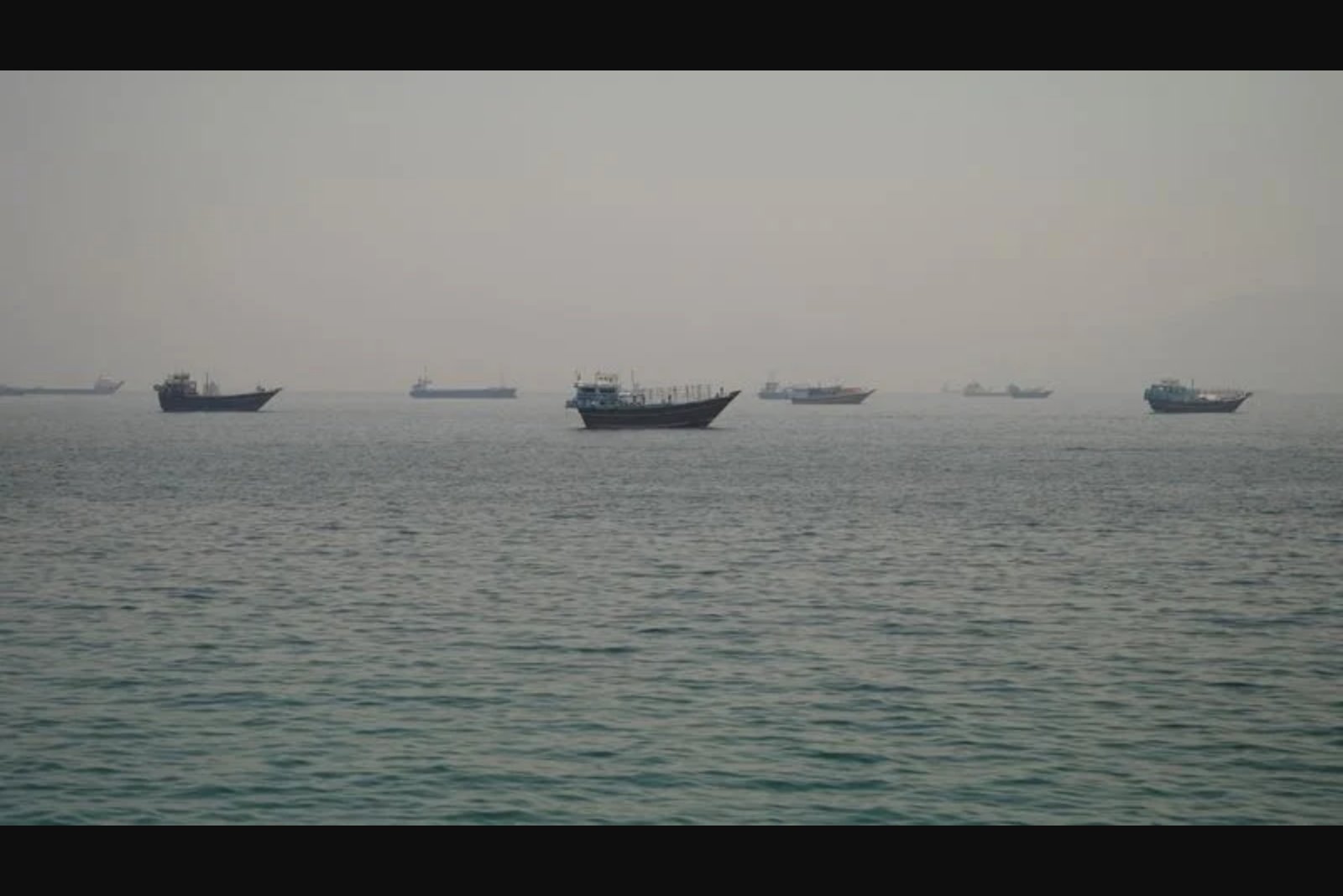
A U.S. official said U.S. forces downed two Iranian one-way attack drones after Tehran attempted to strike commercial vessels transiting the Strait of Hormuz. Iranian state media reported that Iran’s military had stopped a tanker from transiting the strait and that explosions were heard early on Friday.
The president said he had called off planned military strikes on Iran in light of progress in negotiations. Describing the arrangement as "a very strong memorandum of understanding that is a little conceptual," he emphasized that any settlement must prevent Iran from obtaining nuclear weapons. "The big thing is there will be no nuclear weapons in Iran. That means not developed and not purchased," he later said during a campaign event held by telephone. Iran denies that it is seeking a nuclear weapon.
Iran's negotiating priorities, as articulated publicly, include the lifting of international sanctions, the release of billions of dollars in frozen assets and formal recognition of its control of the Strait of Hormuz. Tehran has also demanded an end to Israeli attacks in Lebanon, where fighting has continued in a parallel conflict involving Hezbollah militants backed by Iran.
On the question of regional endorsements, the president said social media posts had confirmed approval by countries including Israel, Saudi Arabia, Qatar and the United Arab Emirates. However, the Israeli prime minister's office issued a statement after a conversation between the two leaders saying that Israel was not a party to the memorandum of understanding. The Israeli leader expressed appreciation for the president's stated commitment to a deal that would remove enriched material, dismantle enrichment infrastructure, limit missile output and end support for regional proxies, according to the account of the call.
Earlier on Thursday the president had signaled a willingness to escalate militarily, saying the United States would hit Iran "very hard tonight" and that it ultimately wanted control of Kharg Island, an oil infrastructure hub. Those remarks highlight the combination of military pressure and diplomatic negotiation at work.
The conflict has also had a political toll domestically, with the situation becoming a headache for the White House. Polling has shown declining approval for the president amid public frustration over high gasoline prices. Some members of his own Republican Party have privately expressed concern that the war’s unpopularity could jeopardize their chances in the November midterm elections. At the same time, the president must balance those electoral calculations with satisfying hawkish elements within his party who insist any agreement must close Iran’s pathway to nuclear capability.
As talks proceed, significant uncertainties remain. Iranian officials say deliberations continue at the highest levels and that no final decision has been made, while incidents at sea and continued hostilities in related theaters of conflict preserve the potential for renewed escalation even if a formal memorandum is signed.
Summary - President Trump said a deal to end the three-month war with Iran could be signed as soon as the coming weekend, predicting the Strait of Hormuz would reopen on signature. Iranian officials said no final decision has been made and insisted they would not compromise on red lines. Despite optimism that spurred a global stock rally and a drop in oil to two-month lows, clashes at sea continued, including U.S. forces shooting down Iranian attack drones and reports that Iran stopped a tanker in the strait.