
Currency markets across Asia were mixed on Friday, with the U.S. dollar inching lower as traders balanced tentative optimism about an Iran-U.S. settlement against lingering inflation signals from U.S. data that complicate the Federal Reserve outlook.
The U.S. Dollar Index ticked down around 0.1% in Asian trade, recovering some composure after slipping to a one-week low overnight. Futures on the U.S. dollar also moved marginally lower by roughly the same amount.
Geopolitics and oil - Comments from U.S. political leadership on Thursday raised expectations of a possible peace agreement with Iran that could be finalized soon, a development that helped foster a risk-on atmosphere in global markets. Iranian officials, however, said no final decision had yet been reached, leaving outcomes uncertain.
Energy markets reacted to the prospect of eased tensions. Oil prices retreated to the lowest levels in about two months as traders anticipated a potential reopening of supply routes and reduced risk premia, a dynamic that tends to support risk assets and currencies of oil-importing nations.
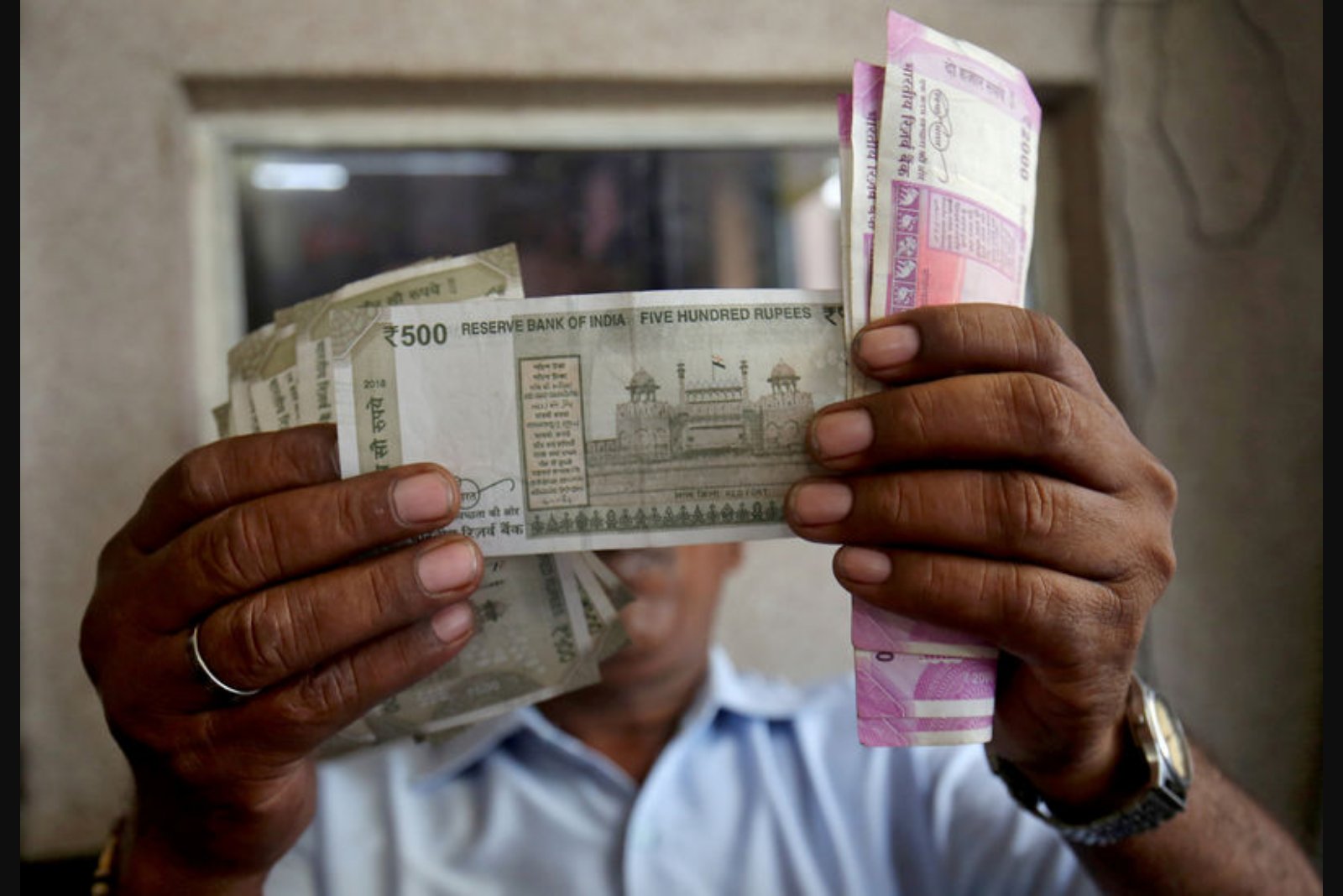
FX moves across the region - The Indian rupee led regional gains on the risk-on tone, with the USD/INR pair falling about 0.7% as the rupee strengthened versus the dollar. The Chinese yuan also gained ground, with USD/CNY down roughly 0.2%. The Singapore dollar held steady with USD/SGD trading flat.
The Australian dollar eased slightly, with AUD/USD down about 0.1% after posting a larger rise in the previous session. In Japan, USD/JPY ticked higher by around 0.2% to 160.25 yen, remaining above the 160 level that in past episodes has drawn intervention attention from Tokyo.
Inflation data and central bank implications - U.S. producer prices for May surprised on the upside for headline readings, largely driven by higher energy costs tied to earlier disruptions in Middle Eastern oil supplies. Underneath that headline move, core producer prices were softer than expected, indicating more subdued underlying inflation pressures.
Those mixed readings took some heat out of immediate expectations for further Fed tightening. Markets pushed back the timing of any additional rate increases, with pricing implying roughly a 60% chance of a Fed rate rise by December, according to the CME FedWatch tool.
Looking ahead, market participants are also focusing on the Bank of Japan's policy meeting next week. Policymakers there are widely expected to lift rates by 25 basis points to around 1% - a level described as the highest in decades - a factor that could influence yen volatility and broader Asian FX flows.
In sum, a combination of tentative geopolitical optimism, lower oil prices and mixed U.S. inflation data produced a patchwork of currency moves across Asia, with the rupee standing out as the top regional gainer while attention shifts to central bank moves in Tokyo and Washington for further guidance.