
June 12 - Nvidia has begun confidential outreach to Chinese clients to promote its Vera CPU, telling them the processor could be ready for delivery as early as August and that orders can now be submitted, three people with knowledge of those conversations said. The contacts underline the company’s move to accelerate adoption of a new product amid months in which shipments of its H200 graphics processor to China have effectively stalled.
According to those involved in the private discussions, some Chinese cloud customers have already expressed interest in acquiring Vera-based systems. One participant said a major Chinese cloud provider intends to place an initial order for more than 300 servers, each configured with two Vera CPUs, for testing purposes; any full-scale purchase would depend on the outcomes of those tests, the person added. The conversations were described on condition of anonymity because they are not public.
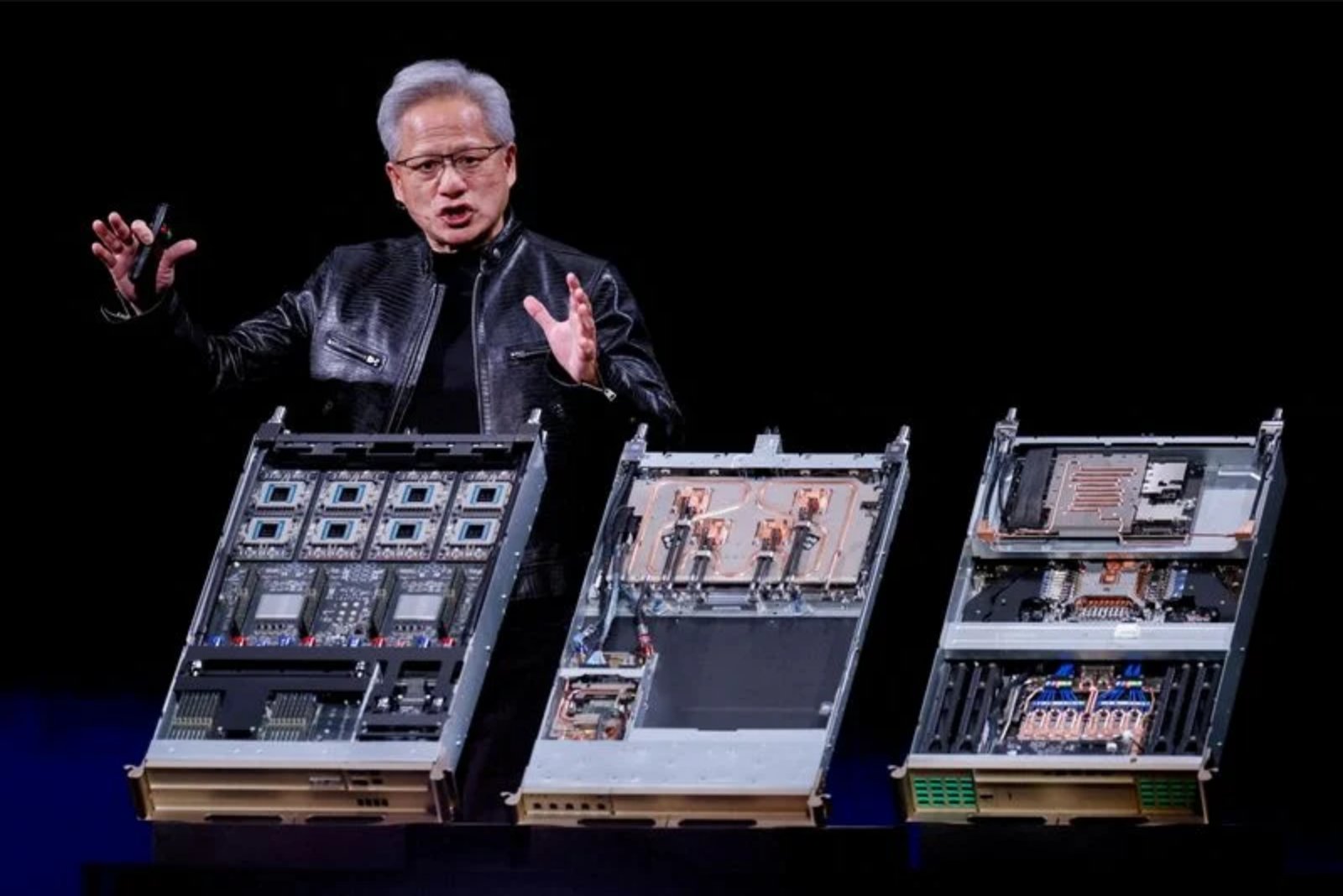
Vera represents Nvidia’s first standalone central processing unit designed specifically for agentic AI - systems that carry out tasks autonomously. The chip has entered full production and, according to Nvidia, delivers up to 1.8 times the performance of comparable processors from rival suppliers. When Vera was unveiled in March, Nvidia’s chief executive presented it as a candidate to become a multibillion-dollar line for the company.
At the product launch, Nvidia indicated that leading cloud firms, including Alibaba and ByteDance, were collaborating on deployment plans for Vera, though the company did not specify at the time whether customers could already place orders. In the present outreach, Nvidia has reportedly invited Chinese clients to begin ordering.
Price estimates circulated in industry commentary place a single Vera chip at "well north" of $20,000 before bulk discounts, with a fully configured rack holding 256 chips costing roughly $10 million, depending on memory configuration (analysis credited to a research firm). Those figures reflect configurations favoured by hyperscale cloud providers, who are expected to take large, ready-to-install racks initially. Simpler two-processor servers are expected to be adopted later in the product ramp.
Nvidia projects that Vera-generated sales could reach $20 billion by the close of its fiscal year in late January, a forecast that highlights the strategic importance the company places on the product.
The renewed commercial effort around Vera comes amid broader shifts in the AI computing market. Demand has been moving from model training to inference computing - the step of answering queries - a segment where graphics processors face rising competition from CPUs and specialised chips. That transition has contributed to a shortage in server CPUs globally. Intel has informed Chinese customers of delivery lead times extending up to six months, while AMD has signalled that the global CPU market remains tight and that demand is exceeding forecasts, with supply constraints expected to persist.
Vera is built on Arm technology, positioning Nvidia in direct competition with established server CPU suppliers Intel and AMD, which have historically dominated using the x86 architecture. The entry of an Arm-based processor from Nvidia adds a new dimension to rivalry among major CPU firms racing to boost server CPU supplies for AI data centres.
Selling CPUs into China may carry fewer regulatory constraints than selling Nvidia’s GPUs, which have been subject to tighter U.S. export controls. Washington has approved licences for about 10 Chinese firms to acquire the H200 GPU, but the people consulted said not a single delivery has actually taken place because Chinese authorities have withheld approval. That difference in export treatment has added complexity to Nvidia’s China business and has helped push the company to explore CPU sales as an alternative commercial route.
Some Chinese customers plan to run Vera chips initially in their overseas data centres as part of testing and validation, according to one source. Whether initial test deployments convert into broad adoption inside China will depend in part on software ecosystem compatibility and the difficulty of migrating workloads that were developed around domestic AI chips, another person involved in the discussions said.
Responding to requests for comment, Nvidia declined to comment. Alibaba and ByteDance did not reply to requests for comment.
Summary
- Nvidia has informed Chinese clients that its Vera CPU may be available by August and that orders can be placed now.
- Initial buyer interest has surfaced, including a planned test order for more than 300 servers from a major Chinese cloud company.
- Challenges to large-scale adoption include software compatibility and migration of workloads developed around domestic chips, and regulatory issues have constrained GPU deliveries to China.
Key points
- Product availability and ordering - Nvidia has begun a sales push for Vera in China and has said the CPU could ship as early as August, with clients able to place orders now.
- Commercial interest and configuration - A large Chinese cloud customer plans an initial test order exceeding 300 two-CPU servers; most early Vera deployments are expected to be in large, ready-to-install racks used by hyperscalers.
- Market implications - Vera, based on Arm technology, pits Nvidia directly against Intel and AMD in the server CPU space and comes as the AI market shifts toward inference workloads.
Risks and uncertainties
- Adoption risk - Software ecosystem compatibility and the effort required to migrate workloads built for domestic AI chips may limit how quickly Chinese customers adopt Vera.
- Regulatory and delivery constraints - Tighter export controls and the withholding of approvals have prevented deliveries of Nvidia’s H200 GPU to China, demonstrating that regulatory factors can impede hardware rollouts.
- Supply dynamics - Ongoing CPU supply tightness, including long lead times reported by Intel and constrained global supply cited by AMD, could affect deployment timelines and customer procurement decisions.
Tags
- semiconductors
- AI
- cloud
- hardware