
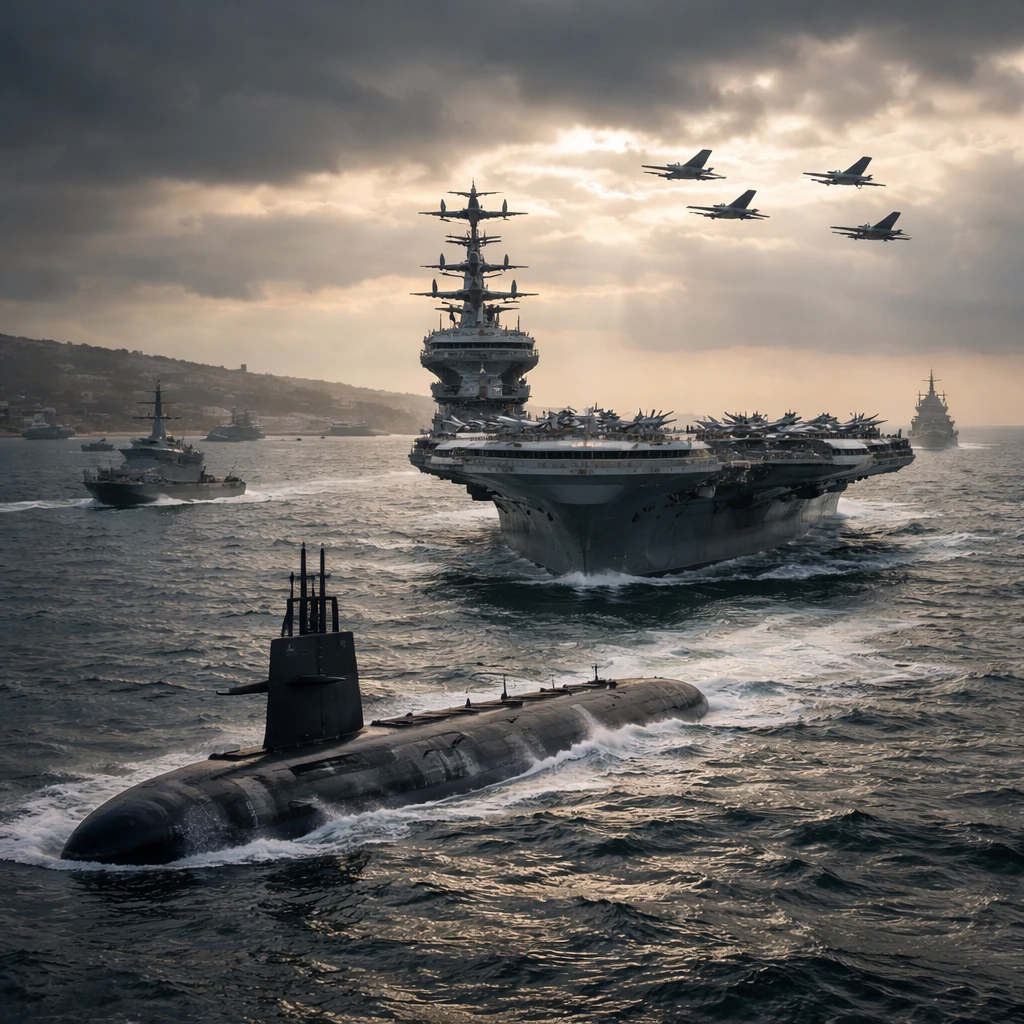
The United States plans to decrease the number of aircraft and warships available for NATO operations in Europe, according to two senior European officials, who described a set of planned redeployments that would alter allied force posture on the continent.
Officials say the reductions are likely to include the movement of a missile-launching submarine and an aircraft carrier out of the European theater. In addition, several escort warships and the dozens of jets that support carrier operations are slated for redeployment, the officials said. One of two bomber groups that had been assigned to Europe’s defense may also be reallocated.
Those shifts, the officials cautioned, would reduce NATO’s capacity to carry out long-range strike missions and to sustain surveillance operations over the region. The officials framed the changes as a rebalancing of U.S. assets that currently contribute to alliance missions in Europe.
U.S. political leadership has publicly criticized European allies for what it calls underinvestment in defense capabilities and for an excessive reliance on U.S. protection. Administrations in Washington have repeatedly urged greater burden-sharing; in recent months, President Donald Trump has strongly rebuked NATO partners, at times threatening to withdraw from the alliance over what he described as insufficient support related to the U.S.-Israel war on Iran.
The officials’ account does not include a timetable or a complete list of all units affected, and they described the plans as subject to final decisions by U.S. authorities. The potential reallocation of naval and air assets underscores the link between national force deployments and allied operational capacity, while leaving open how NATO members might respond to changes in U.S. contributions.
Observers and analysts will be watching for formal announcements from U.S. defense authorities and for any subsequent adjustments to NATO planning and posture. For now, the assessment rests on the officials’ characterization of planned redeployments and the potential operational effects those moves would carry for long-range strike and surveillance missions in Europe.