
World April 28, 2026 12:07 PM

Kim Jong Un Hails Soldiers Who Took Their Own Lives During Fighting in Kursk

North Korean leader praises troops who killed themselves rather than be captured amid reports of heavy losses in Russia's Kursk region

By Maya Rios
Kim Jong Un Hails Soldiers Who Took Their Own Lives During Fighting in Kursk

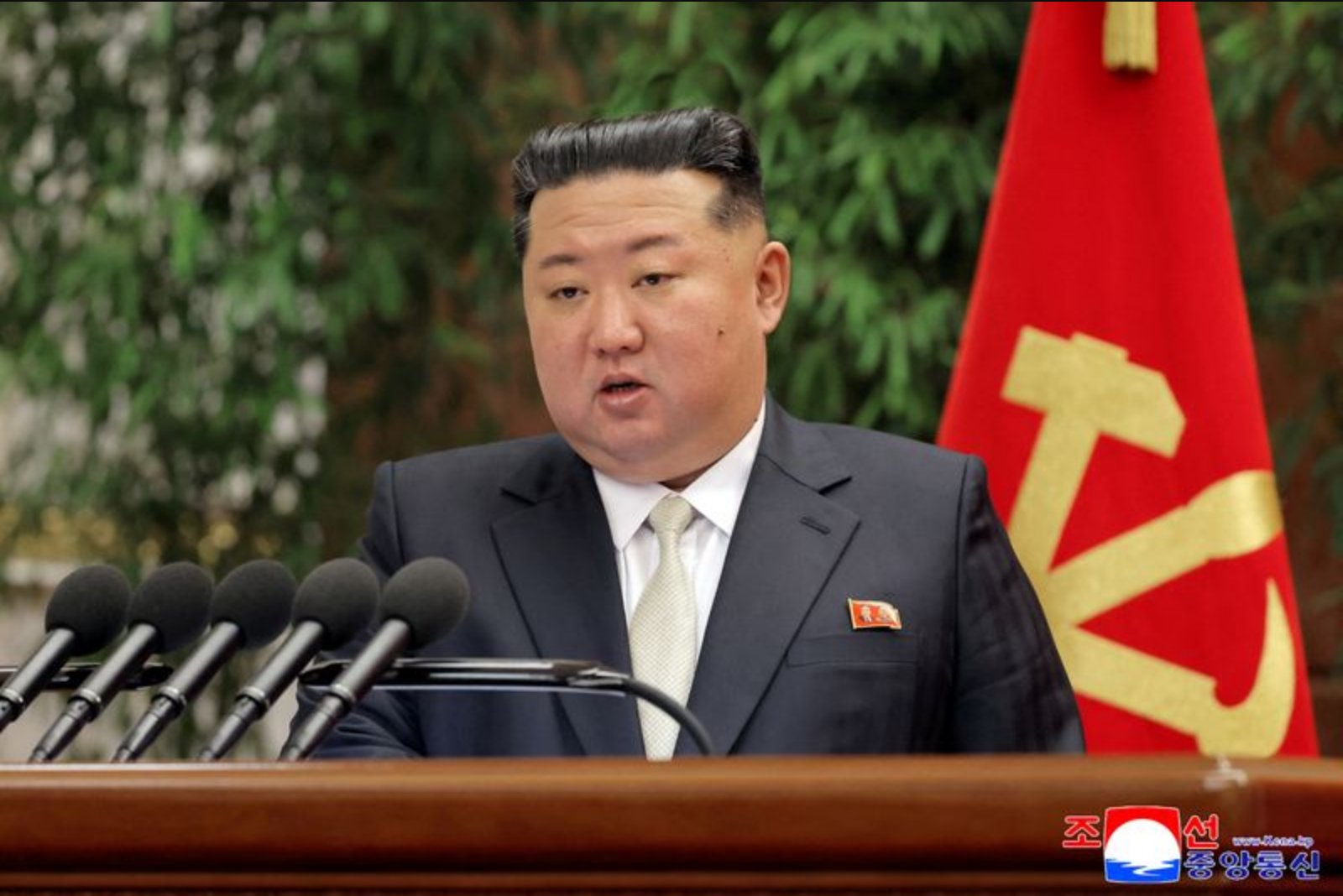
North Korea's leader, Kim Jong Un, publicly praised soldiers who committed suicide while fighting alongside Russian forces in Russia's Kursk region, according to a transcript released by state media. Pyongyang is reported to have deployed roughly 14,000 troops to the area and suffered heavy casualties, with South Korean, Ukrainian and Western officials saying more than 6,000 North Korean fighters were killed. Evidence, including intelligence reports and defectors' testimony, indicates that some soldiers chose self-detonation or other forms of suicide to avoid capture. Kim made the remarks during a ceremony marking the completion of a memorial to North Korean soldiers, addressing Russian officials and bereaved families, and praised both those who died in combat and those who took their own lives as heroes.

Key Points

  • North Korea deployed an estimated 14,000 troops to fight alongside Russian forces in Russia's Kursk region.
  • South Korean, Ukrainian and Western officials report heavy casualties, with more than 6,000 North Korean soldiers killed.
  • Kim Jong Un publicly praised soldiers who committed suicide to avoid capture and also commended surviving fighters; this was relayed in a KCNA transcript released on Monday.
  • Sectors potentially affected by these developments include defence and military technology, given the reported flow of troops, munitions and reciprocal military-technology assistance.

North Korean leader Kim Jong Un publicly lauded soldiers who committed suicide while engaged in combat in Russia's Kursk region, confirming an extreme battlefield practice among the forces Pyongyang deployed there. A transcript published by North Korean state media KCNA on Monday records Kim making the remarks at a ceremony marking the completion of a memorial honoring North Korean soldiers, where he addressed Russian officials and bereaved families.

North Korea is estimated to have sent about 14,000 troops to fight alongside Russian forces in the Kursk region. South Korean, Ukrainian and Western officials have reported that the contingent suffered heavy casualties, with more than 6,000 North Korean soldiers killed in the fighting.

Mounting evidence has pointed to instances in which North Korean fighters avoided capture by taking their own lives. That evidence includes intelligence reports and testimonies from defectors, which describe cases of self-detonation or other means of suicide rather than surrender.

Kim addressed those incidents directly in his remarks, praising the individuals involved. "It is not only the heroes who unhesitatingly chose the path of self-destruction and suicide to defend great honor, but also those who fell while charging at the forefront of assault battles," he said, according to the KCNA transcript. He also described surviving fighters in patriotic terms.

"Those who writhed in frustration at failing to fulfil their duty as soldiers rather than suffering the agony of their bodies being torn apart by bullets and shells - these too can be called the party's loyal warriors and patriots," Kim said in the speech.

South Korean intelligence assessments indicate that Pyongyang's deployment of troops and supply of munitions to Russia were reciprocated with economic and military technology assistance from Moscow. The assessments form part of the broader reporting on the deployment and its consequences.


The remarks represent the first time Kim has explicitly acknowledged the lengths to which some North Korean soldiers went to avoid capture in that theatre of operations. His comments were delivered in the context of a formal ceremony commemorating the service of North Korean personnel and were framed as praise for both the killed and the survivors.

Risks

  • High casualty levels among deployed North Korean forces create uncertainty about future troop availability and operational capacity - this primarily affects defence and geopolitical stability assessments.
  • Reliance on intelligence reports and defectors' testimonies means aspects of the accounts may be contested or incomplete, introducing uncertainty in assessments used by policymakers and market participants tracking military and security risks.
  • Enhanced military-technology and economic ties cited by South Korean intelligence between Pyongyang and Moscow may influence defence procurement and technology sectors, though details are limited in the available reporting.

More from World

Appeals Court Rejects Administration’s Broad Immigration Detention Interpretation Apr 28, 2026 Federal Agents Execute 22 Search Warrants in Minnesota as Part of Welfare Fraud Probe Apr 28, 2026 Pro-Kurdish DEM party slams government for 'hesitant' pace on PKK peace steps Apr 28, 2026 Wartime Command Consolidates in Iran as Guards Supplant Clerical Primacy Apr 28, 2026 Drone Diplomacy: Ukraine Converts Battlefield Innovations into Strategic Partnerships — Now the Hard Work Begins Apr 28, 2026