
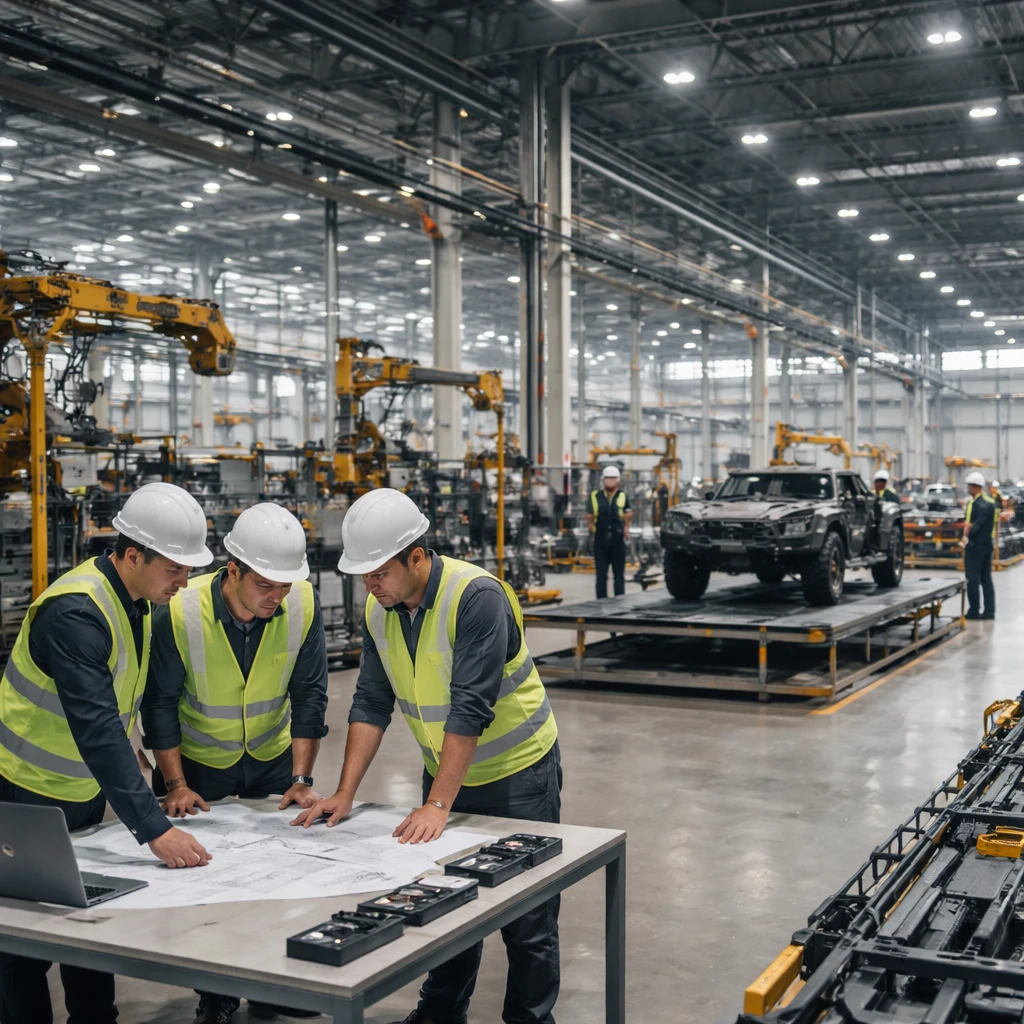
Volkswagen is conducting intensive negotiations with defense-sector companies over the future use of its Osnabrueck assembly complex in northern Germany, Chief Executive Oliver Blume said on Tuesday.
Blume confirmed that the factory will stop producing Volkswagen Group vehicles at the Osnabrueck site starting in 2027. He added that he is confident a final decision on how the plant will be redeployed will be reached within the current year.
The CEO said the German government has provided a clear directive to strengthen the country's defense capabilities, and he emphasized that security is a priority across Germany. Against that backdrop, Volkswagen is assessing how its existing strengths could be redirected to meet defense needs.
Specifically, the company sees scope to apply its expertise in automation and to draw on the qualifications of the Osnabrueck workforce as part of any conversion. At the same time, Blume made it clear that Volkswagen will not be manufacturing weapons at the facility. One possible avenue under consideration is the production of military transport vehicles, while tanks were explicitly ruled out.
The comments indicate Volkswagen is weighing a transition that would preserve industrial activity at the site while aligning with government priorities. Blume's statements framed the potential shift as leveraging existing competencies in automation and skilled labour rather than entering weapons production.
Contextual note - The company will end Volkswagen Group product assembly at Osnabrueck from 2027, and the firm aims to reach a determination on the plant's future within the year, according to Blume.
Implications - Any redirection of the plant toward defense-related manufacturing would involve collaboration with defense contractors and would be constrained by the company's stated refusal to produce weapons or tanks.