
World April 19, 2026 03:32 AM

Lukashenko Signals Readiness to Meet Trump After Negotiations Yield 'Big Deal'

Belarusian leader conditions a potential summit on a comprehensive agreement that reflects both countries' interests

By Jordan Park
Lukashenko Signals Readiness to Meet Trump After Negotiations Yield 'Big Deal'

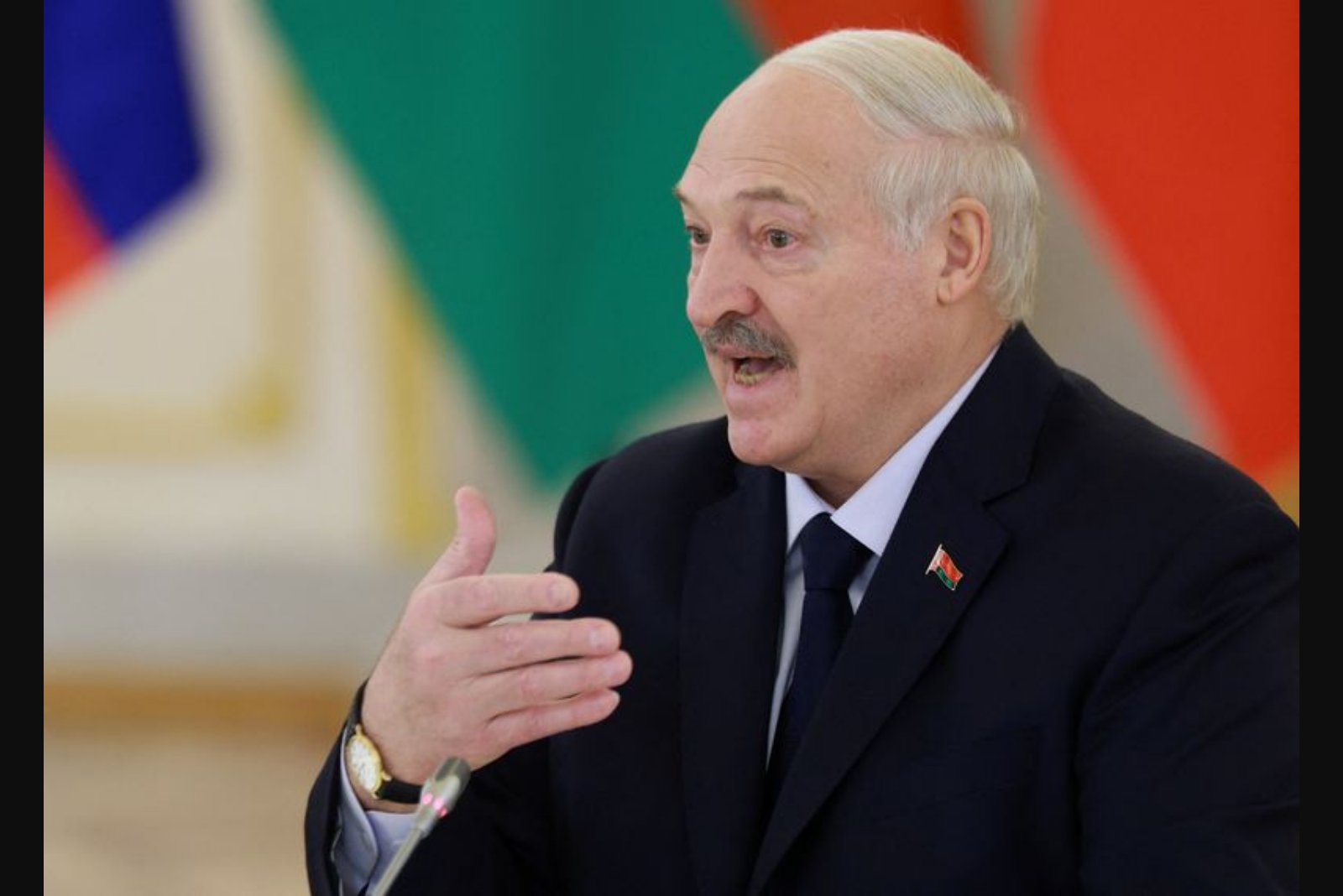
Belarusian President Alexander Lukashenko said he would be willing to meet U.S. President Donald Trump once a broad agreement between Minsk and Washington has been prepared. In an interview with Russian state broadcaster RT, Lukashenko said the arrangement must address more than just sanctions relief and should be finalized at a lower diplomatic level before leaders meet. The comments come after a U.S. envoy indicated a possible visit to the United States by the Belarusian president.

Key Points

  • Lukashenko stated readiness to meet U.S. President Donald Trump once a comprehensive 'big deal' between Belarus and the United States is prepared.
  • He told RT that any agreement should reflect both countries' interests and extend beyond the lifting of Western sanctions.
  • A potential visit to the United States by Lukashenko was floated by Trump envoy John Coale in March, a move described as signaling a possible breakthrough after years of Belarus being treated as a pariah; sectors impacted include diplomacy and international trade relations.

Belarusian President Alexander Lukashenko told Russian television that he would meet with U.S. President Donald Trump once a "big deal" binding Belarus and the United States has been prepared.

"We are ready for a deal, but it needs to be prepared in a way that reflects the interests of both the United States and Belarus," Lukashenko said in an interview with RT, excerpts of which were published on Sunday.

The Belarusian leader, who is a close ally of Russian President Vladimir Putin, has publicly supported Russia's invasion of Ukraine while stopping short of sending Belarusian troops to fight there. Those positions have contributed to Minsk's pariah status in the West, linked in the comments to years of human rights abuses and its backing for Putin in the conflict.

In March, Trump envoy John Coale said that Lukashenko may soon travel to the United States. Such a visit, according to that statement, would represent a breakthrough for the long-serving authoritarian leader after years of international isolation.


Lukashenko told RT that Minsk has adapted to the effects of Western sanctions. He emphasized that any arrangement with Washington should not be limited to lifting penalties.

"We have far more issues to resolve, and that’s the subject of a big deal," he said, without identifying the specific issues he had in mind. He added that once the agreement is finalized at a lower level, "we’re ready to meet with Donald and sign the agreement."

The president framed the process as one that requires preparatory work and mutual accommodation before any summit-level encounter. He underscored the need for the agreement to reflect the interests of both nations, reiterating that sanction relief alone would be insufficient.

The remarks outline a potential diplomatic pathway in which detailed negotiations precede a head-of-state meeting. They also underline ongoing ambiguity about the scope and content of talks between Minsk and Washington, as well as the political significance a U.S. visit by Lukashenko would carry given his recent international standing.


Summary: Lukashenko said he is prepared to meet President Trump once a comprehensive agreement that addresses a broader set of issues beyond sanctions relief is prepared and ratified at lower levels.

Risks

  • Uncertainty about the scope of the negotiations - Lukashenko said there are 'far more issues to resolve' but did not specify what they are, creating ambiguity for diplomatic and economic planners; this affects government relations and trade-sensitive sectors.
  • Political and reputational risk tied to Lukashenko's support for Russia's invasion of Ukraine and past human rights abuses - these factors continue to complicate Western engagement and could influence how businesses and financial markets assess exposure to Belarus.
  • Sanctions uncertainty - although Minsk says it has adapted to Western sanctions, Lukashenko insisted any deal must go beyond sanction relief, leaving unresolved how sanctions might be lifted or modified and how that could affect energy, finance, and trade sectors.

More from World

Houston Revises Ordinance Limiting ICE Cooperation After Governor’s Threat to Withhold $114 Million Apr 23, 2026 South Korea's Air Force Issues Apology After Audit Attributes 2021 Fighter Jet Collision to In-Flight Filming Apr 22, 2026 Taiwan Coast Guard Minister Visits Itu Aba for Drills Including Armed Boarding Exercise Apr 22, 2026 Zelenskiy warns prolonged Iran conflict could raise risks to Ukraine's anti-missile procurement Apr 22, 2026 Youth Suicide Rates Fell After U.S. Launched 988 Hotline, Harvard-Led Study Finds Apr 22, 2026