
World July 4, 2026 11:09 AM

Erdogan Warns Israel Against Undermining U.S.-Iran Agreement, Seeks Closer Pakistan Ties

Turkish president stresses regional buy-in for lasting Middle East peace and outlines economic, energy cooperation with Pakistan

By Jordan Park
Share
Twitter Reddit Facebook LinkedIn

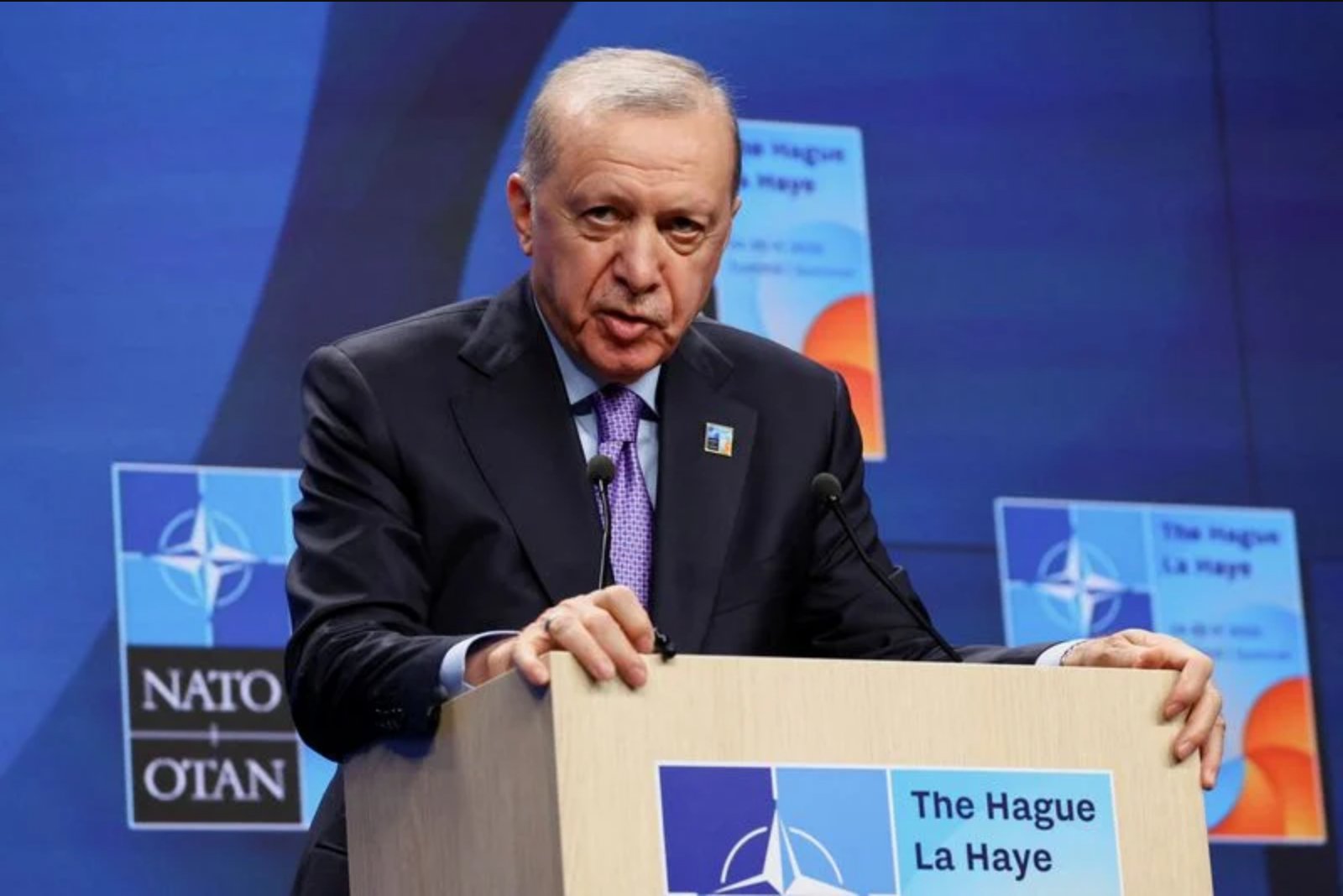
President Tayyip Erdogan said regional endorsement is essential for durable Middle East peace and warned Israel must not be permitted to derail the U.S.-Iran deal. Speaking in Istanbul alongside Pakistani Prime Minister Shehbaz Sharif, Erdogan also detailed plans to deepen Turkey-Pakistan cooperation across energy, transport, critical minerals, information technology and defence while pursuing a $5 billion bilateral trade target.

Erdogan Warns Israel Against Undermining U.S.-Iran Agreement, Seeks Closer Pakistan Ties
Summarize with
ChatGPT Perplexity Claude Grok Gemini

Key Points

  • Erdogan said lasting Middle East peace requires regional support, warning Israel must not be allowed to "dynamite" the U.S.-Iran deal.
  • Turkey accused Israel of trying to undermine the U.S.-Iran agreement, and condemned Israeli operations in Gaza, Lebanon and Syria.
  • Turkey and Pakistan aim to deepen cooperation in energy, transport, critical minerals, information technology and defence, targeting $5 billion in bilateral trade; Turkish firms expressed interest in Pakistan's electricity sector transformation.

ANKARA, July 4 - Turkish President Tayyip Erdogan said on Saturday that efforts to secure peace in the Middle East cannot succeed without the active support of regional states, and he warned that Israel must not be allowed to "dynamite" the U.S.-Iran peace agreement. Speaking beside Pakistani Prime Minister Shehbaz Sharif in Istanbul, Erdogan insisted that durable solutions must draw on the will and contributions of neighbouring countries.

"No solution that does not take strength from the will and contributions of regional countries can be lasting," Erdogan said, emphasizing the importance of regional backing for any settlement. He went on to accuse the Israeli administration of attempting to undermine the U.S.-Iran deal that Pakistan helped mediate, and he reiterated Turkish condemnation of Israeli military operations in Gaza, Lebanon and Syria.

"We are closely following the Israeli administration's attempts to dynamite the (U.S.-Iran) deal... The current war-addicted Israeli government must not be allowed to drown our geography in the smell of gunpowder and blood again," Erdogan said, framing his remarks as a warning about the potential consequences of actions he described as destabilizing.

Alongside the geopolitical message, Erdogan outlined a set of economic and strategic priorities in Turkey's relationship with Pakistan. He said Ankara intends to deepen cooperation in multiple sectors - energy, transport, critical minerals, information technology and defence - and to push toward a bilateral trade target of $5 billion.

Officials from the two countries participated in a business forum in Istanbul earlier on Saturday, a gathering that officials described as part of an effort to translate political commitments into commercial and technical collaboration. Turkish Energy Minister Alparslan Bayraktar said Turkish companies are interested in contributing to projects in Pakistan and in sharing Turkey's expertise in the energy sector as Pakistan undergoes a transformation of its electricity system.

The statements combine a regional diplomatic posture with concrete economic outreach, signaling Ankara's dual focus on security and commercial ties in its engagement with Pakistan. The public remarks reflect Turkey's concern about the durability of international agreements that lack regional endorsement and its intent to expand pragmatic cooperation with allied governments.

Risks

  • Risk of the U.S.-Iran deal being undermined if regional actors oppose or attempt to derail it - impacts geopolitical stability and markets tied to energy and defence sectors.
  • Escalatory Israeli operations in Gaza, Lebanon and Syria could increase regional tensions and disrupt trade and energy cooperation - impacts energy markets and defence contractors.
  • Uncertainty in translating political commitments into commercial projects; Pakistan's electricity sector transformation presents execution and investment risks - impacts energy and infrastructure sectors.

More from World

Tiger Woods Agrees to Five-Year Driver's License Suspension in Plea Deal Sep 2, 2026 Kurdish Women Fighters Seek Formal Role as Syria’s New Authorities Reshape Security Forces Sep 2, 2026 Everyday Ties Fray as Canada Responds to New U.S. Trade Moves Sep 2, 2026 Senior White House Aides Seek to Keep Iran Conflict Limited Ahead of Midterms Sep 2, 2026 Orbiting Confrontation: U.S. and China Test Spaceborne Military Tools as Satellites Become Battlegrounds Sep 2, 2026