
World May 5, 2026 05:31 PM

CS Anthem Leaves Strait of Hormuz; Second U.S.-Flagged Commercial Ship to Transit with Military Escort

Crowley-managed chemical tanker completes Gulf exit as U.S. naval assets operate under 'Project Freedom' to reopen shipping lanes

By Avery Klein
Share
Twitter Reddit Facebook LinkedIn

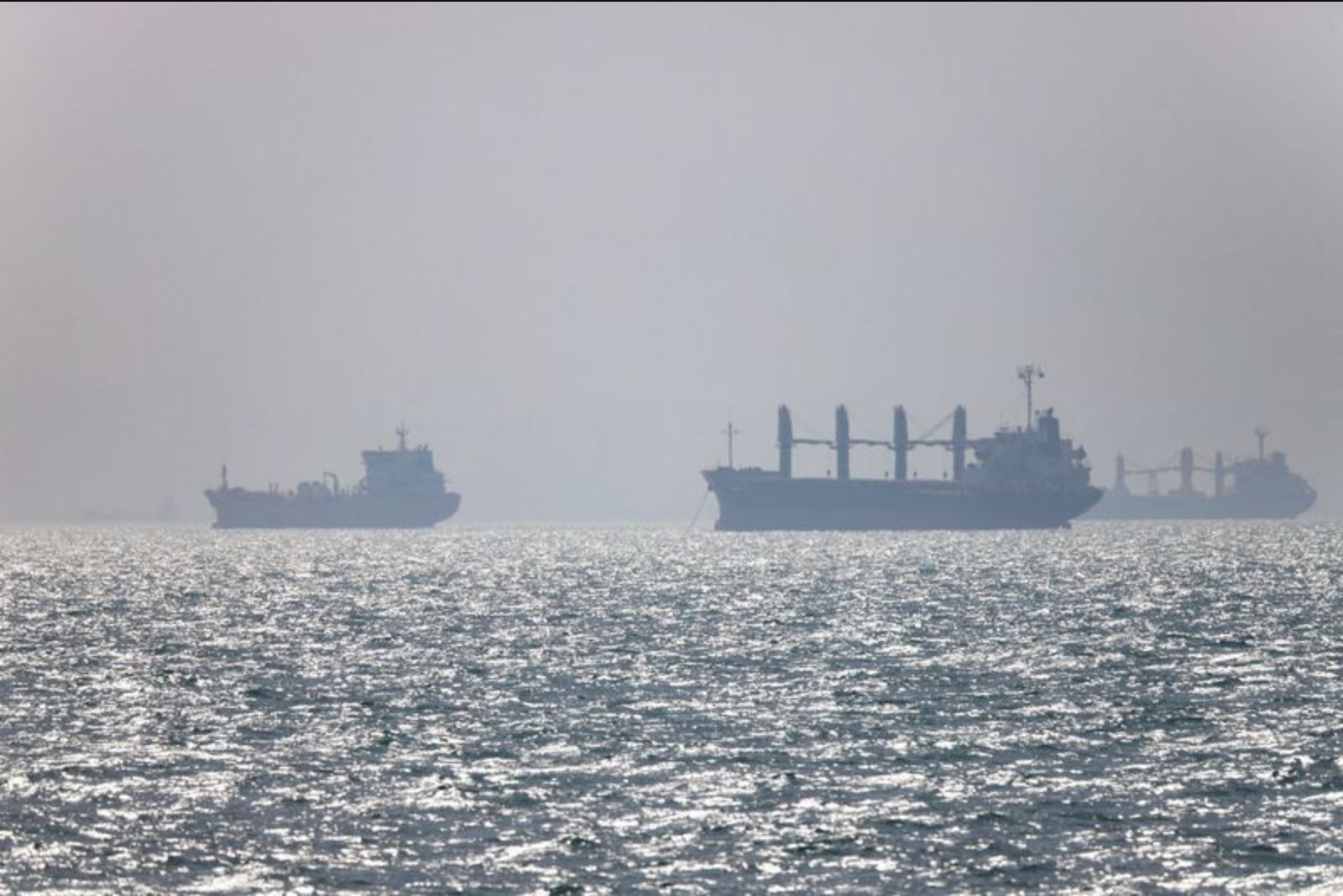
The Crowley-Stena operated chemical tanker CS Anthem completed a transit out of the Strait of Hormuz, its operator said, marking the second known commercial U.S.-flagged vessel to leave the area while accompanied by U.S. military assets. Maersk reported that the U.S.-flagged vehicle carrier Alliance Fairfax also exited the Gulf. Several other U.S.-flagged ships remain in the region amid ongoing tensions that followed the start of the U.S. and Israeli war against Iran on February 28.

CS Anthem Leaves Strait of Hormuz; Second U.S.-Flagged Commercial Ship to Transit with Military Escort
Summarize with
ChatGPT Perplexity Claude Grok Gemini

Key Points

  • The CS Anthem, operated by Crowley-Stena Marine Solutions, safely completed transit out of the Strait of Hormuz, its operator said.
  • Maersk reported that the Alliance Fairfax, a U.S.-flagged vehicle carrier, also exited the Gulf; both ships left while accompanied by U.S. military assets.
  • U.S. Navy guided-missile destroyers are operating in the Gulf under a directive called "Project Freedom," and CENTCOM said U.S. forces are helping to restore commercial shipping; the Strait previously handled about 20% of global oil flows before its near closure.

BOSTON, May 5 - The CS Anthem, a chemical tanker operated by Crowley-Stena Marine Solutions, has completed passage out of the Strait of Hormuz, the operator said on Tuesday. The company confirmed the transit was completed safely, describing the movement as the Crowley-managed vessel having "safely completed its transit through the Strait of Hormuz."

The departure makes the CS Anthem the second known commercial U.S.-flagged vessel to leave the strait while accompanied by U.S. military assets. Maersk earlier on Monday said that the Alliance Fairfax, a U.S.-flagged vehicle carrier run by its Farrell Lines subsidiary, had similarly exited the Gulf via the Strait of Hormuz.

The two transits come as U.S. forces continue operations intended to restore commercial shipping through the waterway. CENTCOM said on X on Monday that U.S. Navy guided-missile destroyers are operating in the Gulf under a directive called "Project Freedom." CENTCOM also stated that U.S. forces are helping to restore commercial shipping through the Strait.

Despite the recent departures, not all U.S.-flagged vessels have been able to leave the area. Three other U.S.-flagged ships that were left in the region after the U.S. and Israeli war against Iran began on February 28 remain in the Gulf, three sources said. Among those is the products tanker Stena Imperative, which was struck by two unknown projectiles while in the port of Bahrain in early March. That attack caused a fire aboard the vessel. Sources said the Stena Imperative is currently in dry dock in the Gulf.

Both the CS Anthem and the Alliance Fairfax were among hundreds of vessels that became stranded in the Gulf following a near closure of the Strait of Hormuz in early March. Prior to that virtual closure by Iran and a blockade of Iranian ports by the U.S., roughly 20% of the world’s oil transited the strait.

Maersk said the transit of the Alliance Fairfax was completed without incident and that all crew were safe and unharmed. Sources also noted that the CS Anthem had changed its original crew several weeks earlier and that its exit from the Gulf occurred without incident.


Context and implications

The recent movements of the CS Anthem and Alliance Fairfax illustrate efforts to re-establish commercial traffic through a strategically critical chokepoint amid ongoing regional hostilities. U.S. naval activity under the Project Freedom directive has been publicly cited by CENTCOM as part of those efforts. The status of remaining U.S.-flagged ships and vessels that sustained damage earlier in the crisis remains a point of concern for operators and regional authorities.

Risks

  • Three other U.S.-flagged ships remain in the Gulf following the start of the U.S. and Israeli war against Iran on February 28, creating ongoing uncertainty for maritime operations - sectors affected: shipping, logistics.
  • The products tanker Stena Imperative was hit by two unknown projectiles in early March, causing a fire and leaving it in dry dock, highlighting the risk of attacks on commercial vessels in the region - sectors affected: maritime insurance, shipping, energy.
  • The Strait of Hormuz experienced a virtual closure earlier this year due to Iranian actions and a U.S. blockade of Iranian ports, underscoring persistent geopolitical volatility that affects global oil flows - sectors affected: energy, shipping, defense.

More from World

Adjacent Caribbean Towns Deliver Starkly Different Votes as Colombia's Run-off Nears Jun 19, 2026 Meloni Rejects Trump’s Account of G7 Photo Request, Says Claim Is 'Completely Made Up' Jun 19, 2026 Vietnamese Deportee Flies Home from South Sudan After Year in Country Jun 19, 2026 African Parliamentarians Move to Advance Stricter Anti-LGBT Measures Following Accra Conference Jun 19, 2026 Lee says Trump open to phased approach on North Korea while keeping denuclearisation as long-term aim Jun 19, 2026