
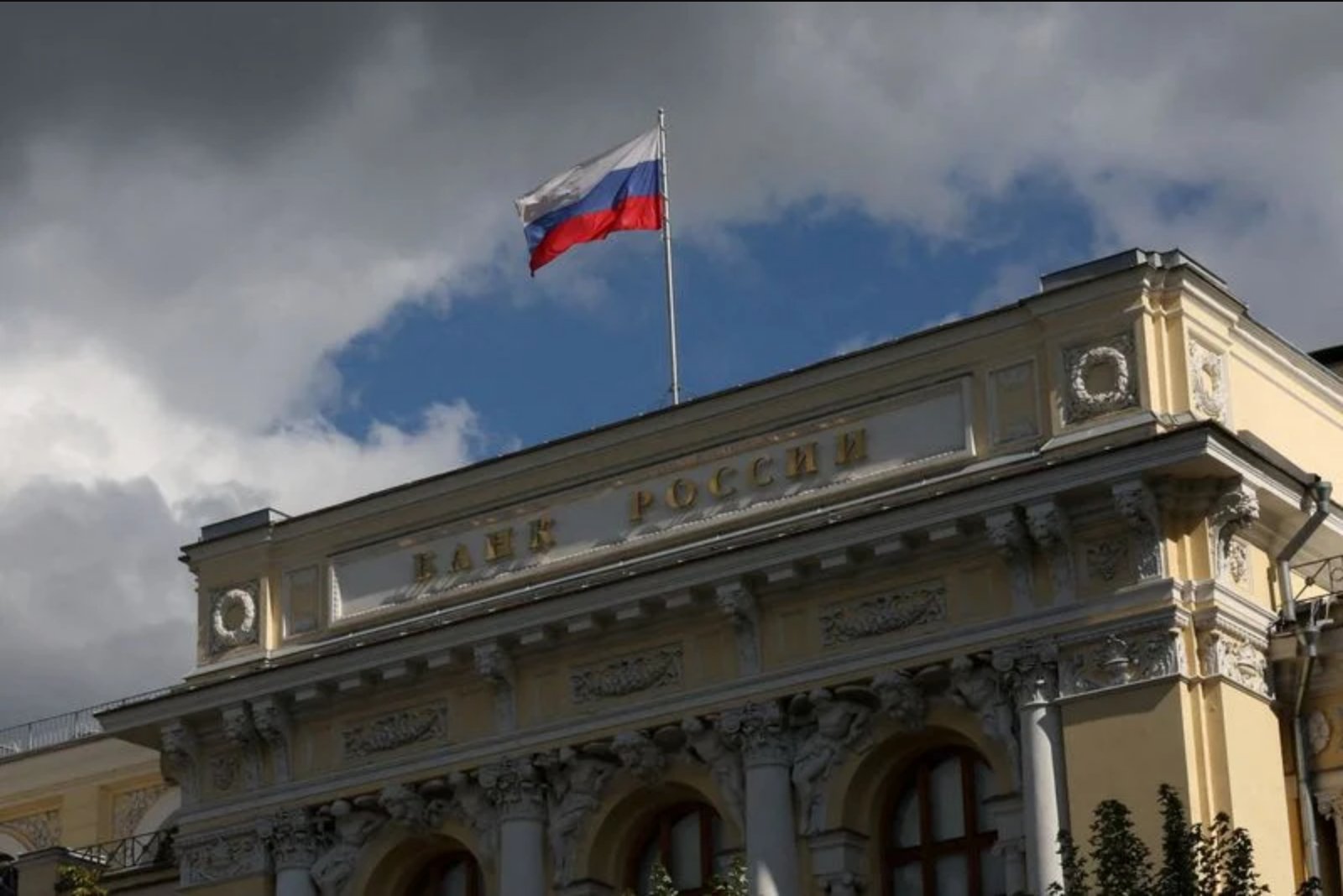
The Bank of Russia reduced its benchmark interest rate by 25 basis points on Friday to 14.25%, opting for a smaller easing move than the 50 basis points many analysts had forecast. The central bank pointed to heightened risks from both a softer fiscal stance and a decline in fuel output when explaining its decision.
Officials singled out the impact of recent drone strikes on energy and transport infrastructure as a key factor pressuring domestic fuel supplies and prices. Those attacks, which targeted refineries and related facilities, have forced disruptions to gasoline availability in some regions and prompted higher pump prices.
In a direct acknowledgement of the economic effect, the central bank said: "Pro-inflationary risks have increased due to a temporary decline in motor fuel production," a statement the bank described as the first high-profile official confirmation of the scope of the attacks' impact on the economy.
Russia's statistics agency recorded a 1% rise in average petrol prices in the week to June 15, immediately before an attack that hit a Moscow refinery. Petrol prices have risen 5.7% so far this year, marginally outpacing the broader inflation rate of 5.3% for the same period.
Retail responses to the supply shock were swift in parts of the market. Some independent petrol-station chains that lack their own refining capacity lifted prices by as much as 20% after this week's attacks, a move that prompted the anti-monopoly regulator to seek explanations for their pricing decisions. The strikes have also prompted Russia to import fuel by sea to alleviate shortages.
The central bank noted existing mechanisms intended to keep pump prices stable, including an informal understanding with major oil producers not to raise retail prices faster than inflation. Still, disruptions to refining and distribution have exposed vulnerabilities in those arrangements.
Beyond the immediate energy-related pressures, the Bank of Russia highlighted concerns over fiscal policy. Economic growth has moderated sharply, the central bank noted, slowing to 1% last year from 4.9% in 2024, with an official growth forecast of 0.4% for the current year. The economy has been squeezed by high interest rates, Western sanctions and a strong rouble.
In the first five months of 2026 the budget ran a deficit equivalent to 2.6% of gross domestic product, wider than the annual target of 1.6%. The central bank attributed the larger shortfall to higher military expenditures, which have outweighed the budgetary benefits from stronger global oil prices.
The finance ministry has pushed back its timetable for reaching a primary budget balance - which excludes debt servicing costs - moving the target from 2027 to 2029. The central bank warned that this shift toward a more accommodative fiscal stance over the coming three years could slow the pace of policy easing that a slowing economy needs.
Bankers and business leaders who had been hoping for a larger reduction will likely be disappointed by the smaller cut. Some in the private sector have argued that a key rate closer to 12% is necessary to rekindle investment and have criticized what they view as a tight monetary framework that risks trapping the economy.
Commenting on the decision, Natalia Orlova, chief economist at Alfa Bank, said: "The good news is that the rate cuts are continuing. The bad news is that the size of the cut has become smaller, reflecting growing pro-inflationary risks in the economy."
The Bank of Russia reiterated that it will weigh evolving risks from both fiscal policy and the energy sector when deciding the future path of rates. For now, the combination of disrupted fuel production, rising petrol prices and a loosened fiscal stance has prompted a more cautious approach to monetary easing than some market participants had expected.