
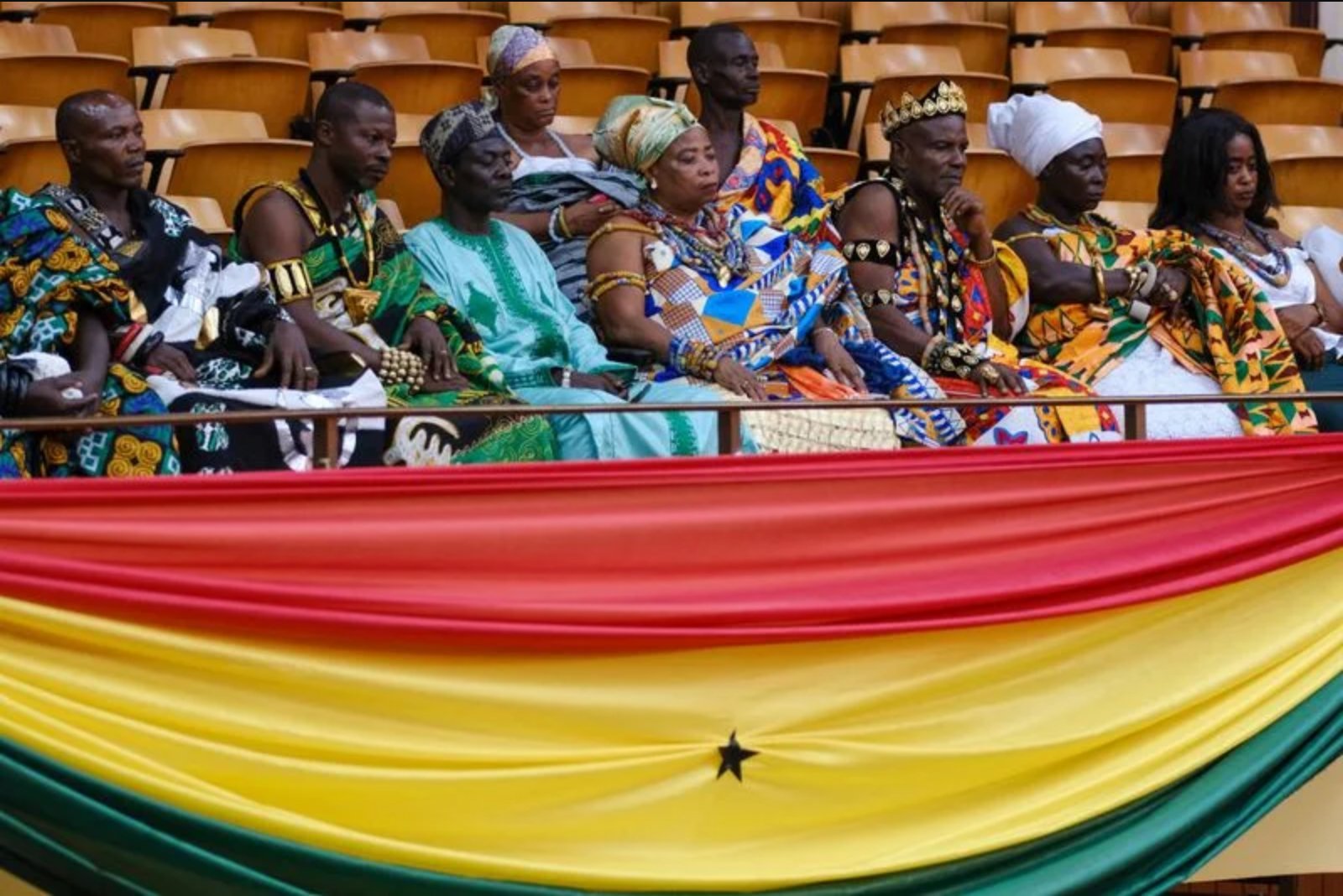
Lawmakers representing a broad swath of African nations left an Accra conference with a pledge to pursue tougher restrictions on LGBT rights, participants said, approving a formal charter and urging action at home to convert the event's resolutions into concrete laws and budgets.
The African Inter-Parliamentary Conference on Family Values and Sovereignty convened in Ghana's capital from June 3 to June 6, coming a week after Ghana’s parliament approved one of the continent’s strictest measures that criminalises LGBT promotion. Attendees described the meeting as part of a wider movement in some parts of Africa toward more restrictive legal frameworks for LGBT people, a trend they said has been encouraged by conservative figures in the United States and Europe and that has gained momentum since Donald Trump returned to the U.S. presidency.
Speakers and delegates at the conference urged lawmakers to carry the momentum back to their national legislatures. In opening remarks, Ghana Parliament Speaker Alban Bagbin called on participants to ensure that conference resolutions did not "gather dust in the archives" but were translated into "active bills, robust budgetary allocations, and rigorous oversight." He added: "Go home and tell your people that their representatives have resolved to protect the sanctuaries of their homes, the heritage of their ancestors, and the sovereignty of their nations."
Organisers reported participation from lawmakers representing 20 countries. It remains unclear how many of those attendees intend to put the conference discussions into legislative proposals in their home capitals. Five participants were interviewed and more than 100 pages of presentations distributed at the event were reviewed; those materials did not establish a definitive role for foreign activists in shaping the conference agenda, nor did they reveal evidence of foreign funding for the event.
Among the invited speakers was Henk Jan van Schothorst, identified as the Dutch executive director of Christian Council International. He argued that African governments should resist international pressure to ban so-called conversion therapy and described moves to prohibit the practice in Europe and elsewhere as a form of "ideological colonisation". Another presenter, Kenyan doctor Wahome Ngare, used stark language to define homosexual and transgender identities, asserting that homosexual is "the young man sexually molested by the father" and transgender is "the young lady sexually molested by strangers."
Conference delegates concluded by approving an "African Charter on Family, Sovereignty and Values," a 32-page document that organisers said had been drafted at earlier meetings in Uganda. The charter urges signatory governments to consider withdrawing from treaties or agreements - including at the United Nations and in dealings with foreign donors - that are perceived to promote "the LGBT agenda," abortion, or any sex education not based on abstinence.
The document further calls on signatories to work toward national laws that "safeguard African culture and cultural values." Delegates from 18 of the 20 represented countries voted to approve the charter, according to organisers.
Speakers and attendees at the conference framed their effort as defending family and cultural norms. Some participants directly linked new opportunities to the shifting posture of the U.S. administration on social issues, arguing that a different approach to foreign policy on LGBT rights under the current U.S. presidency creates more room for their agendas abroad. At the conference, Ugandan former lawmaker Sarah Opendi expressed gratitude to U.S. voters, saying: "Let us first thank the American people for voting for President Trump. The conversation in America today is different."
Not all invited foreign activists attended. Sharon Slater, president of the U.S.-based conservative organisation Family Watch International, who has participated in previous editions of the conference held in Uganda, said she had been invited this year but chose not to attend.
More than half of Africa’s 54 countries already criminalise same-sex sexual acts. In recent months several countries, including Uganda and Senegal, have taken further steps by adopting laws that outlaw LGBT "promotion" - a category similar to the measure Ghana’s lawmakers approved in late May.
Health authorities have voiced concern about the public health consequences of laws that stigmatise or criminalise LGBT people. Officials warn such legislation can drive LGBT individuals into hiding, complicating efforts to diagnose and treat illnesses including HIV. Reports from April indicated that fewer people living with HIV were visiting treatment centres in Senegal amid a wave of arrests coinciding with parliamentary debate over that country’s new law.
In Ghana the debate has already affected daily life for LGBT people. An African photographer and long-term resident of Accra described constant self-censorship and vigilance, saying: "I constantly self-censor, hide, watch my back. That’s not safety, that’s survival." The photographer added that leaving Ghana has crossed their mind, a prospect they said "breaks my heart because Ghana is my home."
Earlier reporting found that U.S. pro-family group MassResistance had communicated with activists in Ghana who supported the bill, and had also engaged with groups backing Senegal’s new legislation. The Ghanaian measure now awaits action by President John Dramani Mahama. He has in the past said he would sign such legislation, but recently cited procedural issues in relation to the current bill.
A coalition comprising more than 100 African civil society organisations has urged President Mahama to reject the law, warning that the government risks allowing "external actors with resources and reach to shape its domestic legislation."
The U.S. State Department has framed the current administration's approach to foreign assistance as one that avoids spending taxpayer dollars on what it terms "divisive social and gender issues." Conference participants who view that stance favourably say it creates a diplomatic environment more receptive to their positions.
The Accra gathering, its approved charter, and the public pronouncements made there signal a coordinated effort by some parliamentarians and activists to translate rhetoric about family values and cultural sovereignty into statutory measures at the national level. How many countries will follow with concrete legislative proposals remains unclear, as does the extent to which external networks and organisations will influence domestic lawmaking processes.