
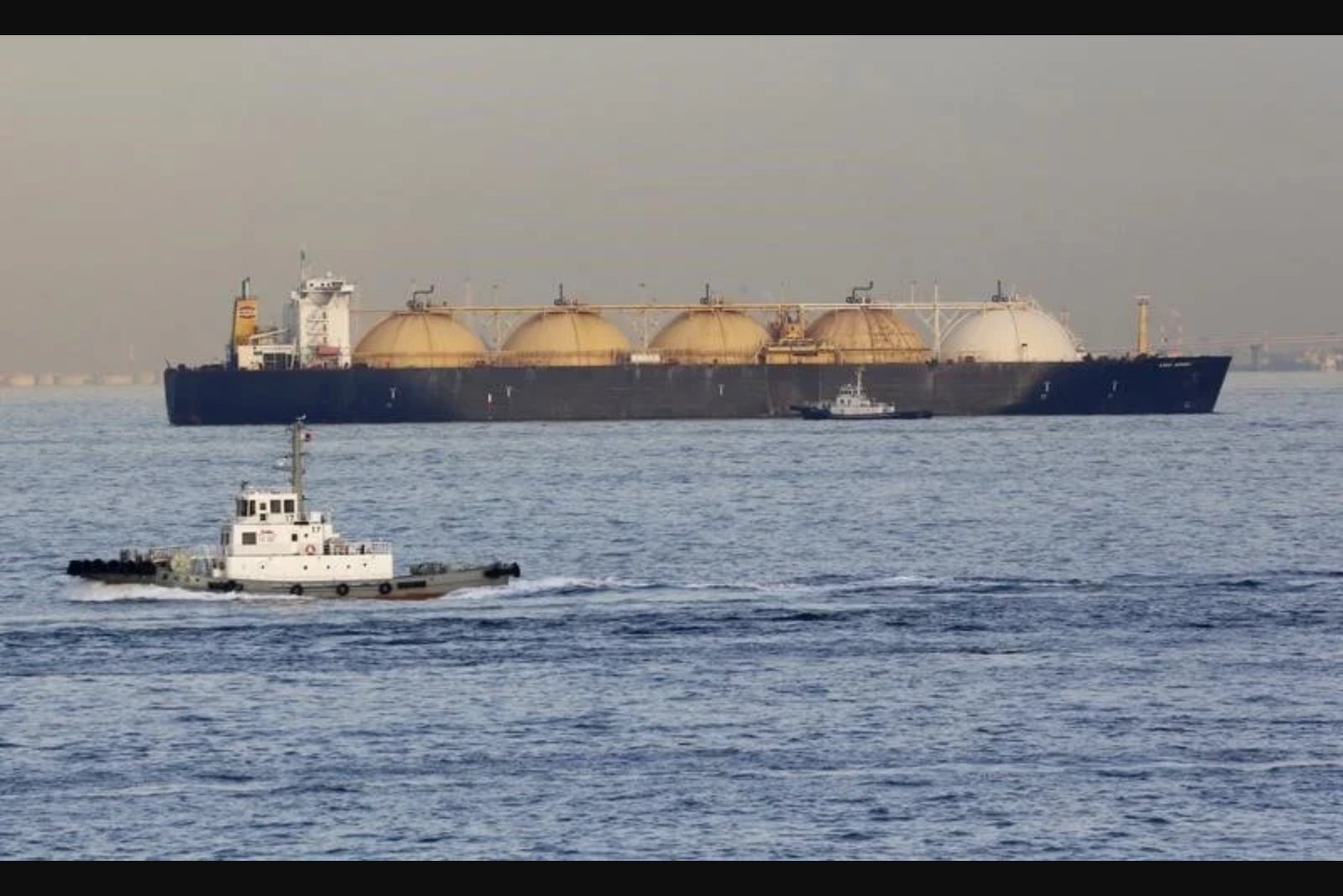
European natural gas contracts recovered on Friday, halting a six-day slide as fresh geopolitical uncertainty revived volatility across energy markets.
The front-month Dutch TTF gas contract - the Eurozone benchmark - rose 3.4% to 41.9 euro per megawatt-hour, while the British equivalent gained 3.8% to 100.38 pence per therm. The uptick represents an effort to regain lost ground after prices touched near two-month lows on Thursday.
Market sentiment shifted after news that U.S. Vice President JD Vance withdrew from a planned trip to Switzerland, where he had been scheduled to begin implementation talks on the 14-point Washington-Tehran peace accord. That diplomatic setback, together with an uptick in Israeli airstrikes in Lebanon, prompted investors to pull back from risk assets and reintroduce a geopolitical risk premium to energy prices.
Earlier in the week, the geopolitical pressure on European energy markets had been easing rapidly, a trend that pushed natural gas toward its worst weekly performance since mid-April as traders aggressively unwound the war-risk premium. Even with this recent rebound, prices remain close to multi-month lows and have not returned to pre-war baselines.
Market participants continue to view the sustainability of any deal with deep skepticism, noting that Donald Trump has explicitly threatened to shred the accord at the first sign of Iranian non-compliance. That stated stance appears to be a factor in why the market is reluctant to fully erase the war-related premium despite lower price levels.
Market context
- Front-month Dutch TTF rose 3.4% to 41.9 euro per megawatt-hour.
- British gas climbed 3.8% to 100.38 pence per therm.
- Prices had touched near two-month lows on Thursday before Friday's rebound.
The combination of a cancelled diplomatic mission and regional military activity tightened risk assessments across energy trading desks, reversing some of the recent pressure that had driven prices down earlier in the week.
Implications
While Friday's gains represent a clear pullback from a sustained losing streak, the market's guarded stance indicates that traders remain attentive to developments in the Middle East and to the progress - or collapse - of any diplomatic framework for U.S.-Iran relations.