
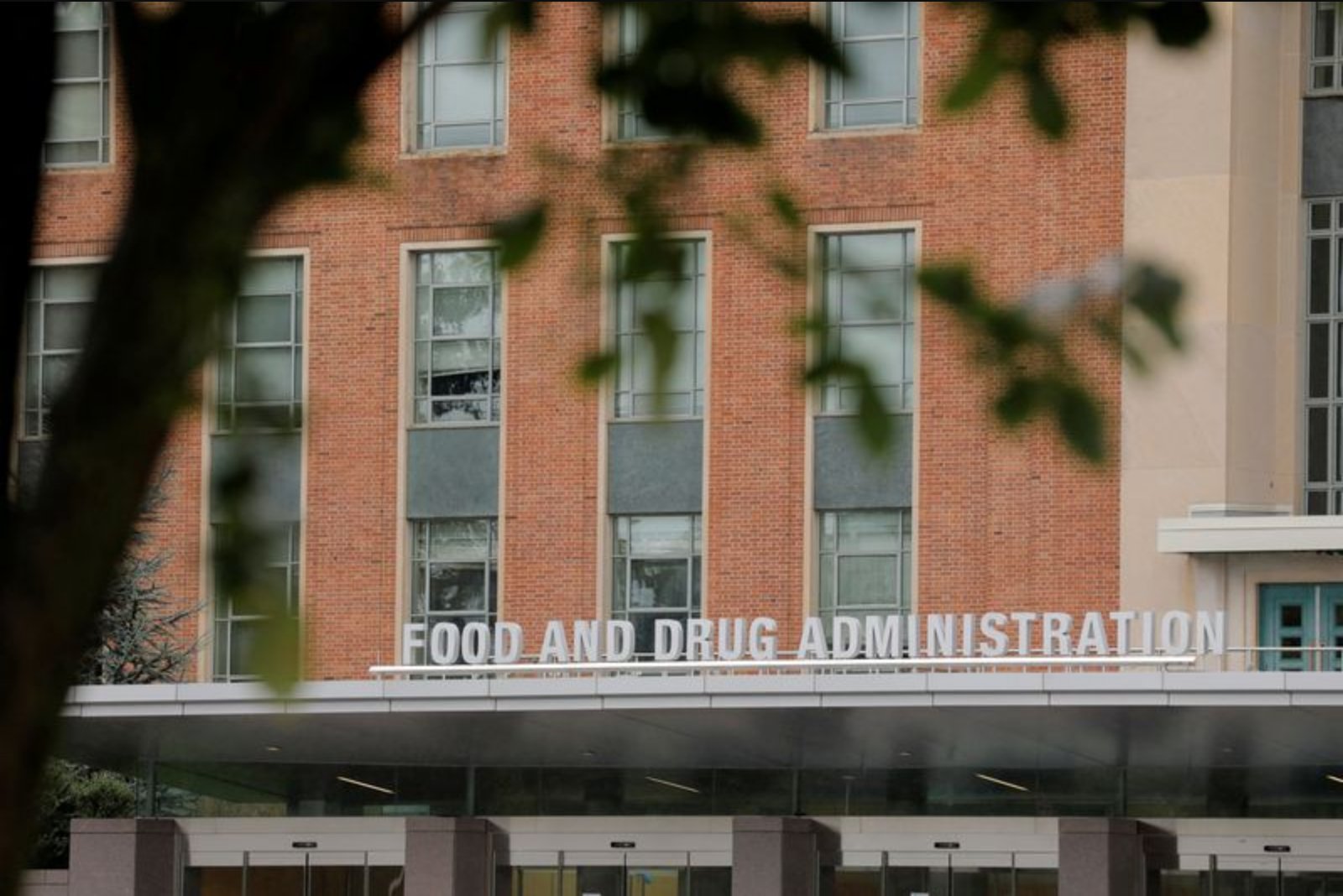
The U.S. Food and Drug Administration on Monday unveiled a pilot program designed to let regulators monitor clinical trial data as it is generated, a step the agency says could reduce years from the typical drug approval timeline and bolster U.S. competitiveness.
FDA Commissioner Marty Makary described the initiative as an effort to remove what he called "dead time" from drug development. According to Makary, administrative tasks and paperwork account for 45% of the time from early testing to submission for an approval decision.
Under the pilot, the FDA will gain access to aggregated signals from Phase 1 trials - such as rates of adverse side effects or percentages of tumor response - without requiring sponsors to first perform full internal analyses and to prepare detailed submissions. The agency said it is not seeking raw patient records, a distinction FDA Chief AI Officer Jeremy Walsh emphasized when outlining the program.
Walsh said individual patient records will remain under the control of the trial sponsor, a design choice the agency said mitigates patient privacy concerns while still allowing regulators to detect safety or efficacy signals in near real time.
The FDA said it has already received and validated safety data from a midstage trial conducted by AstraZeneca through health technology firm Paradigm Health. That study tested a drug for mantle cell lymphoma in patients who had not received prior treatment. In addition, a second pilot involving Amgen is under way: the company is conducting an early-stage trial in patients with limited-stage small cell lung carcinoma, a form of lung cancer confined to the chest. Site selection for the Amgen study is still ongoing.
The agency also noted that some drugmakers are using artificial intelligence to accelerate preparation of regulatory documents. Johnson & Johnson and other companies have said they began employing AI to streamline document preparation, reducing a process that previously took hundreds of hours to about 15 minutes.
To inform plans for expanding the pilot this summer, the FDA published a request for information and invited input from industry and the public. The agency will accept comments until May 29, and it expects to set final selection criteria in July, with pilot selections completed in August.
Makary linked the pilot to intensifying global competition in clinical research, saying China surpassed the United States in the number of Phase 1 trials conducted around 2021 and characterizing subsequent growth as exponential. The FDA presented the program as one mechanism to accelerate regulatory review and keep the U.S. competitive in early-stage drug development.
Implications for markets and industry:
- Pharmaceutical and biotechnology firms could see shorter timelines from early testing to regulatory review if the pilot proves effective.
- Regulatory processes may shift toward continuous oversight of aggregated trial signals rather than episodic review of completed sponsor submissions.
- Health technology firms that enable data aggregation and transmission may play an increasing role in trial design and regulatory interactions.