
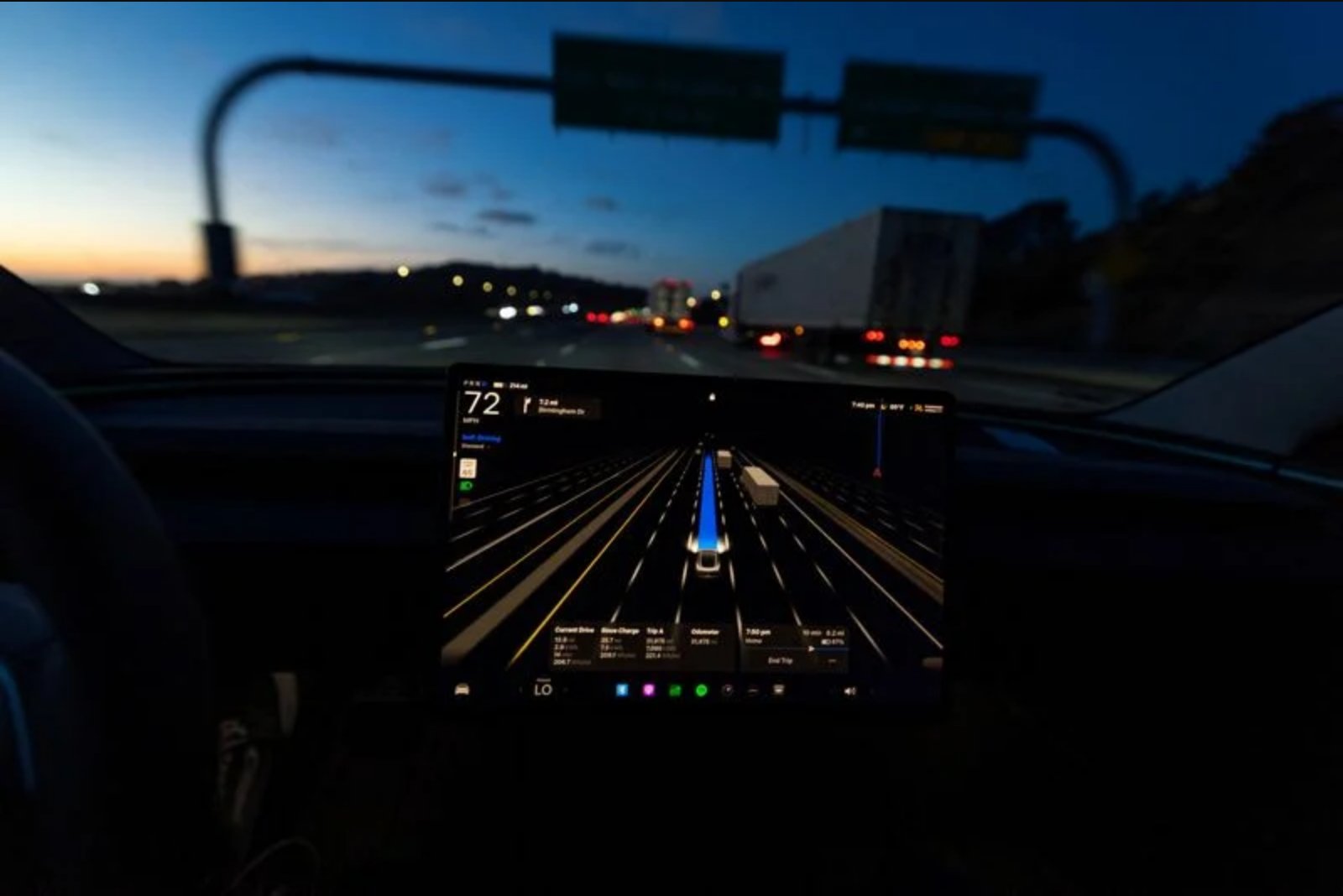
Two Democratic members of the U.S. Senate have formally asked the National Highway Traffic Safety Administration (NHTSA) to scrutinize the crash statistics Tesla posts for its Full Self-Driving (FSD) system, citing concerns raised by an independent news investigation.
Senators Edward Markey of Massachusetts and Richard Blumenthal of Connecticut sent a letter to NHTSA on Monday, pointing to a Reuters examination published last month. The senators described the calculations behind Tesla's FSD safety claims as "weak and misleading" and warned that the discrepancies create "an urgent safety problem."
In the letter, the senators requested that NHTSA reply by July 7 to a series of questions, including whether the agency has assessed Tesla's public statements about FSD safety and whether it has requested the underlying crash data Tesla used to produce those statistics. The letter also called on NHTSA to bolster reporting requirements for companies that deploy self-driving technology or advanced driver-assistance systems such as FSD, saying the agency currently lacks a mechanism to verify whether "public safety claims bear any relationship to reality."
Tesla and NHTSA did not respond to requests for comment.
The Reuters review concluded that Tesla executives, including the company CEO, have increasingly cited data over the past year asserting that FSD-equipped vehicles are as much as 10 times safer than human drivers. Researchers interviewed for that review told Reuters that Tesla's presentation of safety performance is overstated because the company compares a narrowly defined crash rate - crashes in which FSD-piloted Teslas experienced airbag deployments - to a broad U.S. crash rate that encompasses many less severe incidents.
The company also compares its vehicles to the average U.S. vehicle, which tends to be older than the typical Tesla on the road. According to the analysis cited by the senators, that comparison can skew results because newer cars increasingly incorporate safety features that reduce crash frequency and severity. The Reuters reporting further stated that Tesla has used the elevated safety figures in communications with European regulators as it seeks approval for FSD in the EU.
The senators' letter requests detailed information from NHTSA about whether the agency has evaluated the methodology behind Tesla's claims and whether regulators have sought the raw crash data supporting Tesla's published rates. It also presses the agency to consider stronger disclosure or reporting standards for companies offering advanced driver-assistance systems or autonomous driving features.
Context and next steps
The request from Senators Markey and Blumenthal sets a clear deadline for NHTSA to respond and signals congressional scrutiny of how automakers describe the real-world safety performance of automated driving systems. The letter seeks to establish whether existing oversight is sufficient to ensure that public safety claims are based on transparent, comparable data.