
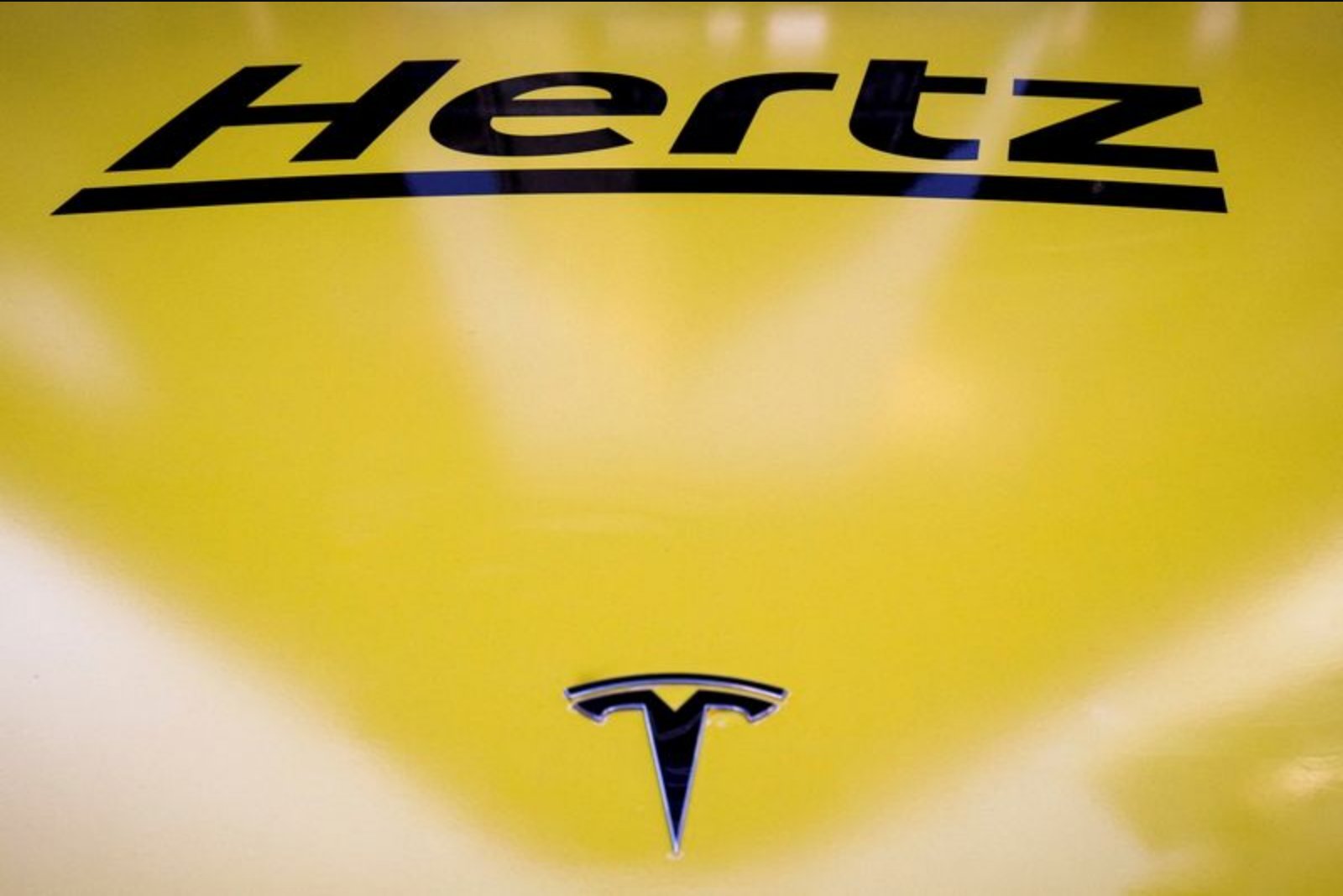
Early indicators suggest a growing short-term pivot to electric vehicles among U.S. car renters as consumers respond to a sharp rise in gasoline prices tied to conflict in the Middle East.
Hertz, which supplies cars under longer-term arrangements to drivers for services such as Uber and Lyft, reported that requests for electric-vehicle reservations rose almost 25% in March compared with February. Doria Holbrook, executive vice president of Hertz’s mobility division, said the strongest surge in demand showed up on the West Coast, where retail fuel prices are typically higher.
Peer-to-peer rental platform Turo also documented increased EV activity. The company said EV bookings climbed 11% during the last three weeks of March compared with the preceding three-week stretch. Turo added that on March 31, when U.S. average gasoline prices topped $4 per gallon for the first time since 2022, EV bookings on its platform were 47% higher than on the same day in 2025.
The price shocks at the pump have been linked in reporting to disruptions in the Strait of Hormuz along the Iranian coast, the channel through which about 20% of the world’s oil and liquefied natural gas transits. According to the U.S. Energy Information Administration, average gasoline prices in the United States have risen by more than a third since the conflict began on February 28, reaching $4.02 per gallon.
Analysts and dealers note that spikes in fuel costs do not usually trigger an immediate, large-scale change in car-buying behavior. Still, the magnitude of this recent increase appears to be prompting some consumers to explore alternatives. Europe provides a contrast: registrations of EVs across 15 countries surged by more than 50% in March.
By contrast, the effect on U.S. new-car EV sales has been more muted. Cox Automotive data cited in reporting showed new EV sales in the United States were down 25% in March from a year earlier. That decline was linked in reporting to the expiration of a $7,500 tax credit last autumn, which has weighed on purchase demand for electric vehicles.
Despite weaker new-EV demand, used EVs have seen stronger interest. Dealers and rental companies are increasingly active in the used market, and the renter cohort appears more willing to adopt electrics in the short term as a fuel-cost hedge. Car Rental Gateway, a digital rental platform, reported a 16% relative increase in bookings for EVs and hybrids in March.
Hannes Põldvee, a board member at Car Rental Gateway, said rental firms that commit heavily to electric-car fleets could gain an advantage if elevated gasoline prices persist.
Changes in demand have also supported the pricing of used electric vehicles. John Coles, vice president of data science and analytics at ACV Auctions, stated that while EV prices had been declining for months, they firmed after the rise in oil prices beginning in early March. "We have seen EVs get a second lease on life due to the sustained pressure at the pump," Coles said.
The observable shifts are concentrated in rental and short-term mobility channels so far, with used-vehicle markets responding more quickly than new-car purchases. How durable these patterns will be depends on fuel-price trajectories and policy factors, both of which were noted as influences in the reporting that supplied these data points.