
Stock Markets April 28, 2026 07:08 PM

U.S. and Regional Partners Back Panama’s Sovereignty Amid Dispute Over Port Concessions

Joint statement criticizes China’s actions toward Panama-flagged vessels as interference in hemispheric maritime trade

By Jordan Park
U.S. and Regional Partners Back Panama’s Sovereignty Amid Dispute Over Port Concessions

On April 28, the United States together with Bolivia, Costa Rica, Guyana, Paraguay, and Trinidad and Tobago issued a joint statement affirming Panama's sovereignty and warning against what they described as targeted economic pressure from China. The statement followed Panama’s Supreme Court decision to nullify the legal framework underpinning CK Hutchison’s 1997 concession to operate the Balboa and Cristobal terminals, and a subsequent rise in detentions and inspections of Panama-flagged ships in China. CK Hutchison has rejected the court’s decision and initiated international arbitration seeking over $2 billion in damages.

Key Points

  • The United States, alongside Bolivia, Costa Rica, Guyana, Paraguay, and Trinidad and Tobago, issued a joint statement on April 28 supporting Panama’s sovereignty and flagging concerns about Chinese actions toward Panama-flagged vessels.
  • Panama’s Supreme Court invalidated the legal framework for CK Hutchison’s 1997 concession to operate the Balboa and Cristobal terminals; CK Hutchison has rejected the ruling and initiated international arbitration seeking more than $2 billion in damages.
  • There has been an increase in detentions and inspections of Panama-flagged ships in China after the court decision, raising concerns about politicization of maritime trade and pressure on port operations and shipping activity.

April 28 - A coalition led by the United States and joined by Bolivia, Costa Rica, Guyana, Paraguay, and Trinidad and Tobago issued a public declaration on Tuesday supporting Panama's sovereignty and raising concern over recent actions attributed to China.

The statement said the signatories were "monitoring with vigilance China’s targeted economic pressure and the recent actions that have affected Panama-flagged vessels." It added that "Panama is a pillar of our maritime trading system, and as such must remain free from any undue external pressure."

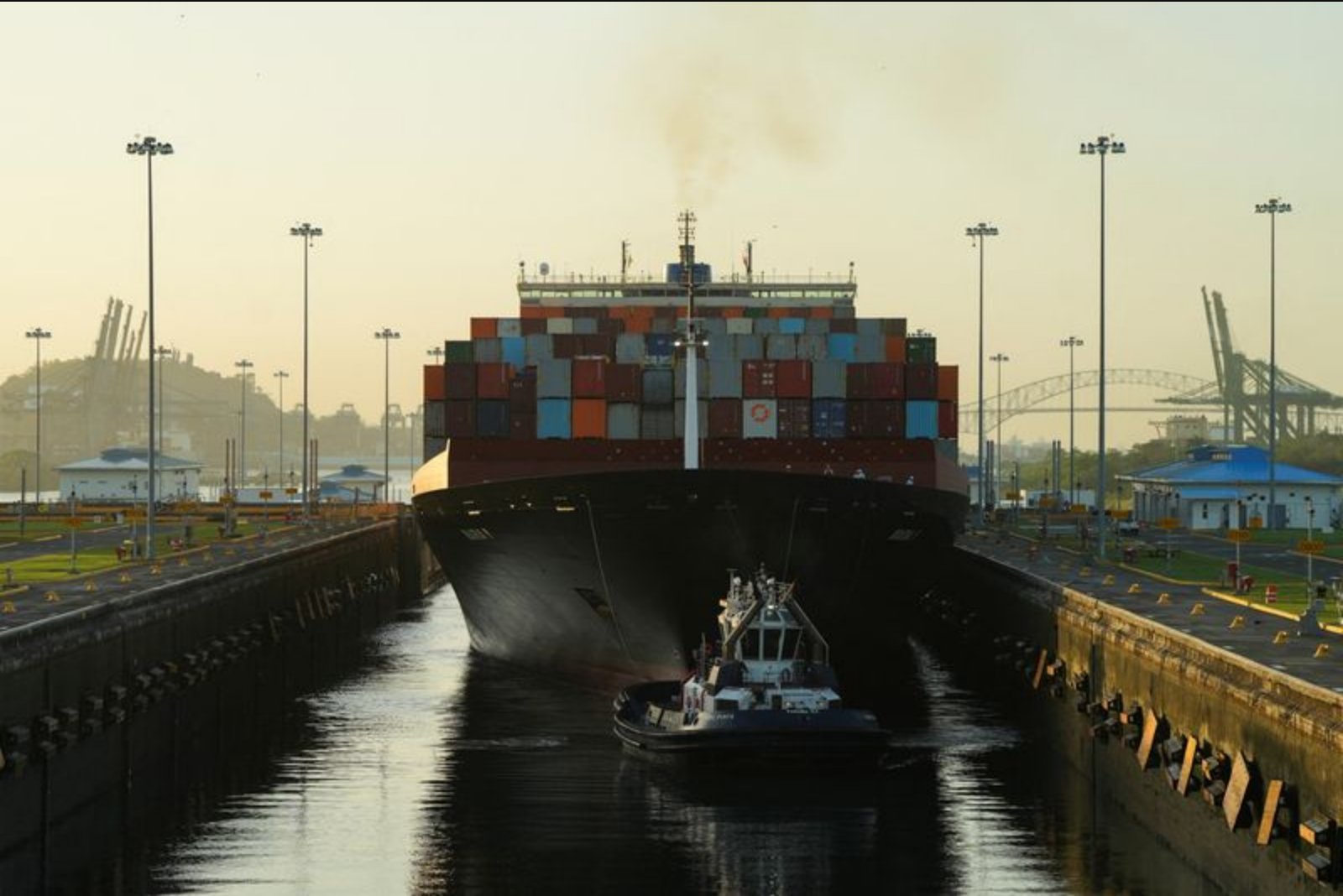
The diplomatic expression of support comes after a January ruling by Panama's Supreme Court that nullified the legal framework for the 1997 concession allowing CK Hutchison’s Panama Ports Company to operate the Balboa and Cristobal terminals on the Pacific and Atlantic entrances to the Panama Canal. The concession had granted CK Hutchison the right to operate those key terminals for nearly three decades.

CK Hutchison has publicly rejected that judicial decision, characterizing the action as an unlawful seizure of property by Panamanian authorities. The company has launched an international arbitration proceeding against Panama, seeking damages in excess of $2 billion.

Following the court ruling, there was an observable increase in detentions and inspections of vessels flying the Panamanian flag in China. The joint statement by the United States and its partners framed those incidents as part of an effort to politicize maritime trade and to apply economic pressure on Panama.

The Panama Canal plays a significant role in global shipping flows; the parties to the statement noted that Panama remains central to the maritime trading system and must be protected from undue external influence. The document did not propose specific measures beyond the expression of vigilance and support for Panama's sovereign rights.


Contextual note - The information in this report is limited to the events and claims presented in the official statements and the reported court ruling and company response. No additional actions or responses beyond those described have been verified here.

Risks

  • Escalation of port and shipping tensions could disrupt port operations and maritime trade flows - sectors directly affected include shipping, port operations, and global logistics.
  • Ongoing international arbitration and disputed control of terminal operations create legal and commercial uncertainty for terminal operators, shipping lines, and insurers - impacting ports, terminal services, and maritime insurers.
  • Reciprocal or politically motivated inspections and detentions of Panama-flagged vessels could increase compliance costs and delays for global shippers that rely on transits through the Panama Canal - affecting global trade and logistics chains.

More from Stock Markets

Wall Street Futures Tick Higher as Markets Brace for Big Tech Results and Fed Guidance Apr 28, 2026 Pershing Square Secures $5 Billion for New U.S. Closed-End Fund Apr 28, 2026 Pershing Square Secures Roughly $5 Billion in Combined U.S. IPO and Placement Apr 28, 2026 Pershing Square Prices Dual IPO for Pershing Square USA and Pershing Square Inc. Apr 28, 2026 Brazil’s CADE Opens Probe into Possible Fare Coordination by LATAM and Gol Apr 28, 2026