
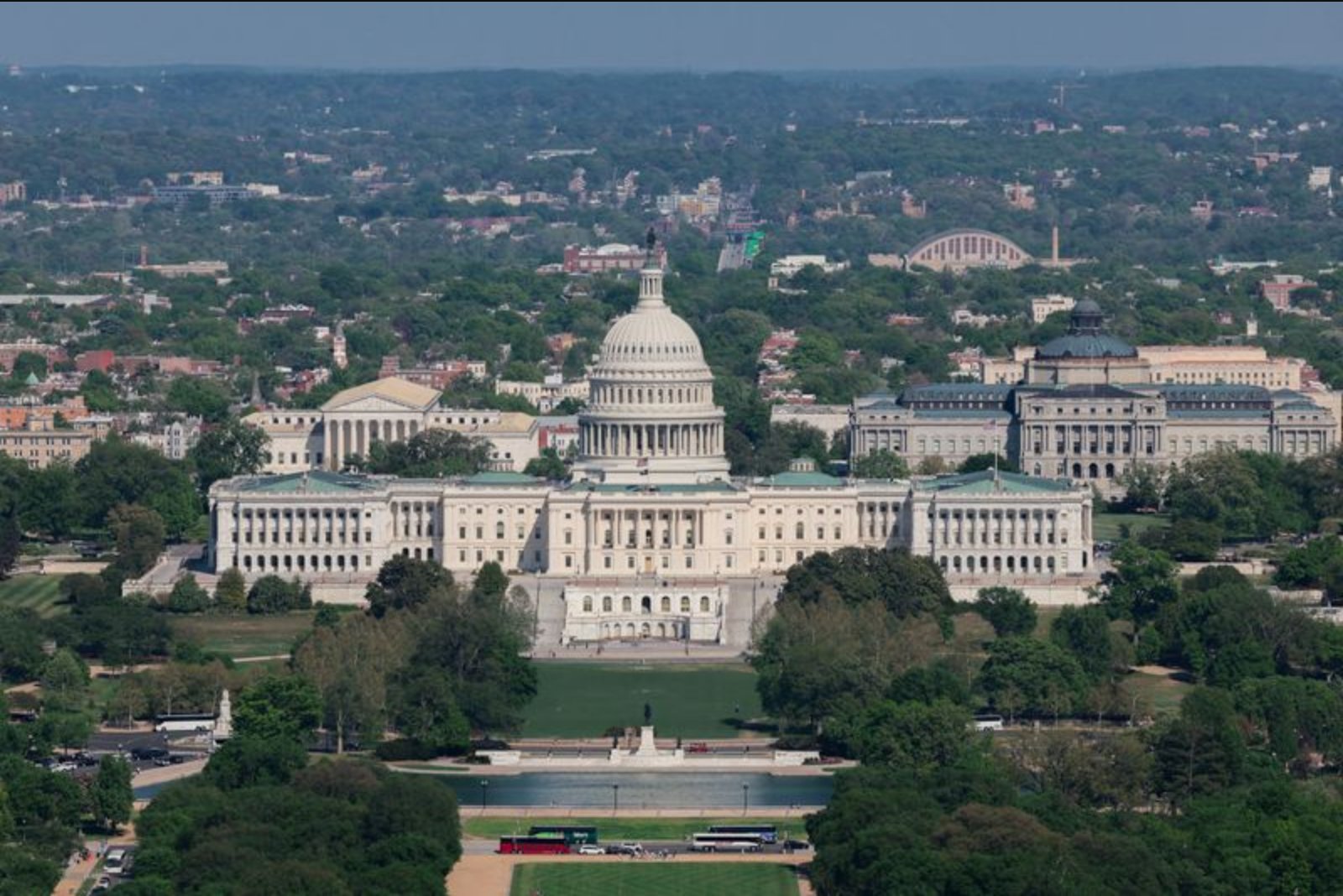
The U.S. Senate on April 28 voted to block a Democratic-sponsored resolution that sought to prevent President Donald Trump from undertaking military action against Cuba without first obtaining approval from Congress.
A procedural motion carried 51 to 47, effectively stopping the war powers resolution before it could be debated on the Senate floor. The outcome fell almost entirely along party lines, with Republicans opposing the measure and most Democrats in favor.
Senator Rick Scott of Florida introduced the point of order that halted the resolution, arguing that a war powers vote was not appropriate because, in his view, the United States has not deployed troops to Cuba. Republicans maintained that there are no active U.S. hostilities directed at the island that would trigger the need for congressional authorization.
Among the resolution's sponsors, Senator Tim Kaine of Virginia pressed a contrasting view on the Senate floor. Kaine contended that U.S. attempts to block fuel shipments bound for the Communist-ruled island amount to military action. In remarks before the vote he said: "If anyone were doing to the United States what we are doing to Cuba, we would definitely regard it as an act of war."
The vote came amid a broader pattern of unilateral actions by the administration that Democrats say have proceeded without congressional sign-off. The record of operations cited by opponents of the administration includes strikes on boats off Venezuela, an operation that entered Caracas to seize President Nicolas Maduro, and, together with Israel, military action against Iran since February 28 - all, according to Democrats, carried out without authorization from Congress.
President Trump has declared publicly that "Cuba is next," without specifying the precise measures he plans to take. He has frequently stated his belief that Cuba's government is nearing collapse. Democrats have repeatedly tried in both chambers of Congress to force the administration to seek formal authorization for military operations, but those attempts have been rejected by Republicans in the Senate and the House.
Republicans, who hold narrow majorities in both chambers, have largely opposed efforts to constrain the president through the War Powers Resolution, accusing Democrats of leveraging the measure for political purposes to weaken the administration's authority. The White House maintains that the president's actions fall within his constitutional rights and obligations as commander-in-chief to protect the United States.
Constitutional and legal lines remain a point of contention: while the Constitution assigns the power to declare war to Congress, that allocation has long been interpreted to allow for short-term military operations and actions that respond to immediate threats without prior congressional approval. The Senate vote on April 28 leaves unresolved the broader institutional debate about the boundary between presidential authority and congressional war powers.
Summary
The Senate's procedural vote prevented consideration of a resolution that would have required the president to obtain congressional approval before taking military action against Cuba. The debate highlighted sharply divergent views on whether measures short of troop deployments - such as efforts to stop fuel shipments - constitute military action and whether the president has authority to act without prior congressional authorization.