
Summary
President Donald Trump said he would "remember" companies that do not file for refunds of tariffs the Supreme Court deemed beyond his authority, praising media reports that some large firms had yet to pursue reimbursement. The remarks arrived as U.S. Customs and Border Protection (CBP) started accepting electronic refund claims through a portal created after a court ruling ordered the agency to process up to $166 billion in refunds.
Trump's remarks and public reaction
In a live, on-air phone conversation with CNBC anchors, Trump said he was "pleased to hear" reports that Apple, Amazon and other major firms had not applied for tariff refunds. "It's brilliant if they don't do that," he said. He added that he would "remember" companies that refrain from seeking refunds, and framed the decision as consistent with his goal of "making this country strong." The remarks were delivered on the second day that CBP was accepting electronic refund applications.
At times during the interview, the president used strong language to describe those pursuing refunds. "In many cases, the enemy - the enemy - is getting this money," Trump said, apparently referring to companies seeking reimbursement. He continued: "The people that have hated the United States, we're giving them checks for billions of dollars. It's so sad to see." He did not identify specific companies or the countries of origin for the imported goods he referenced.
Legal and administrative developments
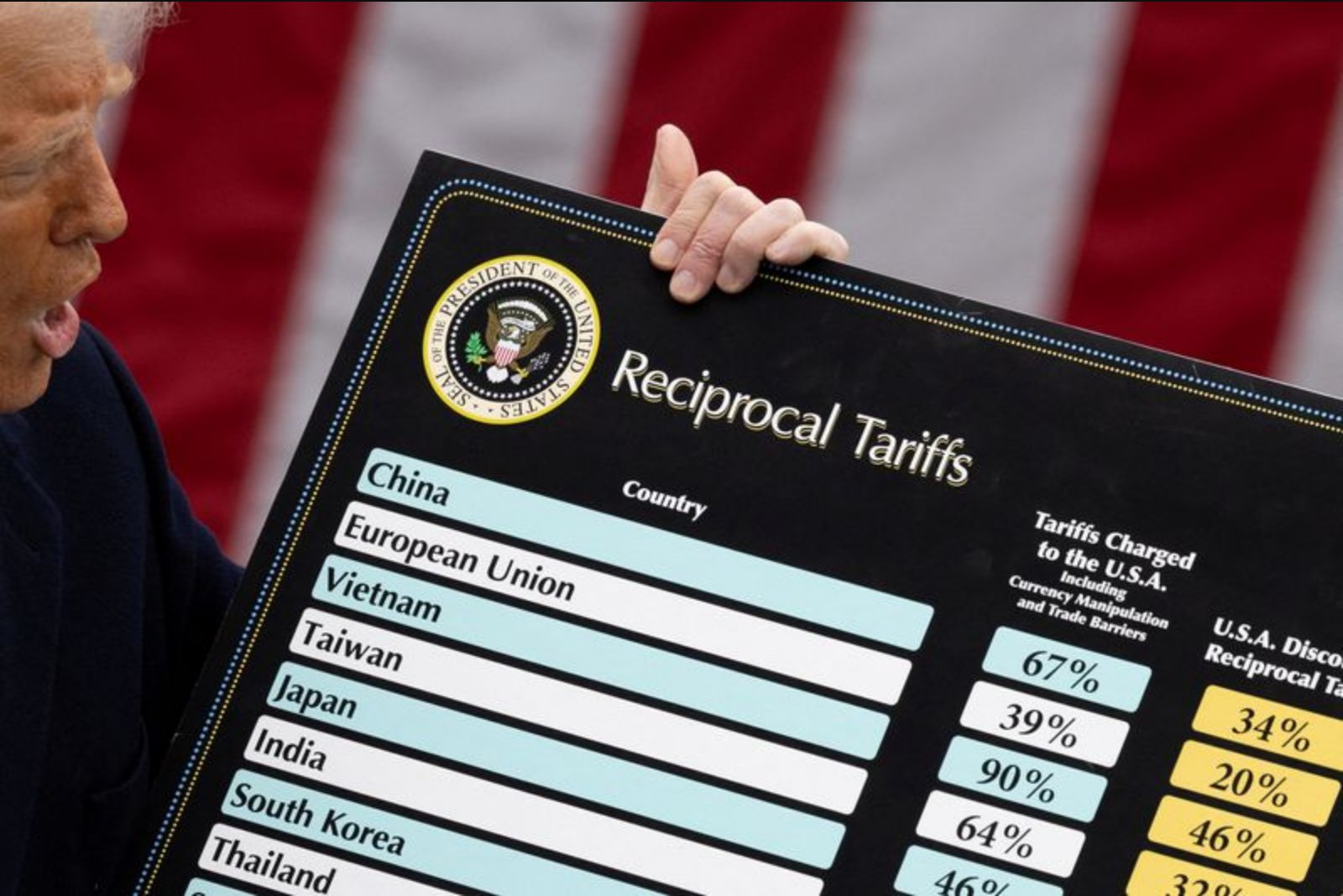
The need for a refund process followed a February Supreme Court decision that found the broad global tariffs Mr. Trump imposed last year exceeded his statutory authority under a 1977 law intended for national emergencies. That ruling prompted Judge Richard Eaton of the U.S. Court of International Trade to direct CBP to create a system to handle potential refunds totaling as much as $166 billion.
CBP launched the system, known as CAPE, on Monday. The rollout was described as beginning "mostly without serious glitches." On Tuesday, Judge Eaton issued a temporary stay of his earlier order and required CBP to deliver a progress report on phase one of the refund-processing system by April 28. It was not immediately clear how the temporary stay would affect the refund timeline.
CBP has not publicly answered requests for comment on the status of refund processing following Eaton's order.
Timing and procedural considerations
Officials had indicated that payments would not be made until 60 to 90 days after CBP accepts refund submissions. Eaton also gave the Trump administration until June 7 to file an appeal of his ruling that required refunds. Legal experts say an appeal could slow or halt the distribution of payments.
Matthew Seligman, a founding partner at Grayhawk Law who is advising corporate clients on tariff litigation and refund strategies, said he did not expect Eaton's temporary stay to alter CBP processing. Seligman suggested the stay may relate to a change in the case's lead plaintiff and described the stay as "an acknowledgment that CAPE launched yesterday."
Damon Pike, a customs specialist with BDO USA, said that if the administration appeals Eaton's decision, companies may be forced to file individual lawsuits to recover refunds, a step that would decelerate the overall process. "The Justice Department wants to make this as hard as possible," Pike said, adding that an appeal would likely stop refund processing.
Corporate responses
Several large firms have already taken legal steps to preserve or accelerate their ability to obtain refunds. Companies including Costco, FedEx and Mondelez have sued the U.S. government in order to secure their paths to reimbursement as promptly as possible. By contrast, other major retailers and platforms such as Walmart and Amazon have not filed lawsuits. Some legal observers interpret those decisions as attempts to avoid drawing the president's ire by publicly pursuing refunds.
Alternate tariff strategy and timeline
Trump also discussed alternative tariffs his administration is preparing under Section 301 of the Trade Act of 1974, a different legal route that requires investigations and public comment periods. He said these new tariffs could ultimately yield "bigger numbers" than the earlier tariffs that the court struck down, but acknowledged they would be more complex to administer. Those Section 301 tariffs are not expected to be imposed until July, according to the timeline discussed in the interview.
"So we're doing it a different way. We're going to end up with the same - actually, we'll end up with bigger numbers, actually - but it's a little more unwieldy. But it's the way it's been done," Trump said.
What remains uncertain
- How Eaton's temporary stay will influence the initial processing and timing of refunds under CAPE remains unclear.
- Whether the Justice Department will appeal Eaton's ruling by the June 7 deadline, and the effect such an appeal would have on refunds, are open questions.
- The extent to which companies' decisions to pursue or forgo refunds will affect their public standing or regulatory outcomes is uncertain.
As the legal and administrative processes play out, companies facing potential refunds and markets watching the implications for trade policy and corporate finances remain in a period of heightened uncertainty.